For anyone exploring plant-based alternatives or the rich flavors of global cuisine, a fundamental question often arises: what is coconut milk? This creamy, luscious liquid is more than just an ingredient; it’s a culinary cornerstone in many cultures and a versatile staple in modern kitchens.
It offers a unique combination of rich flavor and creamy texture, making it an essential component in everything from spicy curries to decadent desserts. This guide provides a comprehensive answer to “what is coconut milk,” exploring its origins, production, and nutritional profile.
Disclaimer: This information is for educational purposes only and does not replace professional medical or veterinary advice. Always consult a qualified professional before making decisions related to your health or your pet’s health.
Defining Coconut Milk: A Tropical Staple
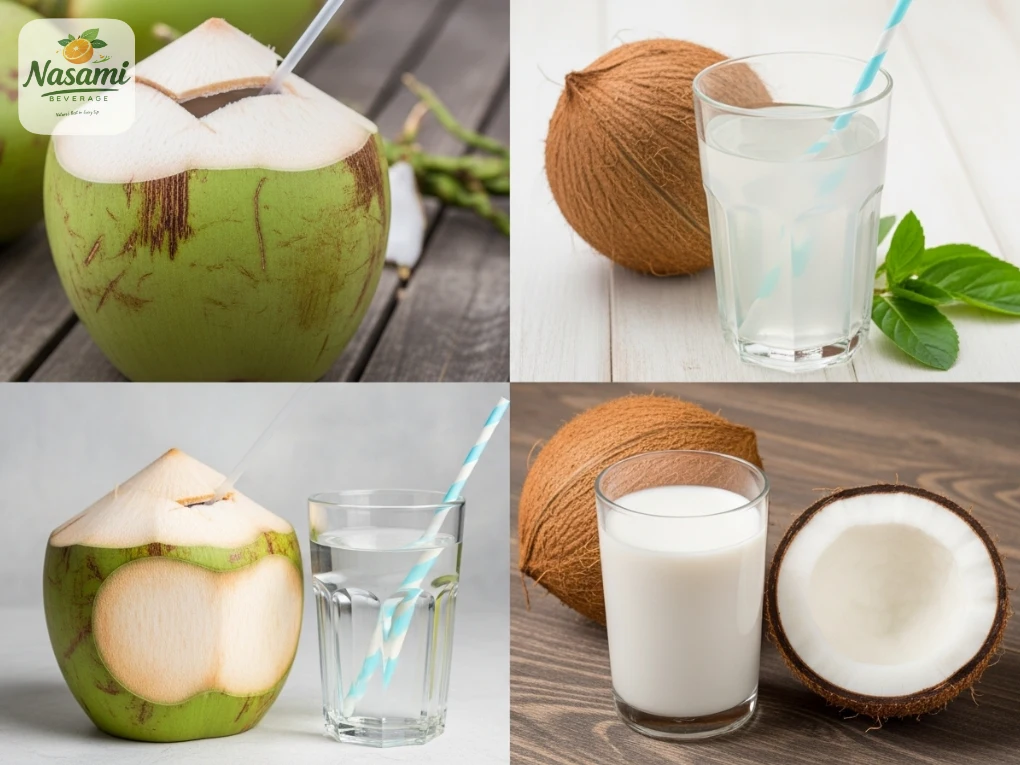
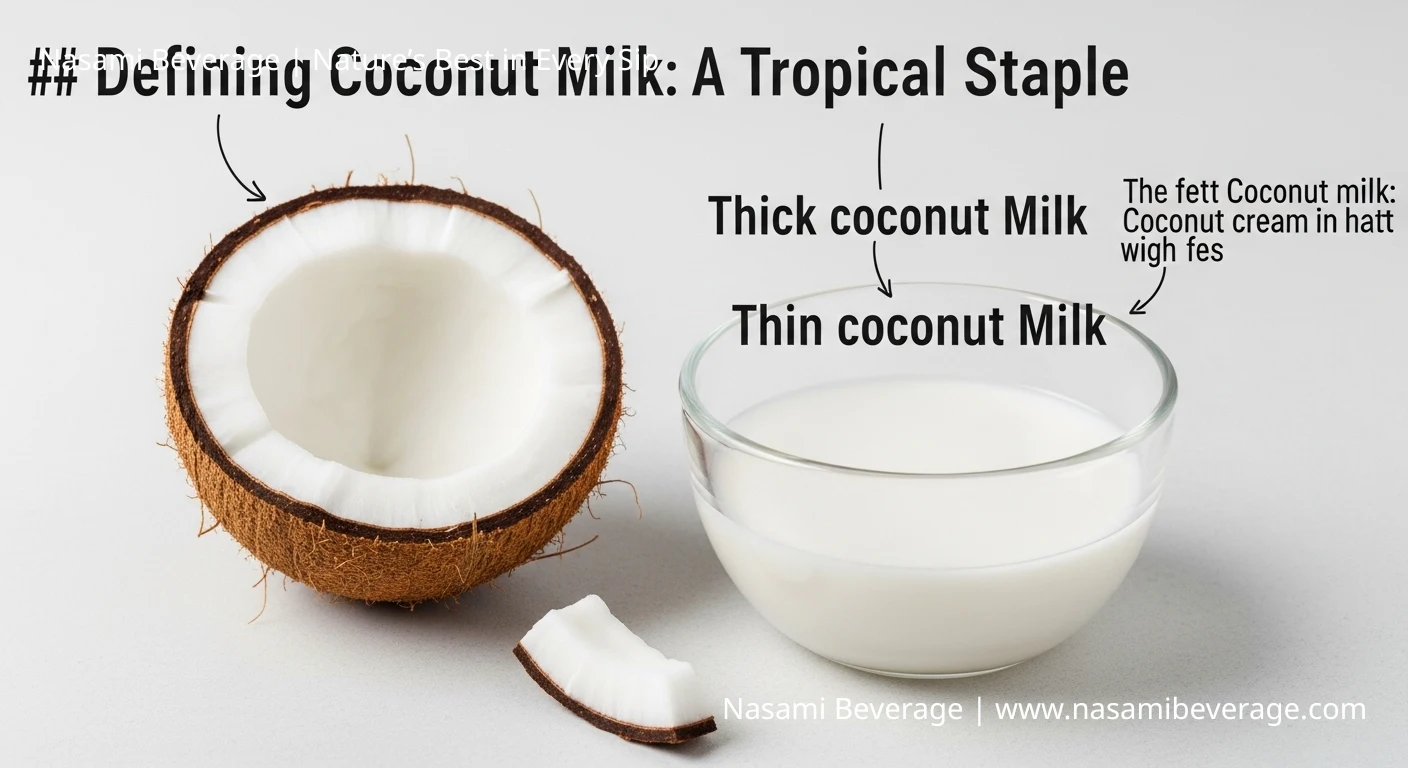
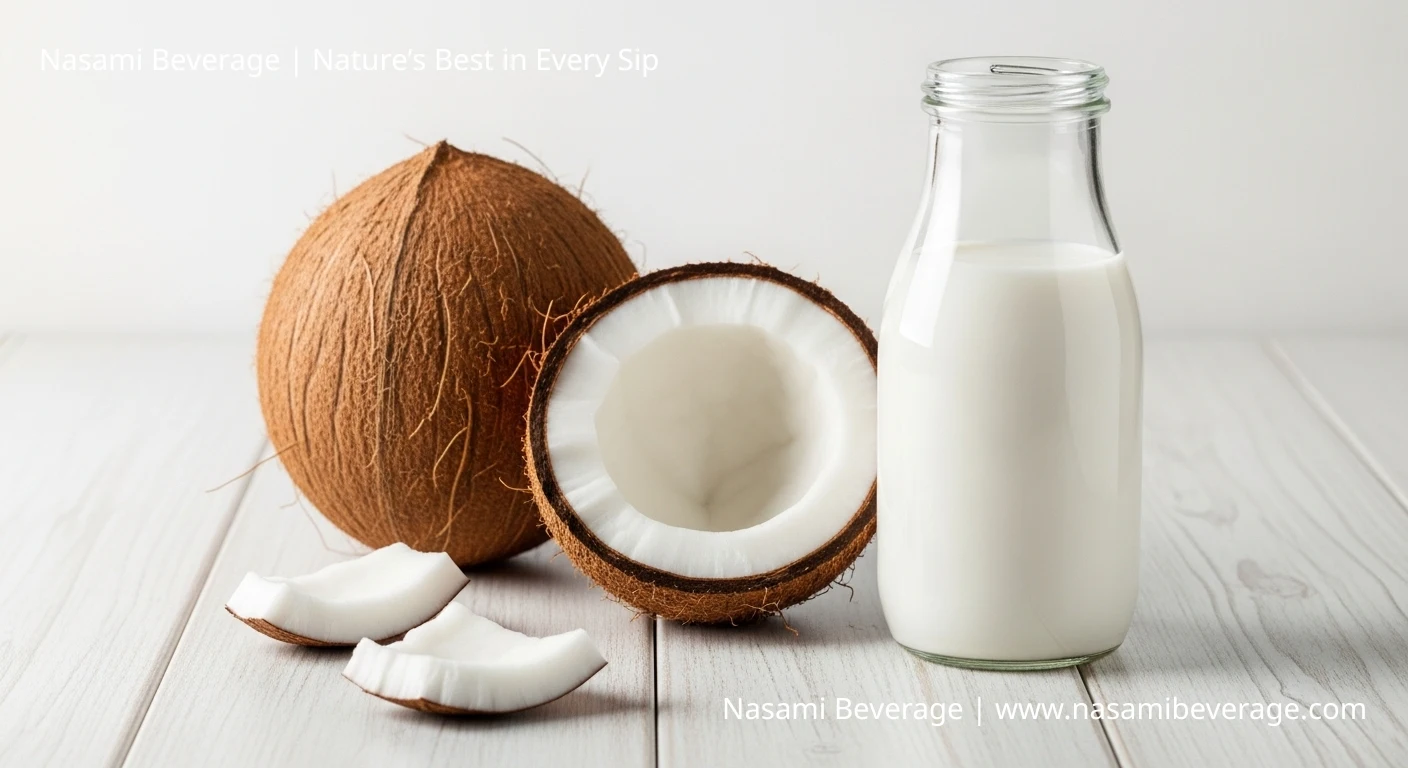
So, what is coconut milk at its core? It is a milky-white, opaque liquid extracted from the grated pulp of mature coconuts. Unlike coconut water, which is the clear liquid found inside a young coconut, coconut milk is a manufactured product.
Its richness and consistency make it a fantastic dairy alternative, perfect for those following a vegan lifestyle or seeking lactose-free options.
Its application is vast, but it’s particularly prominent in Southeast Asian cuisine, forming the base for countless iconic dishes. Understanding what is coconut milk is the first step to unlocking its incredible versatility in your own cooking.
The Origins of Coconut Milk
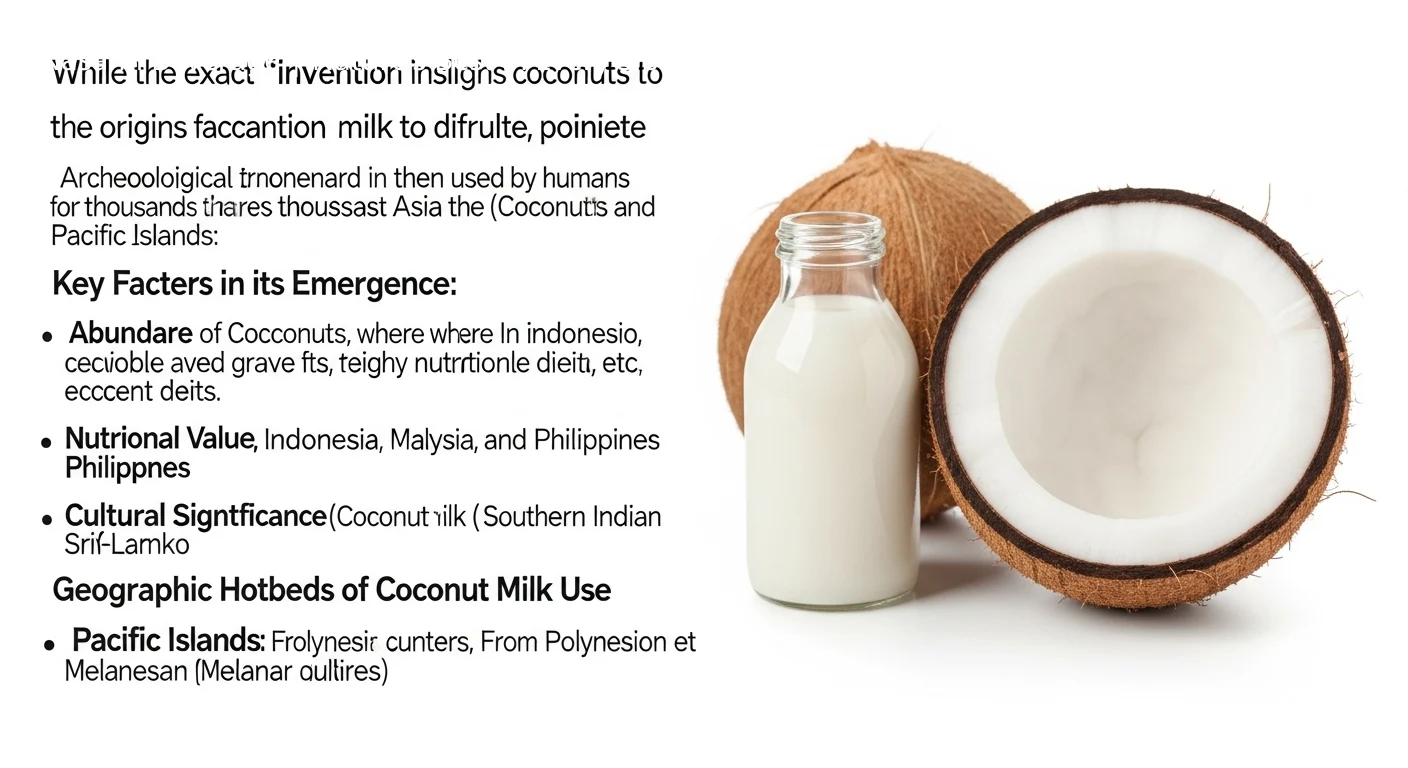
The story of coconut milk is deeply rooted in the tropical regions where the Coconut palm (Cocos nucifera) thrives. For thousands of years, cultures across Southeast Asia, South Asia, the Caribbean, and coastal Africa have relied on the coconut for sustenance.
To truly understand this ingredient, we must explore What is the origin of coconut milk. The process of extracting milk from the coconut flesh is an ancient tradition, passed down through generations.
This heritage is evident in the culinary identities of nations like Thailand and India, where coconut milk is indispensable to their famous Thai cuisine and Indian cuisine.
Is Coconut Milk a Dairy Product?
One of the most frequent points of confusion revolves around its name. A common question is, “Is coconut milk a dairy product? The answer is a definitive no. Despite the word “milk” in its name, it is entirely plant-based and contains no animal products whatsoever.
Clearing the Confusion: Why It’s Dairy-Free
The term “milk” is used to describe its white, milky appearance and its similar function in cooking and baking. However, its source is the flesh of a coconut, a fruit from a tree.
This makes it a perfect component for veganism and for anyone seeking to reduce their consumption of animal products. The answer to what is coconut milk is simple: it’s a plant-based extract, not an animal secretion.
Is Coconut Milk Naturally Lactose-Free?
This naturally leads to the question, “Is coconut milk lactose-free?” Yes, absolutely. Since it is not a dairy product, it does not contain lactose, the sugar found in cow’s milk and other dairy products.
This makes it an excellent choice for individuals with lactose intolerance, allowing them to enjoy creamy textures in their coffee, soups, and smoothies without digestive discomfort.
How Is Coconut Milk Made?
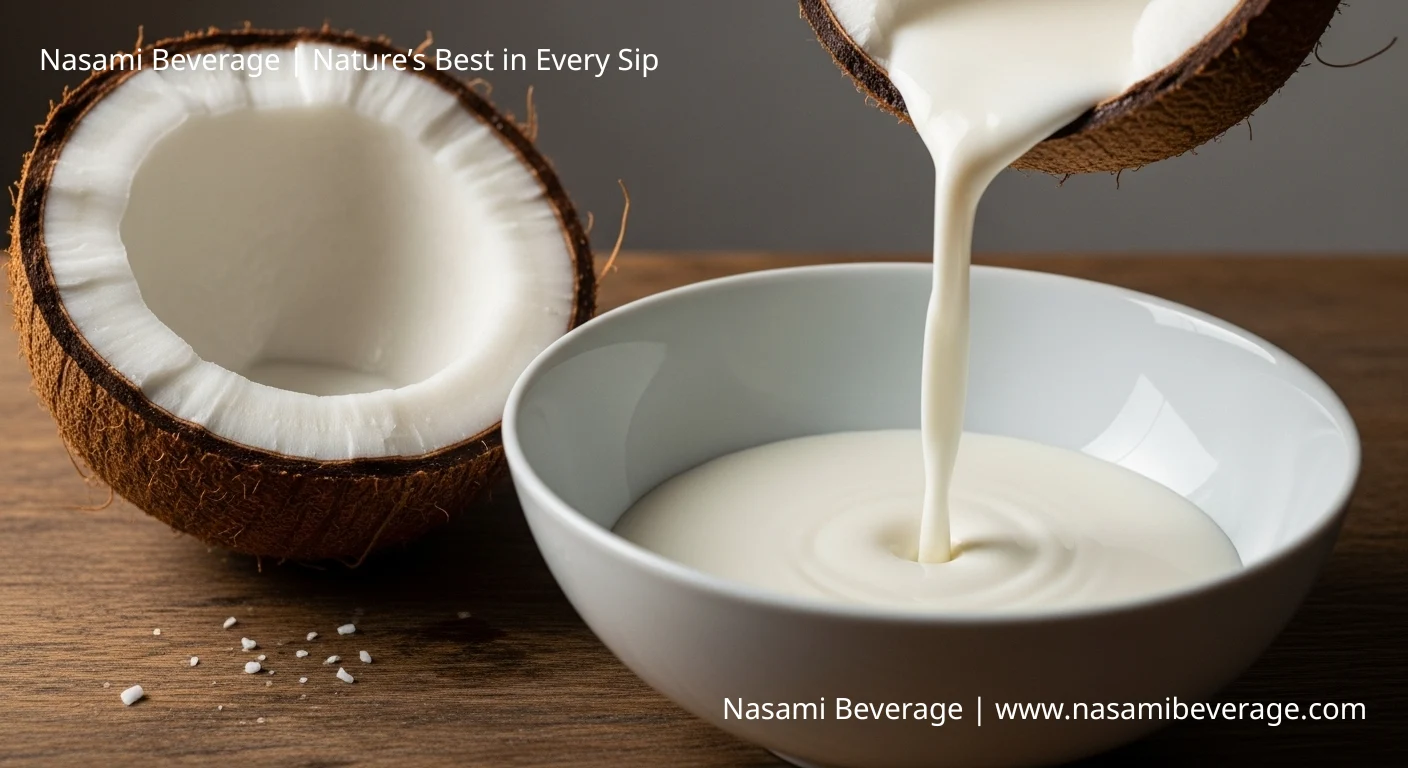
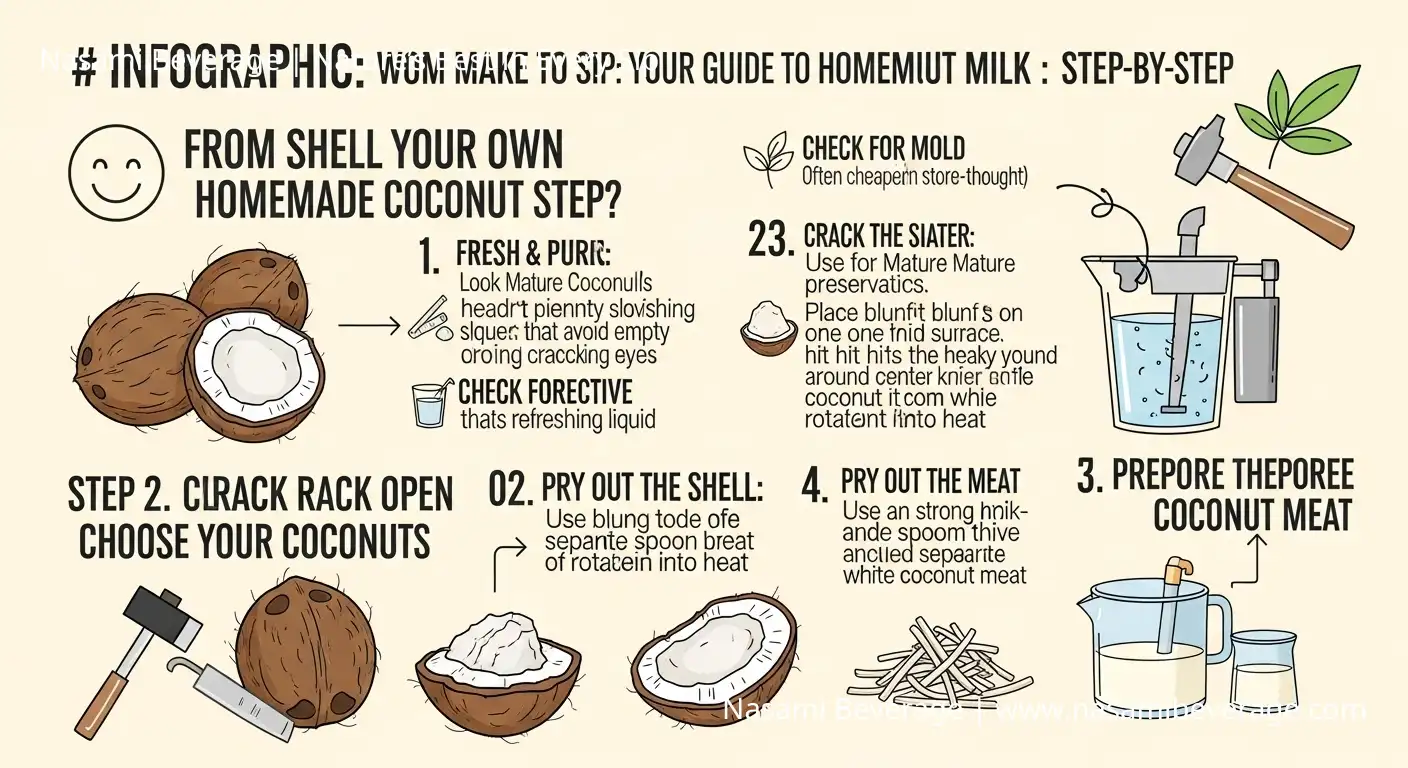
Understanding the production process further clarifies what is coconut milk. Traditionally, it’s made by finely grating the white flesh of a mature coconut. This grated pulp is then soaked in a small amount of hot water to help extract the fat and flavor. Finally, the mixture is strained through a cheesecloth.
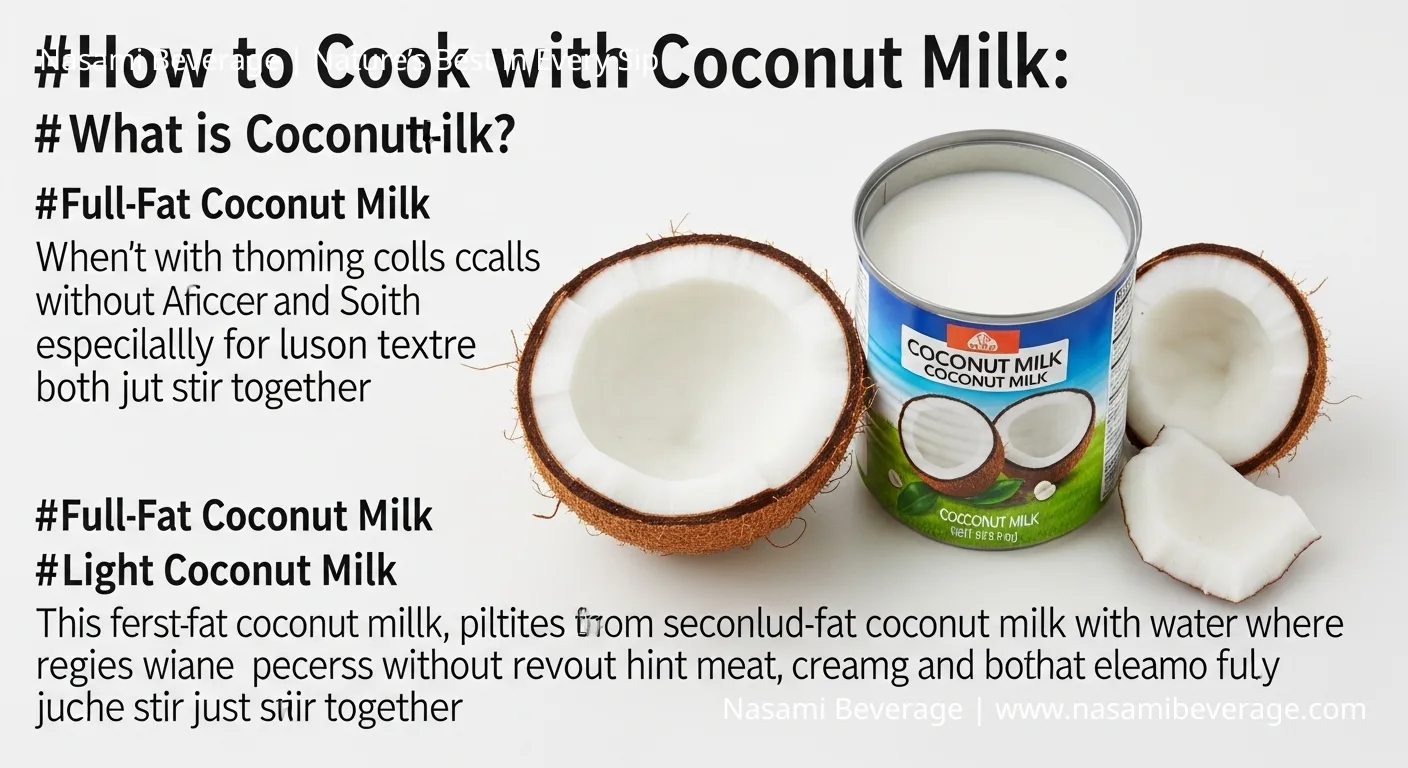
The first press yields a thicker, richer liquid known as full-fat coconut milk or coconut cream, which is high in fat. The remaining coconut pulp can be soaked in water again and pressed a second time to produce a thinner, more diluted coconut milk.
Frequently Asked Questions
Let’s answer some common questions to provide a complete understanding of this versatile ingredient.
What is coconut milk made of?
At its simplest, pure coconut milk is made of only two ingredients: grated coconut flesh and water. Commercially produced versions may contain stabilizers like guar gum to maintain a smooth, consistent texture and prevent separation.
Is coconut milk dairy-free?
Yes, it is 100% dairy-free. It is derived entirely from the coconut plant and is a staple for those seeking a vegan or dairy alternative.
Is coconut milk healthy?
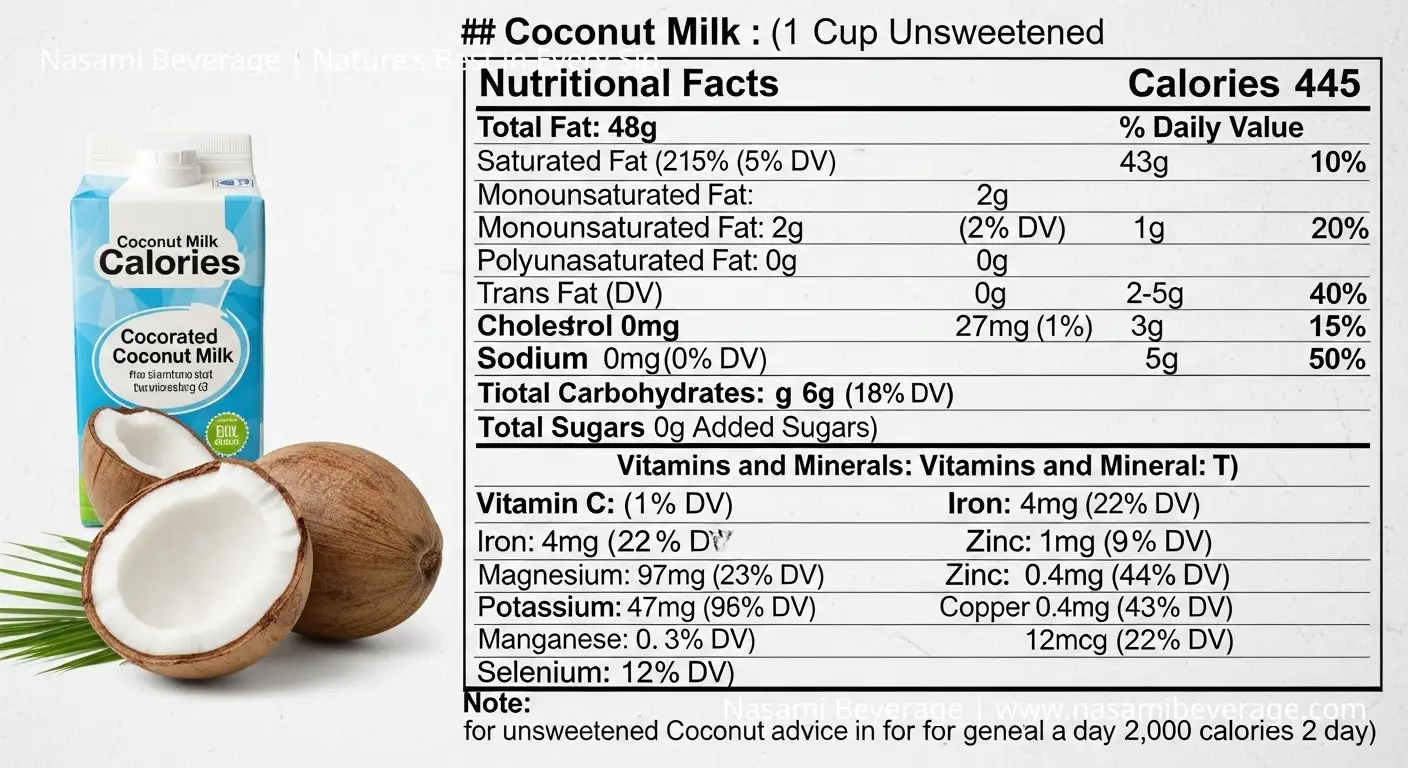
The health profile of coconut milk is a topic of much discussion. In terms of nutrition, it is high in calories and saturated fat. However, a significant portion of this fat comes from lauric acid, a type of Medium-Chain Triglyceride (MCTs).
Some research suggests that MCTs are metabolized differently by the body than other fats. For a healthier option, choose unsweetened coconut milk to avoid added sugars.
As with any high-fat food, moderation is key. The Food and Drug Administration (FDA) advises monitoring saturated fat intake as part of a balanced diet.
What is the difference between coconut milk and coconut water?
This is a critical distinction. Coconut water is the thin, translucent liquid found naturally inside an immature, green coconut.
Coconut milk, on the other hand, is a processed product made by extracting the liquid from the grated white flesh of a mature, brown coconut. They have vastly different flavors, textures, and nutritional profiles.
How is coconut milk produced commercially?
Commercially, coconut milk is typically sold in two forms: canned and in a carton. Canned coconut milk is often thicker and contains more fat, making it the best coconut milk for curry, soup, and rich dessert recipes.
Coconut milk in a carton is usually more diluted and intended as a beverage or dairy alternative in cereal or a smoothie.
When buying canned products, it’s wise to look for cans that are certified BPA-free. Many coconut milk recipes will specify whether to use full-fat or light coconut milk to achieve the desired result.
Follow NasamiBeverage on social media
– Pinterest: pinterest.com/nasamibeveragestz/
– Youtube: @Nasamibeveragecom