The global food and beverage market is a landscape of immense opportunity, but it’s also governed by stringent regulations and high consumer expectations. For any business looking to export, simply having a great product isn’t enough.
You must prove its safety, quality, and compliance with international standards. This is where certifications come in. They are your passport to new markets, a testament to your commitment to excellence, and a crucial tool for building trust.
This guide delves into the Top 5 Food and Beverage Certifications That Exporters Need, providing a comprehensive roadmap to navigate the complexities of global trade and secure your brand’s international success. Understanding this list of the Top 5 Food and Beverage Certifications That Exporters Need is the first critical step.
Disclaimer: This information is for educational purposes only and does not replace professional medical or veterinary advice. Always consult a qualified professional before making decisions related to your health or your pet’s health.
Why Are Food and Beverage Certifications Crucial for Exporters?
In a competitive global marketplace, food and beverage certifications are non-negotiable. They serve as a universal language of trust and safety between you, your international partners, and the end consumer.
These credentials validate your commitment to a robust quality management system and effective hazard analysis (HACCP), ensuring your products are safe for consumption.
Key reasons for their importance include:
- Market Access: Many countries and major retailers mandate specific certifications as a prerequisite for entry. Without them, your products will never reach the shelf.
- Regulatory Compliance: Certifications help you meet the complex legal and regulatory compliance requirements of different nations, from the FDA in the US to the European Union Food Safety Authority (EFSA).
- Enhanced Brand Reputation: A certified product signals quality, safety, and reliability, building consumer confidence and setting you apart from non-certified competitors.
- Streamlined Supply Chain: Standards like ISO 22000 and BRCGS improve processes, enhance traceability, and reduce the risk of costly recalls or trade disruptions throughout the supply chain. This is a vital part of what the Top 5 Food and Beverage Certifications That Exporters Need deliver.
Understanding the Global Food Safety Initiative (GFSI)
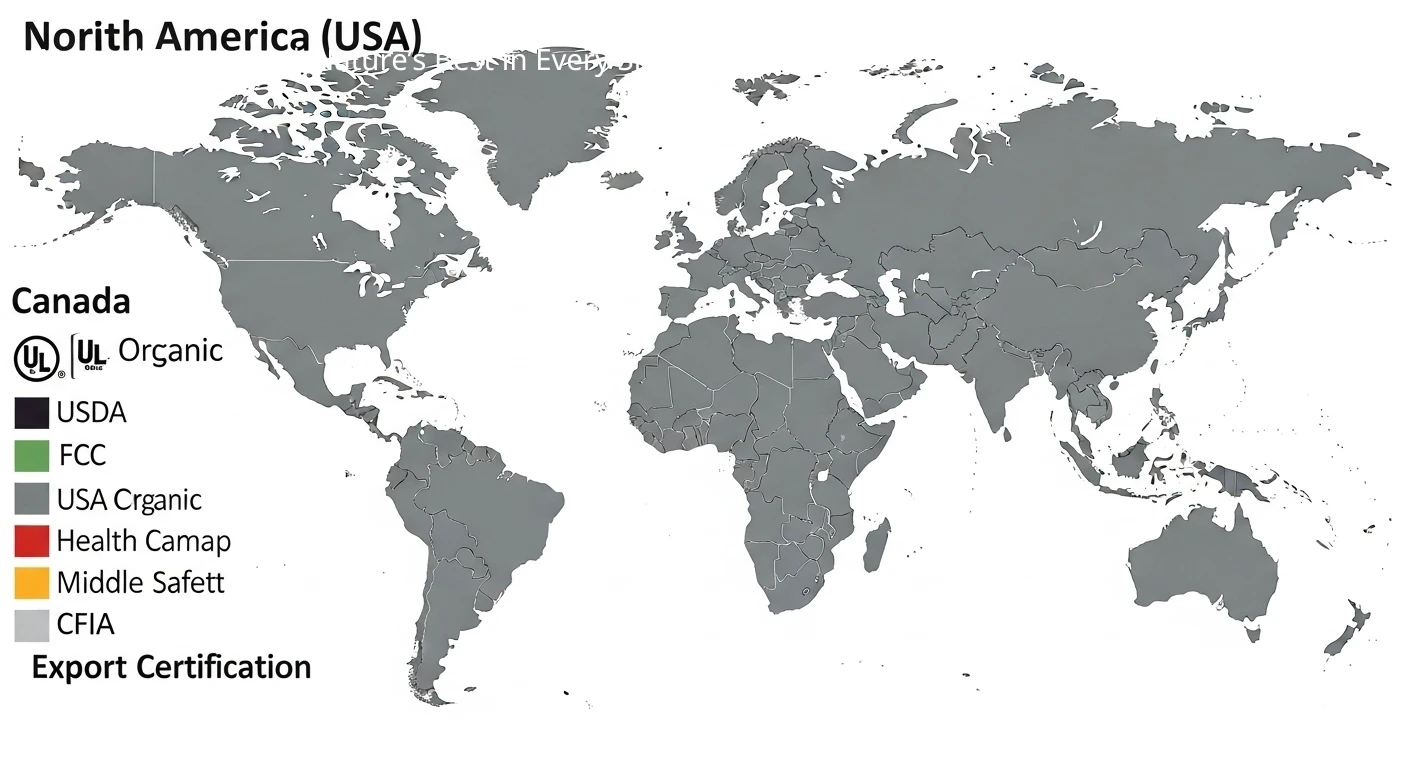
Before diving into specific certifications, it’s essential to understand the Global Food Safety Initiative (GFSI). GFSI is not a certification scheme itself; rather, it’s a globally recognized benchmarking organization. It sets the standards for food safety audits and recognizes certification programs that meet its stringent criteria.
When a certification is “GFSI-recognized,” it signifies that it meets the highest global standards for food safety. Many international retailers and buyers specifically look for suppliers with a GFSI-recognized certification.
The GFSI recognized certifications list for exporters includes prominent names like BRCGS, FSSC 22000, and SQF, making them a gold standard for international trade. Having one of these is a key part of the Top 5 Food and Beverage Certifications That Exporters Need.
Top 5 Must-Have Certifications for Global Exporters
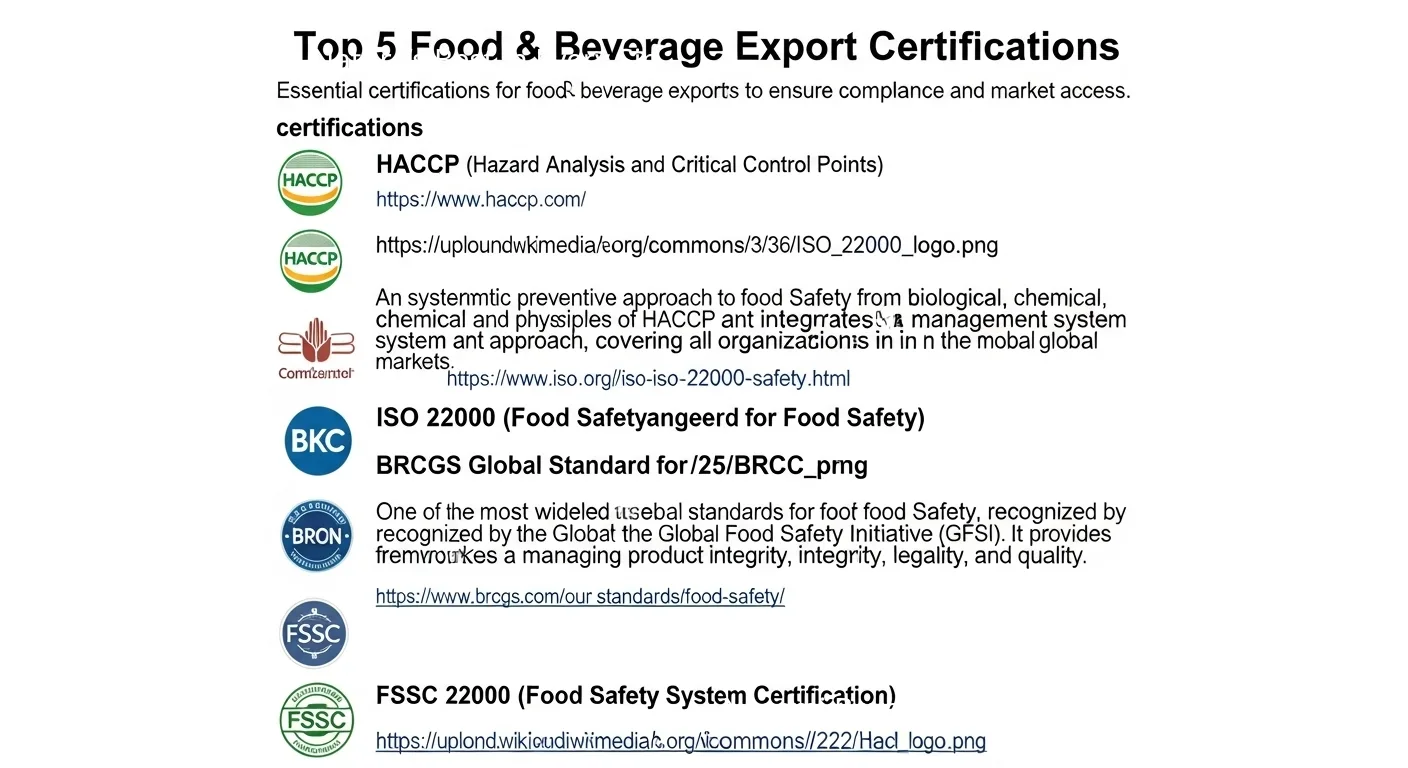
Navigating the world of certifications can be daunting. To simplify the process, we have compiled the Top 5 Food and Beverage Certifications That Exporters Need to unlock global market potential.
These certifications address a wide range of requirements, from foundational safety principles to comprehensive management systems recognized by the world’s largest retailers. Getting the right food export certification services can help you navigate this complex landscape.
HACCP: The Cornerstone of Food Safety
HACCP (Hazard Analysis and Critical Control Points) is a systematic, preventive approach to food safety. It is the foundation upon which most other advanced food safety certifications are built.
Instead of relying on end-product testing, HACCP focuses on identifying and controlling potential biological, chemical, and physical hazards at specific points in the production process. Implementing HACCP is often a legal requirement in major markets like the US and the EU.
ISO 22000: The International Standard for Food Safety Management
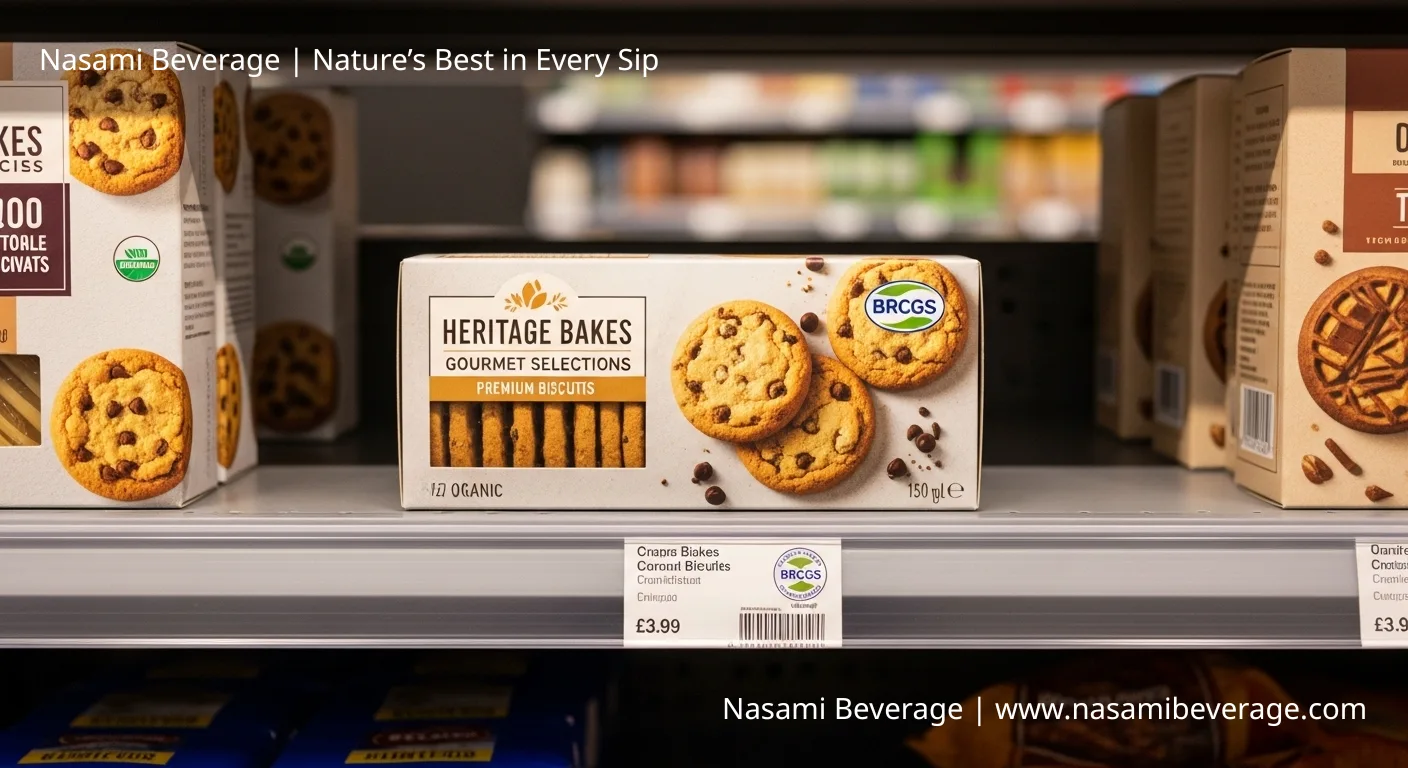
ISO 22000 is an internationally recognized standard for a food safety management system (FSMS). It combines the key principles of HACCP with prerequisite programs (PRPs) and elements of the ISO 9001 quality management system.
ISO 22000 is applicable to any organization in the food chain, from farm to fork, and provides a structured framework for managing food safety risks and ensuring consistent, safe production.
BRCGS: Your Gateway to UK and European Markets
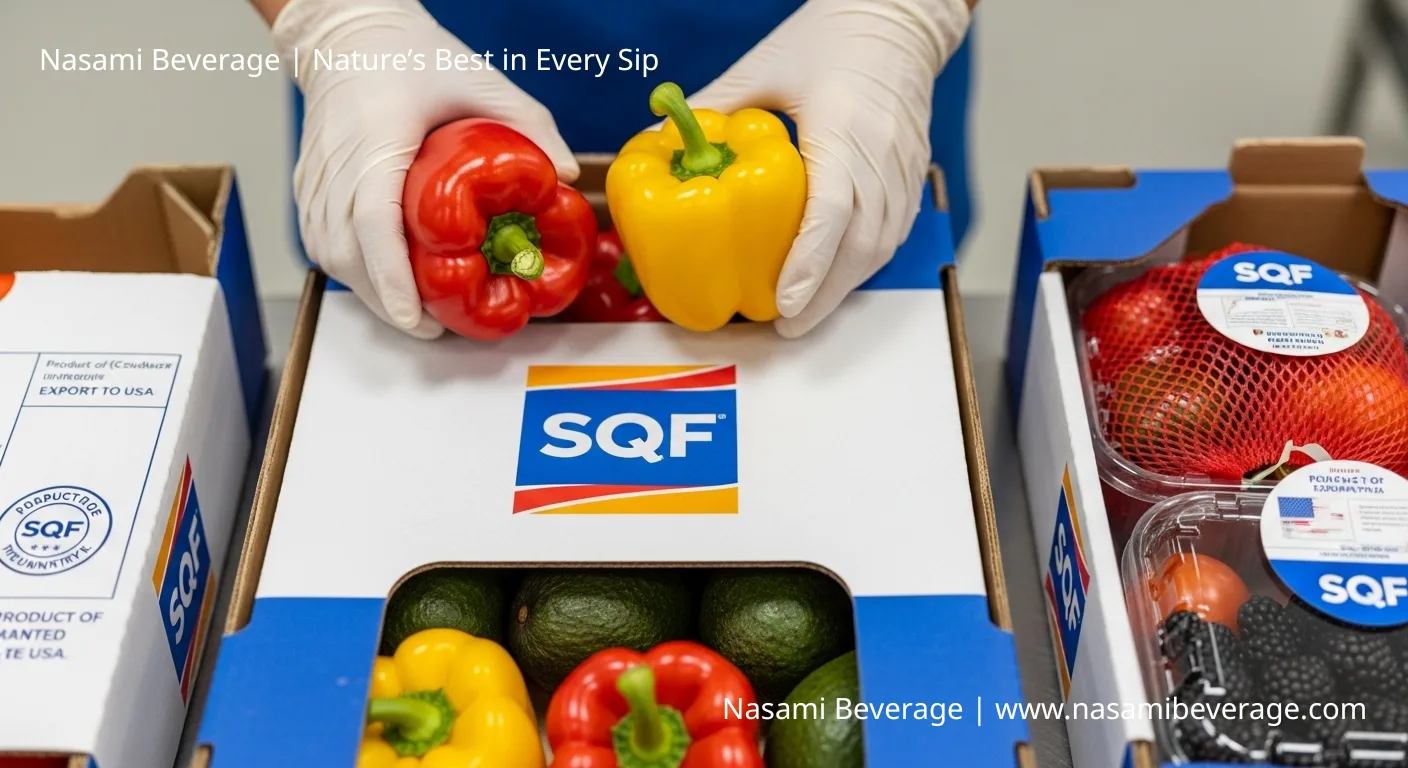
The BRCGS (Brand Reputation Compliance Global Standards) is a leading GFSI-recognized certification, particularly valued by retailers in the UK and Europe. It goes beyond HACCP to cover senior management commitment, quality management, site standards, product control, and personnel.
Achieving this certification demonstrates a high level of competence in food safety, quality, and legality. While the investment is significant, understanding the BRCGS certification cost is the first step towards accessing these lucrative markets. If you’re asking what certifications are needed to export food to Europe, BRCGS is often the answer.
FSSC 22000: A Comprehensive and Flexible Certification Scheme
FSSC 22000 is another powerful, GFSI-recognized certification that is built on the foundation of ISO 22000. It combines the ISO 22000 standard with specific technical specifications for PRPs and additional requirements covering topics like allergen management and food fraud prevention.
Its ISO-based framework allows for easy integration with other management systems like ISO 9001 and ISO 14001. Many global brands recommend or require their suppliers to get FSSC 22000 certified. It is a core part of the Top 5 Food and Beverage Certifications That Exporters Need for global reach.
FDA Registration: Essential for Exporting to the United States
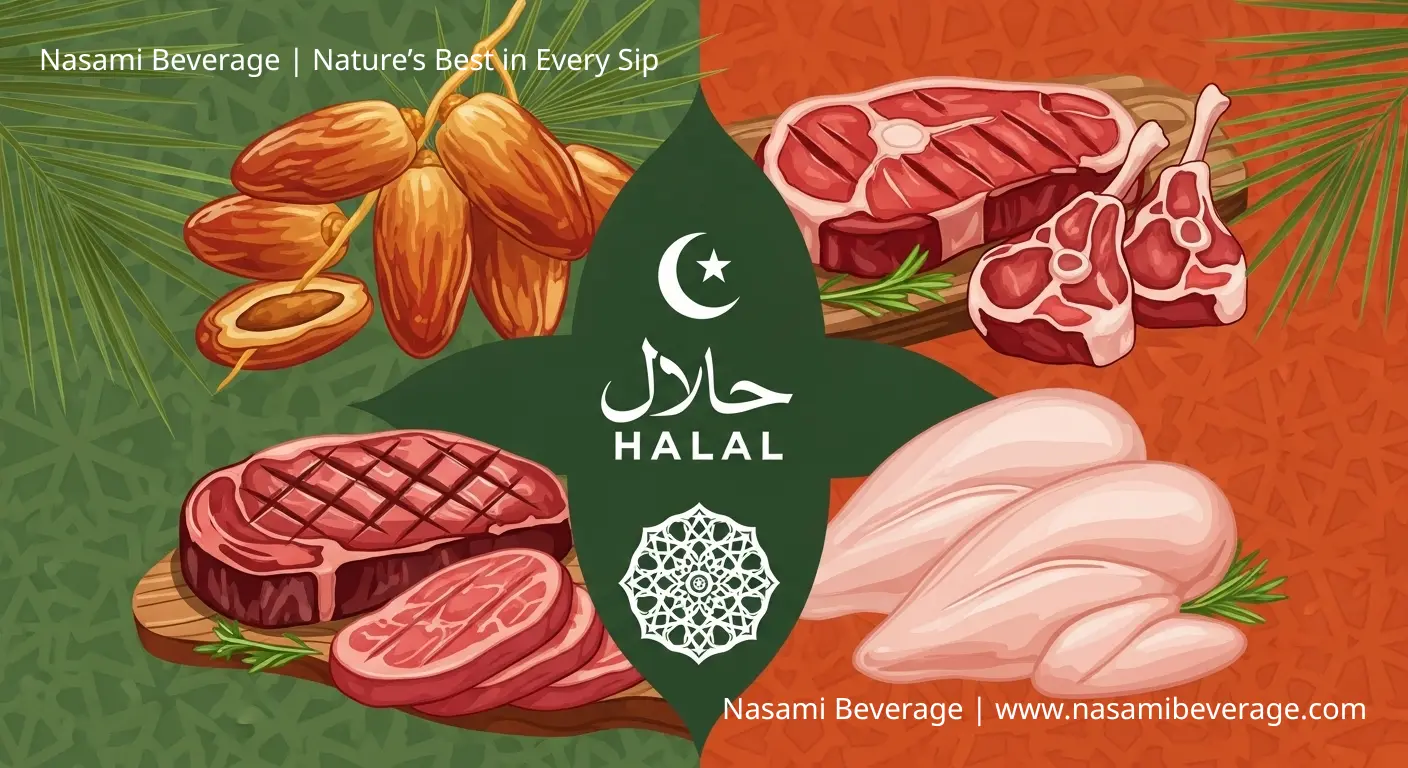
While not a certification in the traditional sense, FDA Registration is a mandatory requirement for any facility that manufactures, processes, packs, or holds food or beverage products intended for consumption in the United States.
This is a critical piece of the puzzle for any food safety certification for USA export strategy. The registration must be renewed every two years, and failure to comply can result in detention of your goods at the U.S. border. This requirement is why it’s on our list of the Top 5 Food and Beverage Certifications That Exporters Need.
Key Certifications for Niche and Regional Markets
Beyond the foundational five, specific certifications can unlock valuable niche markets. Understanding your target consumer is key.
Halal Certification: Accessing Muslim Consumers Worldwide
Halal certification verifies that a product is permissible according to Islamic law. This is crucial for exporting to Muslim-majority countries and for reaching Muslim consumers in Western markets.
The process involves auditing the entire production process, from ingredients to handling and processing, by recognized Halal Certification Bodies. Understanding how to get halal certification for export is a must for any brand targeting this demographic of nearly 2 billion people.
Kosher Certification: Meeting Jewish Dietary Standards
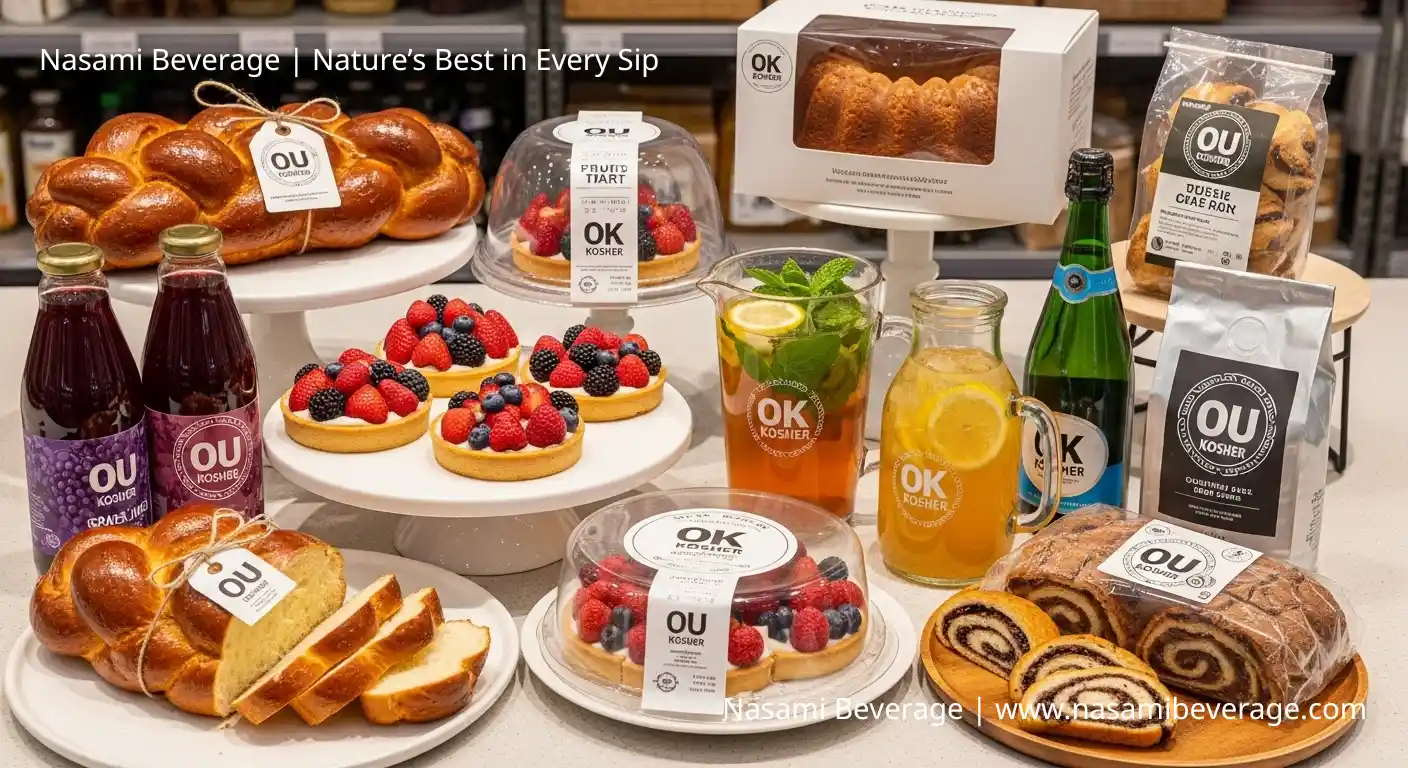
Similar to Halal, Kosher certification confirms that a product complies with Jewish dietary law. Certified by Kosher Certification Agencies (e.g., OU, OK), this seal is essential for reaching observant Jewish consumers globally. The debate over halal vs kosher certification for beverage exporters often comes down to the specific target market, as each opens doors to distinct consumer groups.
Organic Certifications (USDA, EU Organic): Tapping into the Health-Conscious Market
Organic certifications, such as USDA Organic for the US and the EU Organic logo for Europe, appeal to a rapidly growing segment of health- and environmentally-conscious consumers. These certifications guarantee that products are produced without synthetic pesticides, GMOs, or artificial fertilizers, commanding premium prices and building strong brand loyalty.
How to Choose the Right Certification for Your Export Business
Selecting from the top food quality certifications for global market depends on several factors:
- Target Market: Research the mandatory and preferred certifications in your target countries. BRCGS is strong in the UK, while FDA registration is non-negotiable for the US.
- Buyer Requirements: Your potential international buyers or retailers will often specify which GFSI-recognized certifications they accept.
- Product Type: Certain products may require specific certifications (e.g., allergen-free, non-GMO).
- Business Goals: Are you aiming for broad market access or targeting a specific niche like organic or Halal?
For complex schemes like the Safe Quality Food (SQF) Program, another top-tier GFSI scheme, working with SQF certification consultants can streamline the process and ensure a successful outcome.
The Step-by-Step Process for Obtaining Certification
While each certification has a unique process, the general journey follows these steps:
- Select Your Standard: Choose the certification that aligns with your business goals.
- Perform a Gap Analysis: Assess your current systems against the standard’s requirements to identify areas for improvement.
- Implement and Document: Develop and implement the necessary procedures, policies, and documentation for your quality management system.
- Train Your Team: Ensure all relevant staff are trained on the new procedures.
- Conduct an Internal Audit: Before the official audit, conduct your own to catch any non-conformities.
- Schedule the Certification Audit: Engage an accredited third-party certification body to conduct the official auditing process.
- Maintain and Improve: Certification is an ongoing commitment to continuous improvement.
Benefits of Certification: More Than Just Market Access
Achieving one of the Top 5 Food and Beverage Certifications That Exporters Need delivers benefits that extend far beyond simply entering a new market. It leads to improved operational efficiency, reduced waste, better traceability throughout your supply chain, and a culture of food safety within your organization. It protects your brand, builds trust with partners, and ultimately drives sustainable growth.
Frequently Asked Questions (FAQs)
Which certification is best for a first-time exporter?
For a first-time exporter, starting with a foundational HACCP certification is crucial, as it is a prerequisite for many other standards and a legal requirement in many regions. Following that, ISO 22000 provides a solid management framework.
Are GFSI-recognized certifications accepted everywhere?
While GFSI-recognized certifications like BRCGS, FSSC 22000, and SQF are highly respected and accepted by the majority of global retailers, some countries or buyers may have additional specific requirements. Always verify with your target market’s regulatory bodies and your specific buyers.
How long does it take to get certified?
The timeline can vary significantly depending on the certification, the current state of your food safety systems, and the size of your operation. It can range from a few months to over a year. The process involves implementation, documentation, internal audits, and the final external auditing process.
Conclusion: Secure Your Place in the Global Marketplace
In today’s interconnected world, success in food and beverage exporting is built on a foundation of trust and verifiable quality. The certifications outlined in this guide are not just bureaucratic hurdles; they are strategic assets that demonstrate your commitment to excellence and unlock the doors to global commerce.
By carefully selecting and implementing the right credentials from the Top 5 Food and Beverage Certifications That Exporters Need, you can confidently navigate international regulations, meet consumer demands, and secure a lasting and profitable place in the global marketplace. The journey to obtaining the Top 5 Food and Beverage Certifications That Exporters Need is an investment in your brand’s future.
Follow NasamiBeverage on social media
– Pinterest: pinterest.com/nasamibeveragestz/
– Youtube: @Nasamibeveragecom