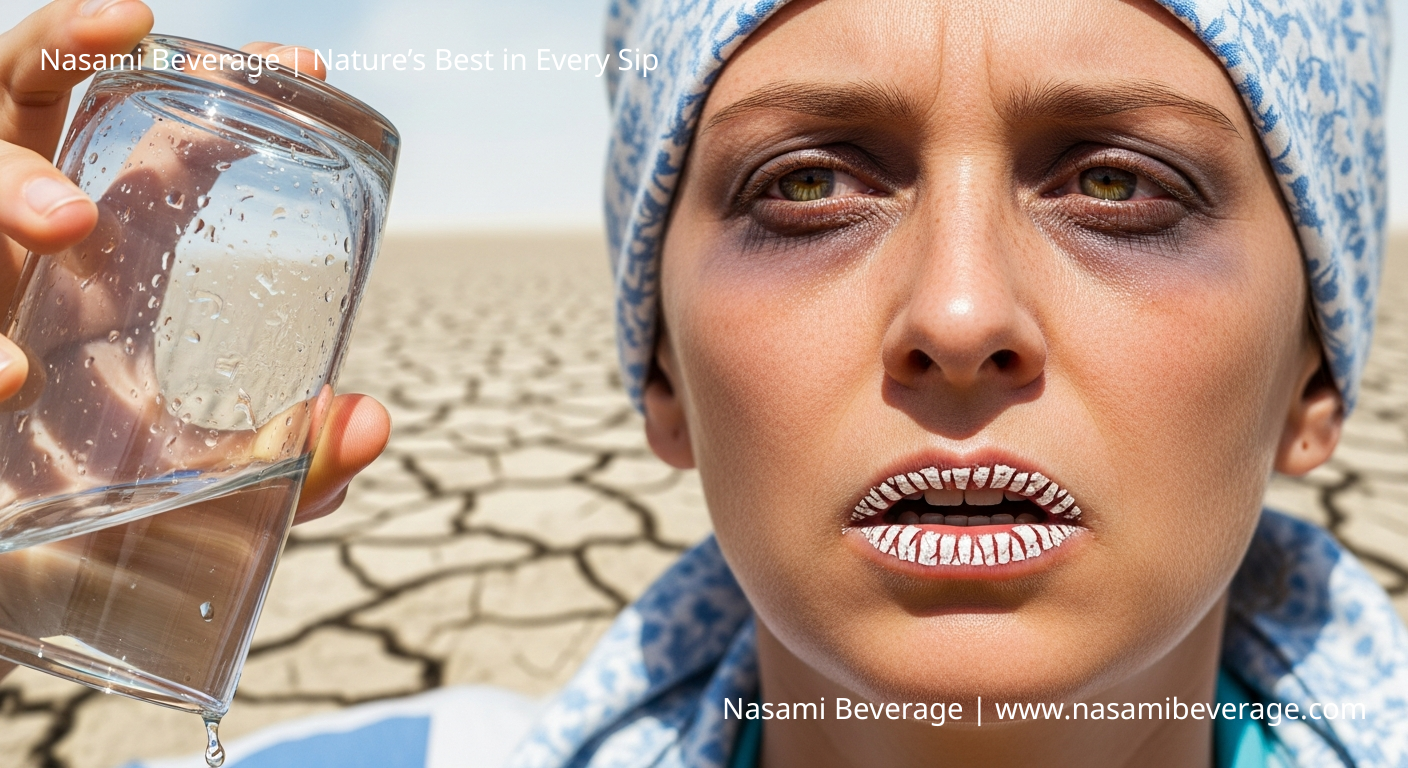
Feeling constantly tired, foggy, or plagued by headaches? Before you reach for another cup of coffee, consider your water intake. The truth is, many of us are simply not drinking enough water, and our bodies are sending clear signals we often misinterpret.
Dehydration isn’t just about feeling thirsty; it’s a state that can impact everything from your mood and cognitive function to your long-term health. Recognizing the subtle and not-so-subtle signs is the first step toward improving your overall well-being. The problem of not drinking enough water is pervasive, but the solution is within your grasp.
This guide will walk you through the common symptoms, long-term risks, and practical strategies to ensure your body gets the hydration it desperately needs. Believing you are not drinking enough water is a common concern, and this article will provide the clarity you need.
Disclaimer: This information is for educational purposes only and does not replace professional medical or veterinary advice. Always consult a qualified professional before making decisions related to your health or your pet’s health.
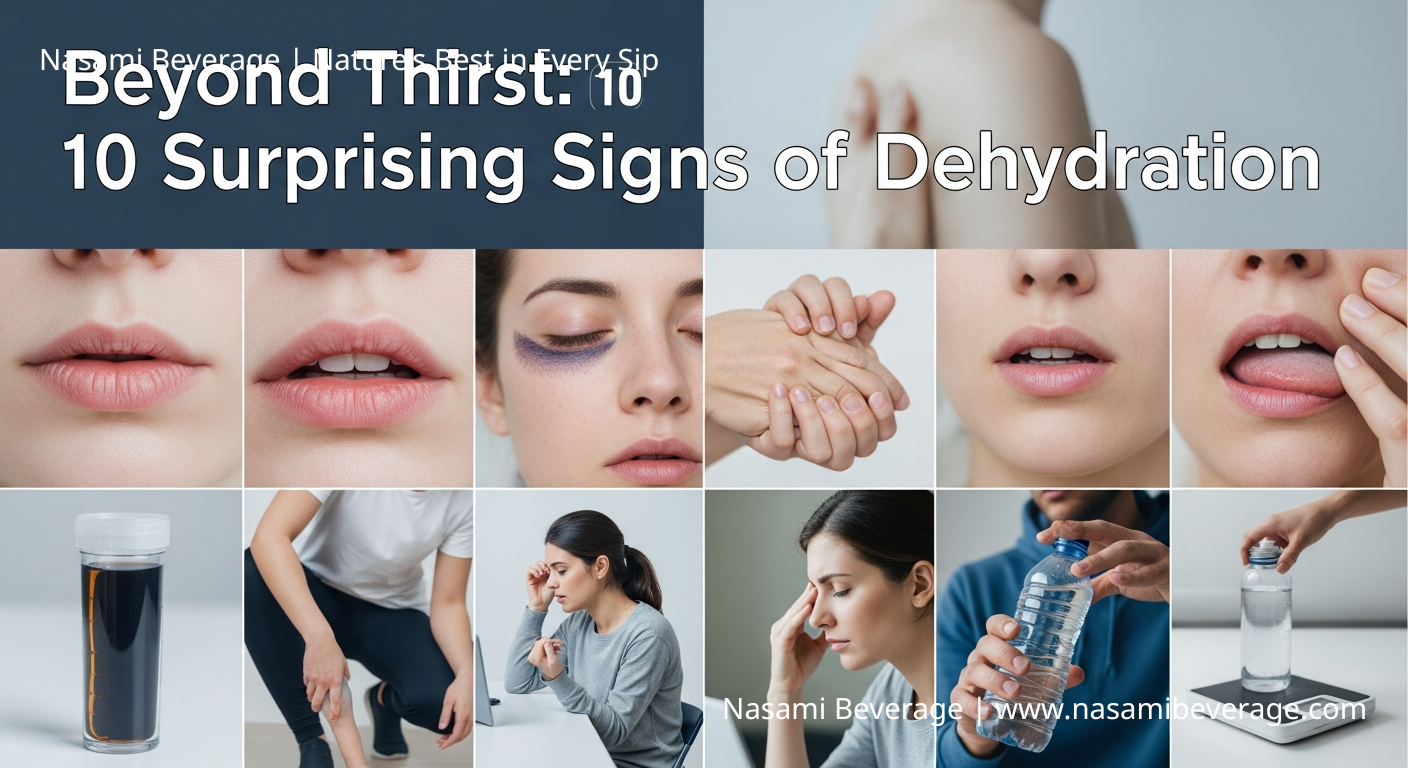
Beyond Thirst: 10 Surprising Signs of Dehydration
While thirst is the most obvious cue, your body’s thirst mechanism can be unreliable, especially in older adults or during intense exercise.
By the time you feel thirsty, you may already be dehydrated. Being aware of the broader Signs of Dehydration is crucial. Here are 10 surprising indicators that you’re not drinking enough water:
- Persistent Fatigue and Low Energy: Water is essential for metabolic processes and energy production. When you’re not drinking enough water, your body works less efficiently, leading to feelings of sluggishness and fatigue.
- Headaches and Dizziness: Dehydration can cause your brain to temporarily shrink from fluid loss, pulling it away from the skull and triggering pain receptors. This is a common reason for midday headaches.
- Brain Fog and Poor Concentration: Your brain is approximately 75% water. A lack of proper hydration directly impacts your cognitive performance, making it difficult to focus, remember, and make decisions.
- Dark Yellow Urine: One of the most reliable indicators is your urine color. Adequately hydrated urine should be a pale, straw-like yellow. If it’s dark yellow or amber, it’s a clear sign you’re not drinking enough water.
- Dry Skin and Reduced Elasticity: Water moisturizes your skin from the inside out. A lack of it can lead to dry, flaky skin. You can test your skin turgor by gently pinching the skin on the back of your hand; if it doesn’t bounce back quickly, you may be dehydrated.
- Unexplained Bad Breath: When you are not drinking enough water, saliva production decreases. Saliva has antibacterial properties, and without it, bacteria can thrive in your mouth, leading to bad breath.
- Sugar Cravings: The liver needs water to release glycogen, your body’s stored energy source. If you are not drinking enough water, the liver struggles, sending signals to your brain that it needs fuel-often misinterpreted as a craving for sugary snacks.
- Constipation and Digestive Issues: Water helps move food through your digestive tract. Without sufficient fluid, the colon pulls water from your stool to maintain hydration, resulting in harder, more difficult-to-pass stools.
- Muscle Cramps: Proper hydration is essential for maintaining a healthy electrolyte imbalance. When you are not drinking enough water, especially during physical activity, this balance can be disrupted, leading to painful muscle cramps.
- Infrequent Urination: If you’re not visiting the restroom every few hours, it’s a strong sign your body is conserving the fluid it has because you’re not drinking enough water.
The Long-Term Health Consequences of Chronic Dehydration
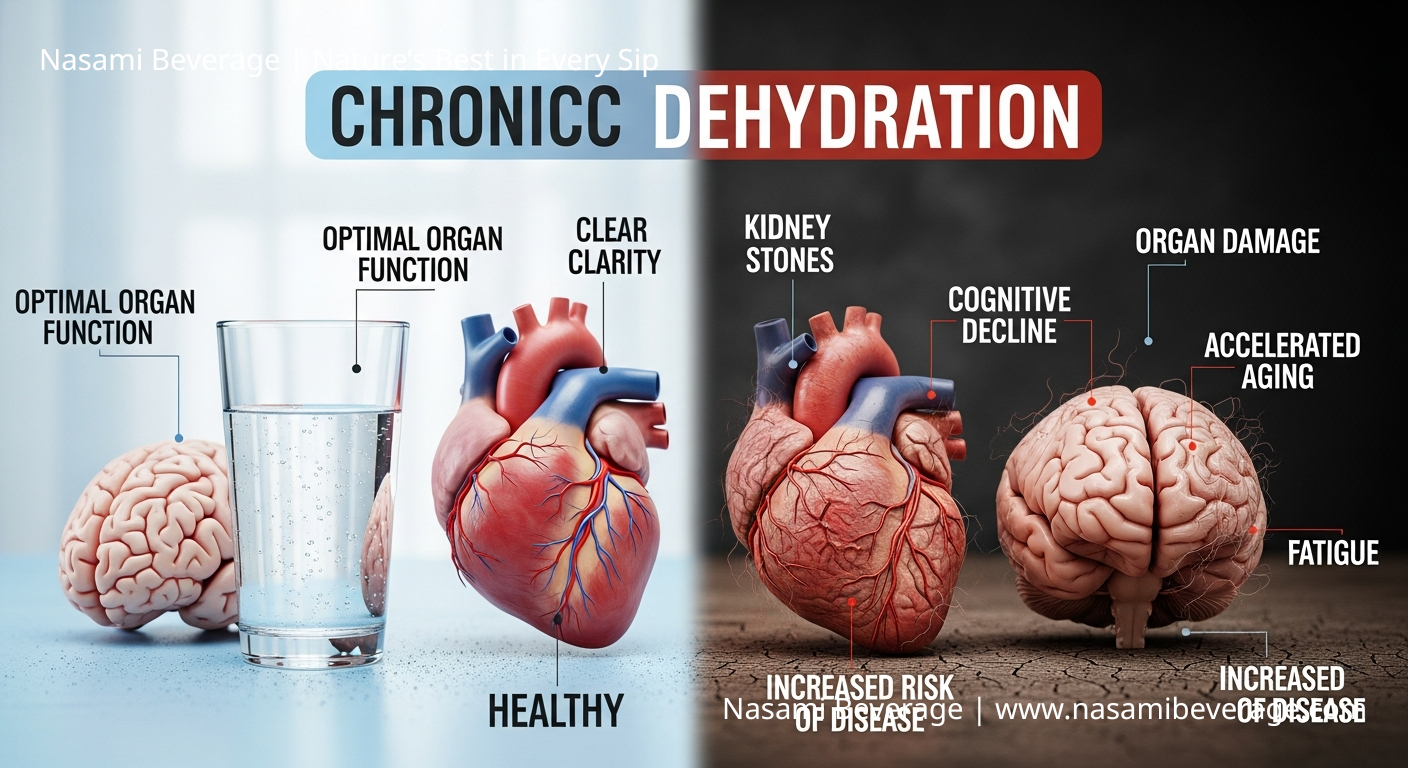
Occasionally not drinking enough water might just leave you feeling sluggish for a day. However, chronic dehydration-a consistent state of inadequate fluid intake-can have serious and lasting effects on your health.
This is more than just a temporary inconvenience; it’s a condition that puts significant strain on your vital organs.
The consequences of persistently not drinking enough water can be severe. One of the primary concerns is impaired kidney function. Your kidneys are responsible for filtering waste from your blood, and they require sufficient water to do so effectively.
Chronic dehydration can lead to a concentration of waste products, increasing the risk of kidney stones and, over time, contributing to kidney damage.
Furthermore, a state of being chronically under-hydrated is a major risk factor for developing a urinary tract infection (UTI).
Water helps dilute your urine and ensures you urinate more frequently, which flushes harmful bacteria from the urinary tract. When you are consistently not drinking enough water, bacteria have a better opportunity to multiply and cause an infection.
It also impacts your metabolism, potentially slowing it down and hindering weight management efforts.
How Much Water Do You Actually Need?
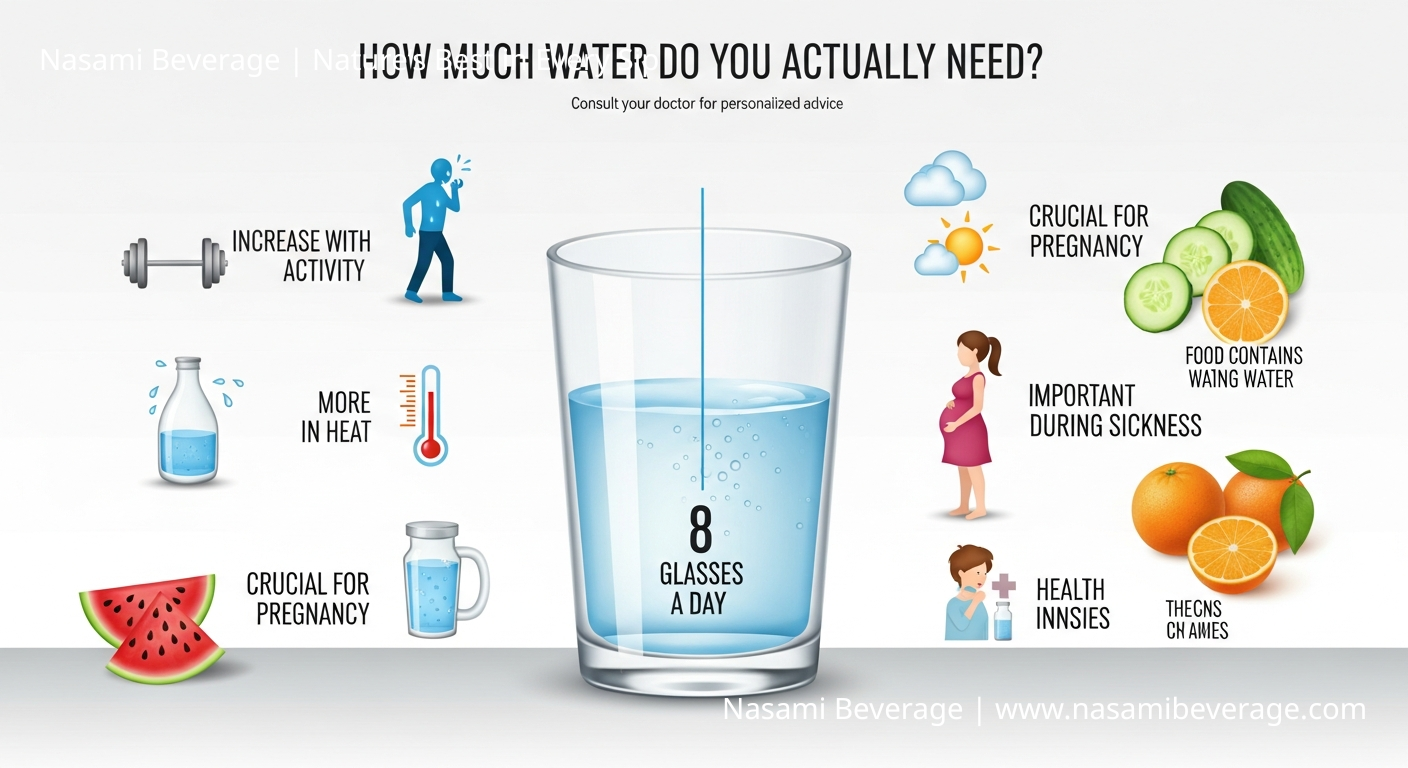
The old “eight glasses a day” rule is a decent starting point, but it’s not a one-size-fits-all solution. Your daily water requirement is highly individual and depends on several factors. Understanding how much water to drink is key to avoiding the negative effects of not drinking enough water.
Key factors influencing your hydration needs include:
- Activity Level: If you exercise or have a physically demanding job, you lose more fluid through sweat and need to drink more to replenish it.
- Climate: Hot or humid weather causes you to sweat more, increasing your need for water.
- Overall Health: Conditions like fever, vomiting, or diarrhea cause your body to lose extra fluids.
- Diet: If you consume a lot of salty, sugary, or processed foods, your body may require more water to process them.
The best way to gauge your needs is to pay attention to your body. Monitor your urine color and listen to your thirst cues, but aim to drink proactively throughout the day to maintain a proper fluid balance and ensure you are never in a state of not drinking enough water.
7 Practical Strategies to Drink More Water Effortlessly
Knowing you’re not drinking enough water is one thing; changing the habit is another. Here are seven simple, effective strategies to seamlessly increase your daily intake.
Carry a Reusable Water Bottle: Make it a constant companion.
The easiest way to drink more water is to have it readily available. Invest in a reusable water bottle you love and keep it with you at your desk, in your car, and in your bag. This visual cue serves as a constant reminder, making it easy to sip throughout the day.

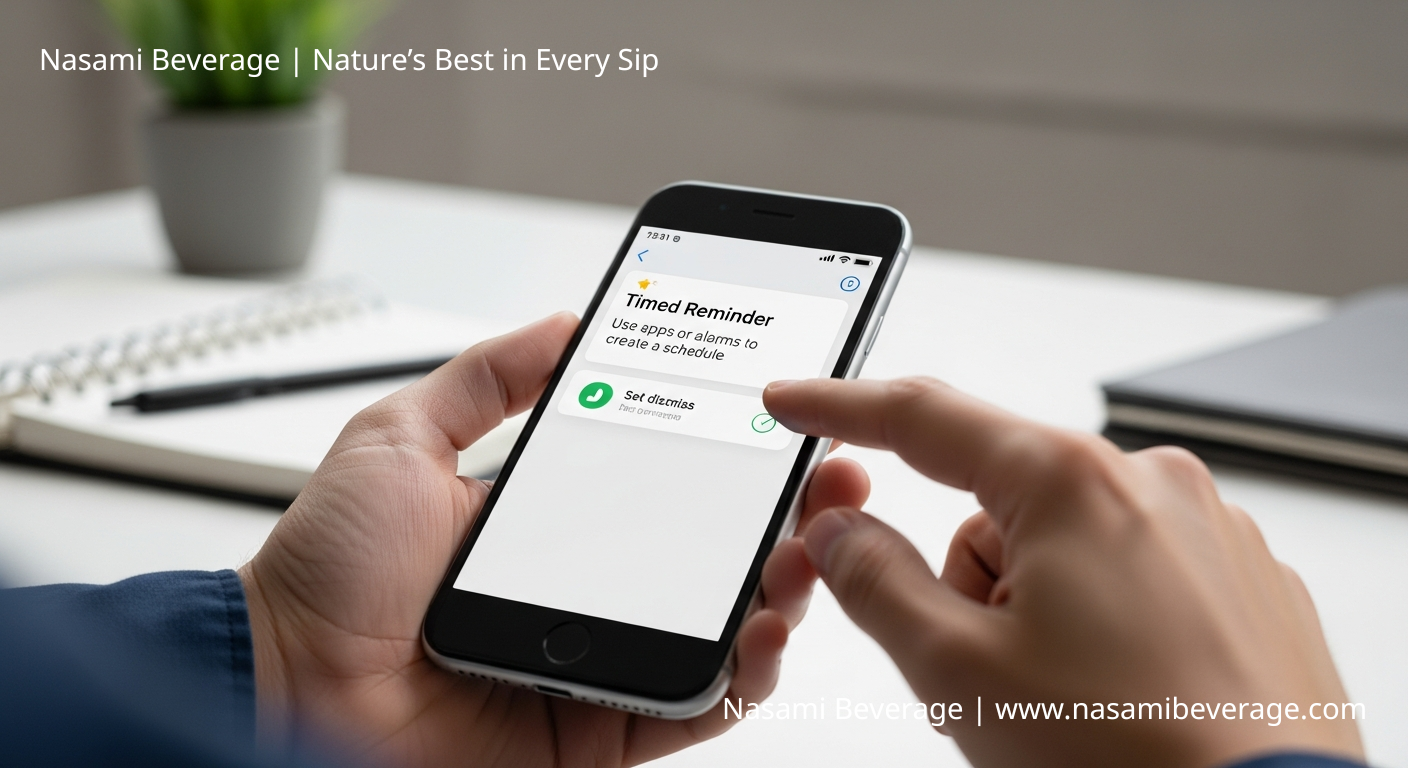
Set Timed Reminders: Use apps or alarms to create a schedule.
If you often get caught up in your day and forget to drink, technology can help. Use your phone’s alarm or a dedicated hydration app to set reminders every hour.
This builds a consistent habit for those who find they are not drinking enough water due to a busy schedule.
Infuse for Flavor: Add fruits, vegetables, or herbs to make water more appealing.
If you find plain water boring, infuse it with natural flavors. Add slices of lemon, cucumber, orange, or a few mint leaves to a pitcher of water.
This makes hydration more enjoyable without adding sugar or calories, a great solution if the taste of plain water is why you’re not drinking enough water.

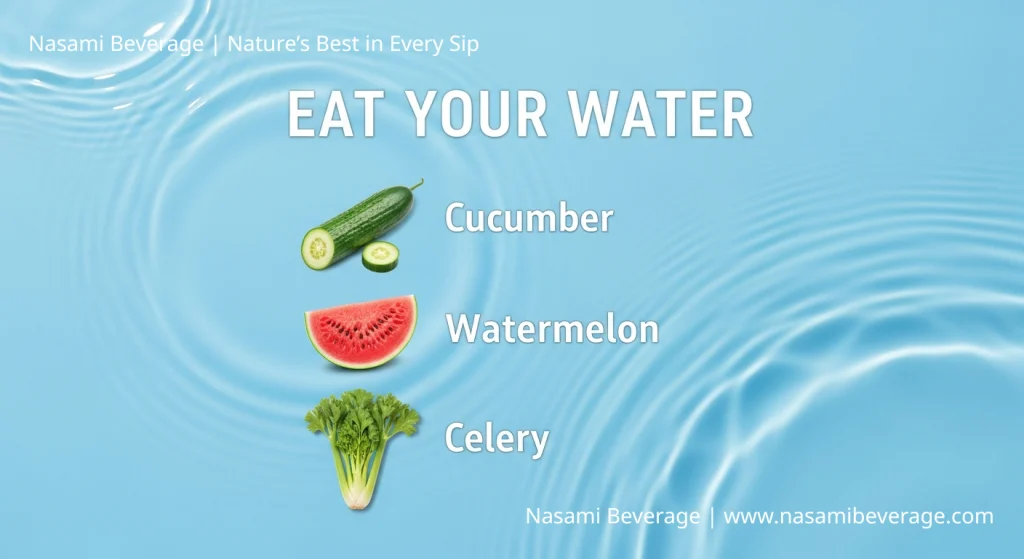
Eat Your Water: List top water-rich foods (cucumber, watermelon, celery).
You don’t have to drink all your water. Many fruits and vegetables have high water content and can contribute significantly to your hydration.
Incorporate water-rich foods into your diet, such as cucumber (96% water), watermelon (92% water), celery (95% water), and strawberries (91% water).
Habit Stacking: Link drinking water to existing habits (e.g., one glass after every bathroom break).
Connect the new habit of drinking water to a habit you already have. For example, drink a full glass of water after brushing your teeth, before every meal, or after every trip to the bathroom. This creates an automatic trigger that helps you stay on track.

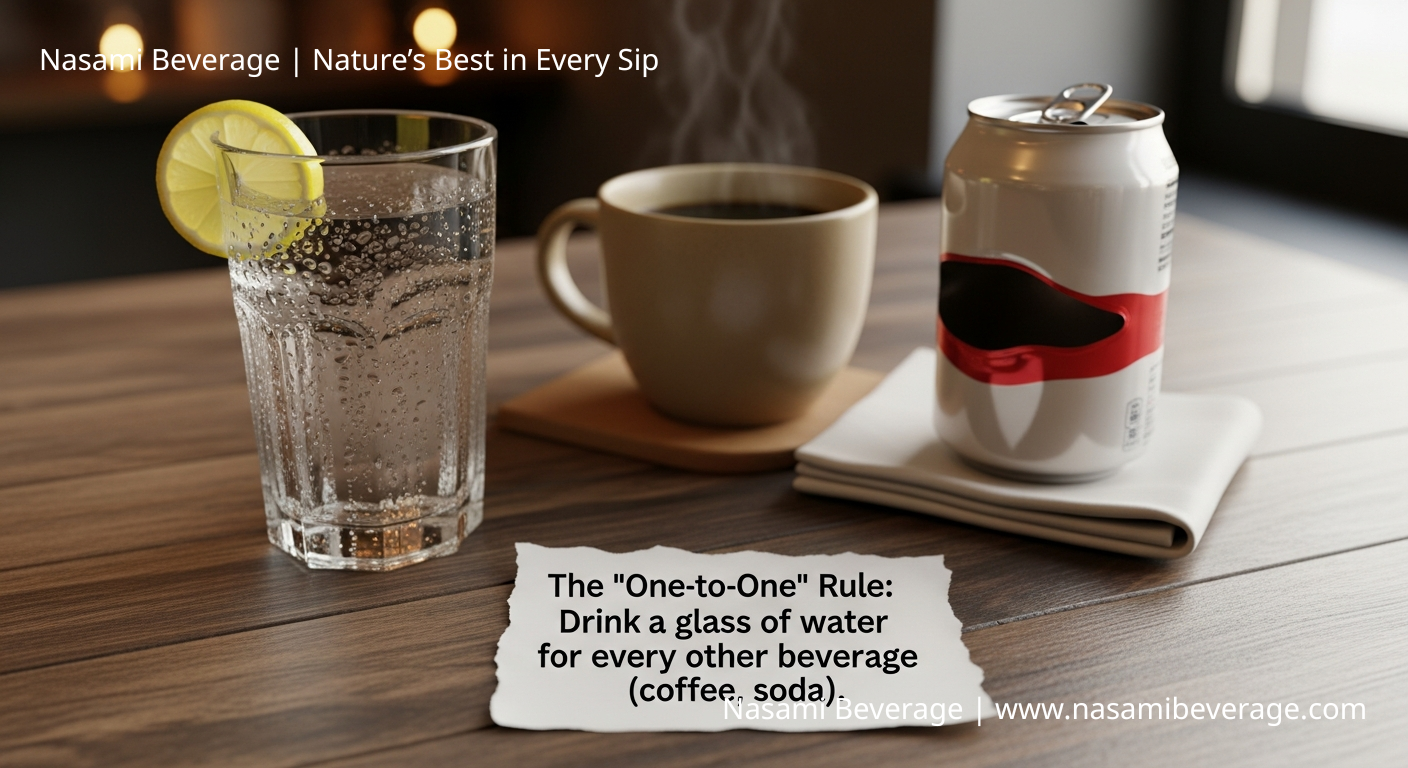
The ‘One-to-One’ Rule: Drink a glass of water for every other beverage (coffee, soda).
For every cup of coffee, soda, or alcoholic beverage you drink, follow it up with a glass of water.
This not only helps counteract the dehydrating effects of some of these drinks but also adds a significant amount of water to your daily total, addressing the issue of not drinking enough water.

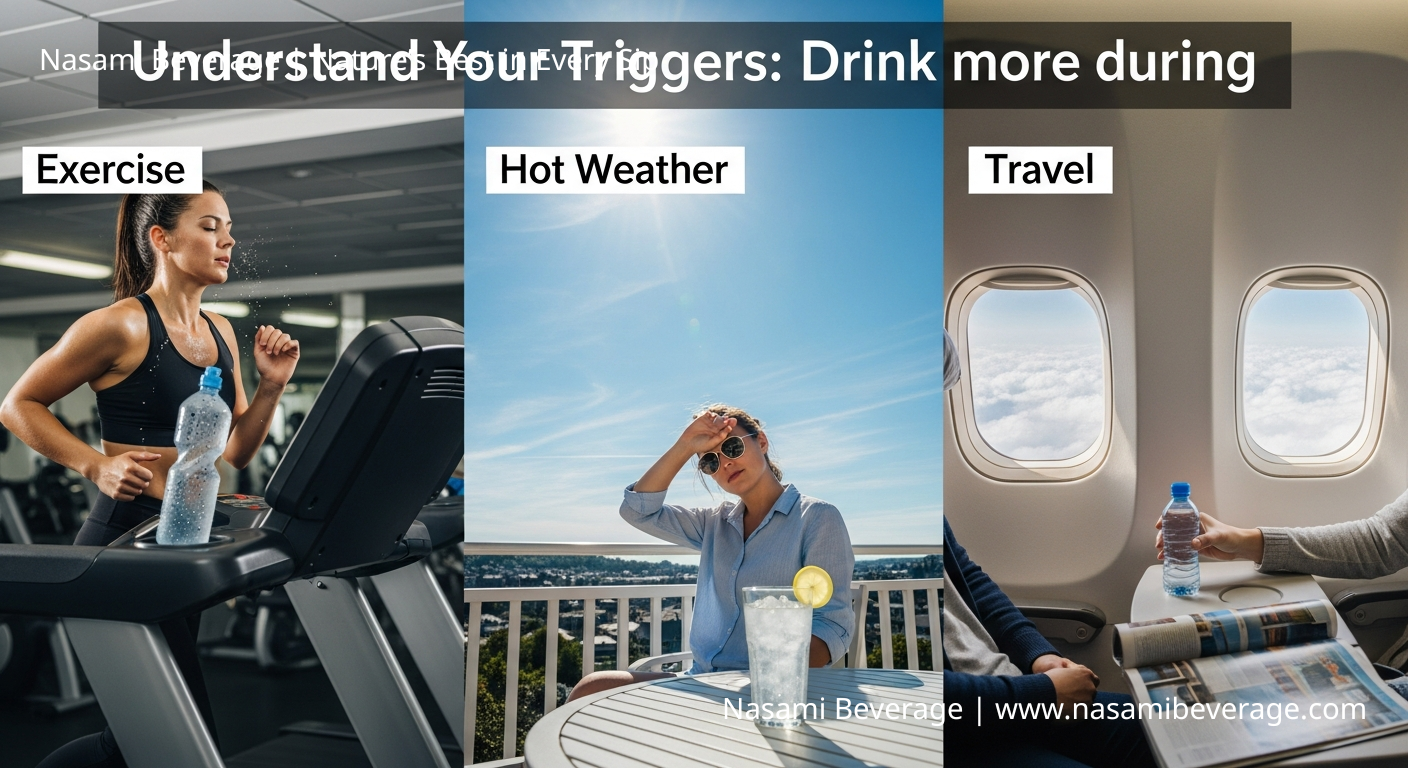
Understand Your Triggers: Drink more during exercise, hot weather, or travel.
Be mindful of situations that increase your fluid needs. Make a conscious effort to drink extra water before, during, and after exercise.
When you’re in hot weather, be proactive to avoid heat exhaustion. Travel, especially by air, can also be very dehydrating, so keep your water bottle full.
When Dehydration Becomes a Medical Concern
While mild dehydration can often be corrected by simply drinking more fluids, severe dehydration symptoms require immediate medical attention. The problem of not drinking enough water can sometimes escalate into a serious health issue.
Seek medical help if you or someone else experiences:
- Extreme thirst and a very dry mouth
- Confusion, delirium, or irritability
- Dizziness or lightheadedness that prevents standing or walking
- Rapid heartbeat or rapid breathing
- Sunken eyes and a lack of tears
- Fainting or loss of consciousness
These symptoms can indicate a severe electrolyte imbalance and require professional intervention to restore the body’s fluid balance safely.
Conclusion
Recognizing the signs of not drinking enough water is the most important step towards better health. From brain fog to poor skin health, the impact of dehydration is far-reaching.

By understanding your personal hydration needs and implementing simple, practical strategies, you can easily improve your water intake and reap the incredible benefits of hydration.
Prioritizing this fundamental aspect of health is a simple yet powerful investment in your long-term vitality. At Nasami Beverage, we are passionate about promoting healthy hydration habits for a vibrant life.
Remember, your body thrives on water, and addressing the common issue of not drinking enough water can transform how you feel every single day.
Follow NasamiBeverage on social media
- Pinterest: pinterest.com/nasamibeveragestz/
- Youtube: @Nasamibeveragecom