Have you ever experienced that sticky, uncomfortable feeling in your mouth, a sensation that even a quick sip of water can’t seem to shake? This common issue, often dismissed as a minor annoyance, is frequently a direct signal from your body.
The critical connection between dry mouth dehydration is one of the most fundamental yet overlooked aspects of personal health. When your body lacks sufficient fluids, saliva production is one of the first processes it curtails, leading to that tell-tale parched feeling.
Understanding this link is the first step toward better hydration, improved oral health, and overall well-being. This comprehensive guide will explore the causes, symptoms, and effective solutions for managing dry mouth dehydration.
Disclaimer: This information is for educational purposes only and does not replace professional medical or veterinary advice. Always consult a qualified professional before making decisions related to your health or your pet’s health.
What Exactly Is Dry Mouth (Xerostomia)?
Dry mouth, medically known as xerostomia, is a condition where the salivary glands in your mouth do not produce enough saliva to keep your mouth wet. Saliva is more than just water; it’s a crucial component of your oral health.
It helps neutralize acids produced by bacteria, limits bacterial growth, and washes away food particles. When saliva production decreases, it can lead to significant discomfort and health issues, from difficulty swallowing to an increased risk of cavities and bad breath (halitosis).
While various factors can cause xerostomia, one of the most prevalent and treatable causes is a state of dry mouth dehydration, where the body simply doesn’t have enough fluid to allocate to the salivary glands. Recognizing the link to dry mouth dehydration is key to addressing the root problem.

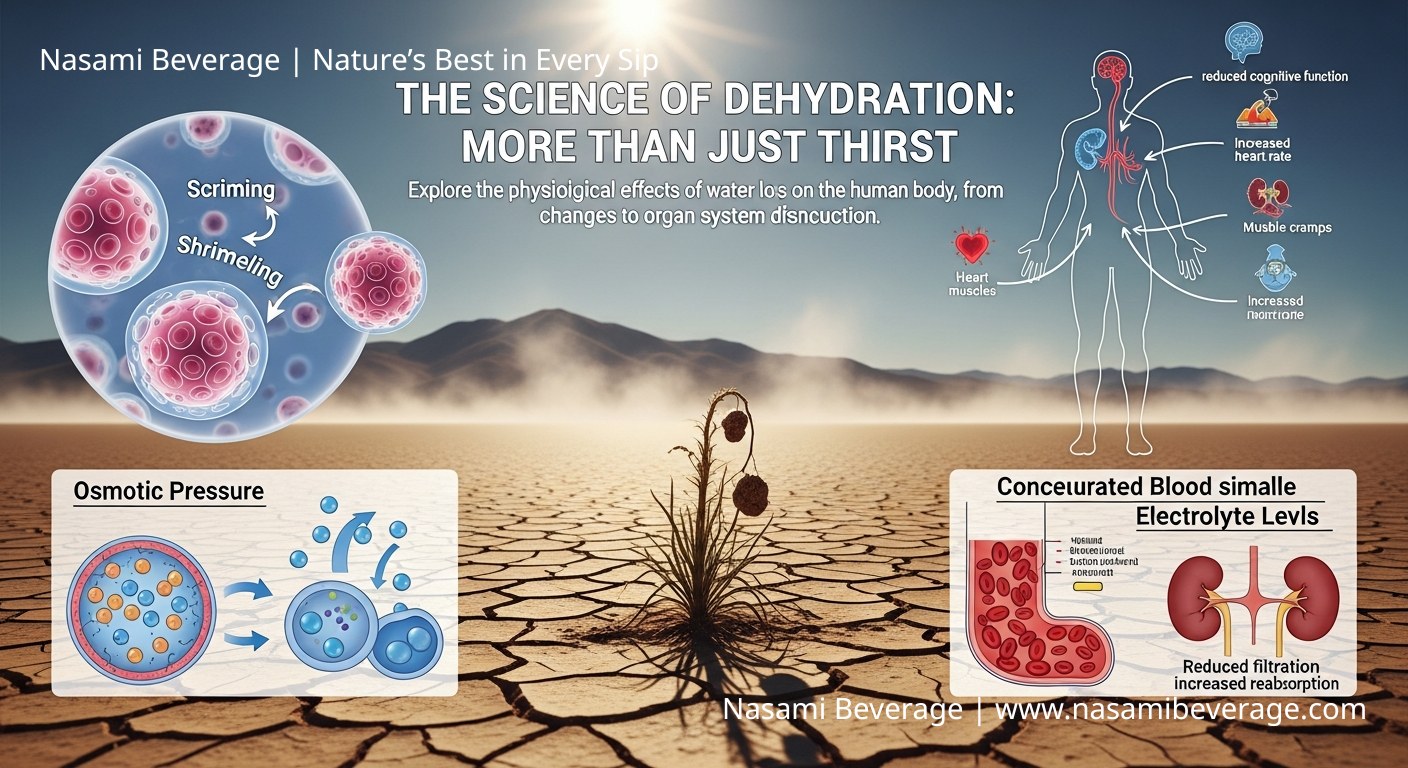
The Science of Dehydration: More Than Just Thirst
Dehydration occurs when you lose more fluid than you take in, and your body doesn’t have enough water and other fluids to carry out its normal functions. While thirst is the most obvious signal, the physiological response begins much earlier.
Your body enters a state of conservation, prioritizing fluid for essential organs like the brain and heart. This means non-critical functions, such as ample saliva production, are reduced. This direct cause-and-effect relationship is the core of dry mouth dehydration.
Furthermore, significant fluid loss can lead to an electrolyte imbalance, further stressing the body’s systems. Consistent and adequate fluid intake is essential to prevent this chain reaction. The problem of dry mouth dehydration is a clear indicator that your body’s water consumption levels are dangerously low.
Are You Dehydrated? Key Symptoms to Watch For
The feeling of a dry mouth is often the first and most noticeable symptom, but it’s rarely the only one. Your body sends out a variety of signals when it’s in a state of dry mouth dehydration.
Paying attention to these can help you act quickly to rehydrate and prevent more serious complications like heat exhaustion. For a deeper look into the various alerts your body sends, you can review the common Signs of Dehydration.
Key symptoms that frequently accompany dry mouth dehydration include:
- Increased Thirst: The most direct signal that your fluid intake is insufficient.
- Dark Urine Color: Healthy hydration results in pale yellow urine; dark yellow or amber is a classic sign of dehydration.
- Fatigue and Dizziness: Lack of fluid can impact blood pressure and energy levels.
- Cracked Lips: The sensitive skin on your lips is often one of the first places to show a lack of moisture.
- Reduced Urination: The body holds onto fluid when it’s dehydrated.

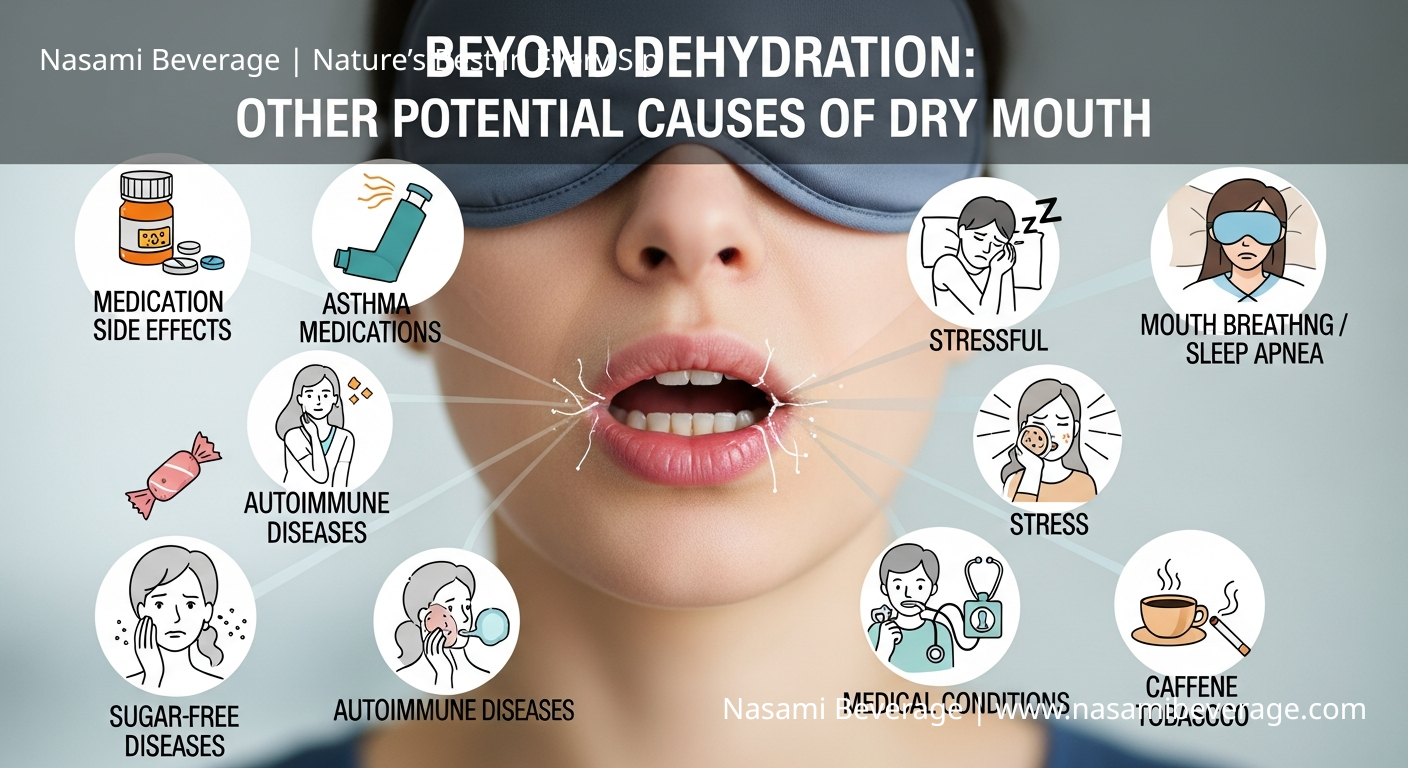
Beyond Dehydration: Other Potential Causes of Dry Mouth
While the link between dry mouth dehydration is powerful and common, it’s important to acknowledge that other factors can contribute to xerostomia.
A persistent or chronic dry mouth that doesn’t improve with increased fluid intake may be related to an underlying issue.
Some other potential causes include:
- Medication Side Effects: Hundreds of medications, including those for depression, anxiety, and high blood pressure, list dry mouth as a common side effect.
- Medical Conditions: Diseases like Sjögren’s syndrome, an autoimmune disorder, directly attack the glands that produce saliva and tears. Diabetes and HIV/AIDS can also cause dry mouth.
- Nerve Damage: Injury or surgery that causes nerve damage to the head and neck area can affect the function of salivary glands.
- Lifestyle: Smoking or chewing tobacco can impact saliva production and aggravate dry mouth symptoms.
Even with these possibilities, investigating dry mouth dehydration as the primary culprit is always a logical first step due to its high prevalence.
How to Treat Dry Mouth Caused by Dehydration
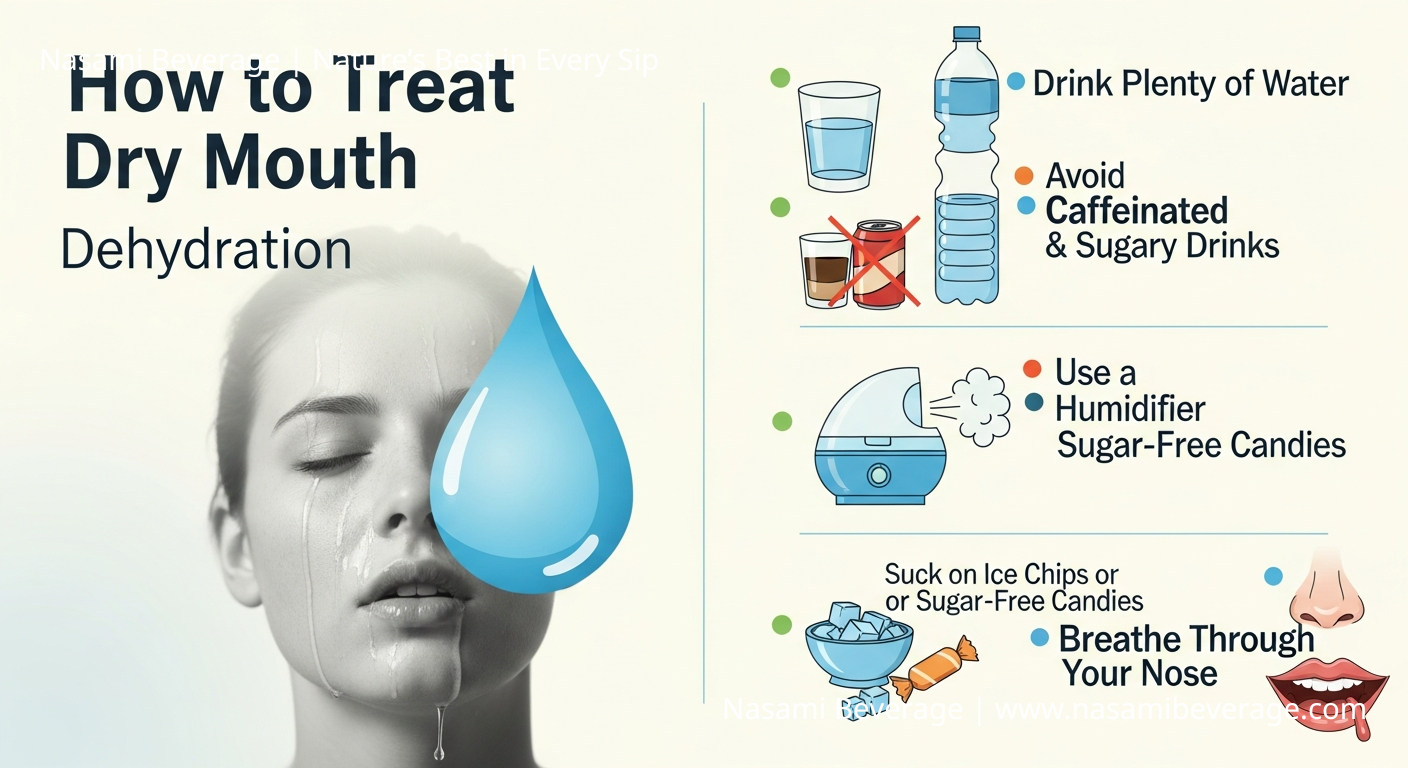
Treating dry mouth dehydration is straightforward: you need to replenish your body’s fluid levels.
The goal is not just to wet your mouth temporarily but to rehydrate your entire system so that your salivary glands can resume normal function.
Here are the most effective steps:
- Drink Water Immediately: Sip small amounts of water consistently throughout the day rather than chugging large quantities at once.
- Use an Electrolyte-Rich Beverage: When you’re significantly dehydrated, you lose electrolytes as well as water. A beverage like coconut water can help restore this balance more effectively than plain water alone.
- Chew Sugar-Free Gum or Suck on Sugar-Free Candy: This can stimulate saliva flow and provide temporary relief.
- Avoid Dehydrating Substances: Limit your intake of caffeine, alcohol, and salty foods, as they can worsen the effects of dry mouth dehydration.
- Maintain Good Oral Hygiene: Brush and floss regularly to prevent cavities, which you are more susceptible to when experiencing dry mouth.
Prevention: Your Proactive Guide to Staying Hydrated
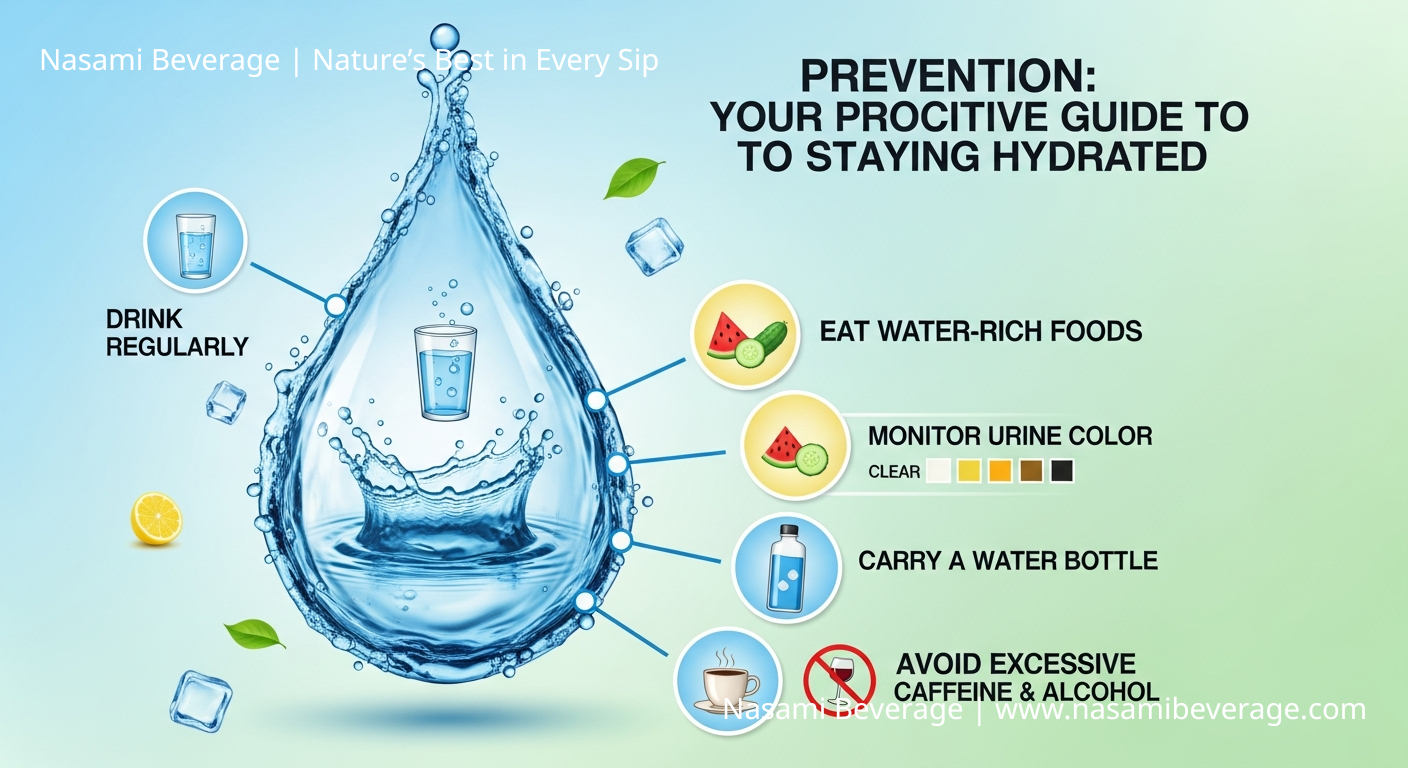
The best way to manage dry mouth dehydration is to prevent it from happening in the first place. This requires a proactive approach to your daily water consumption.
Many people simply fall into the habit of Not Drinking Enough Water, setting the stage for chronic, low-level dehydration.
Follow these tips to stay ahead of thirst:
- Carry a Reusable Water Bottle: Keep water with you at all times as a constant visual reminder to drink.
- Eat Water-Rich Foods: Incorporate fruits and vegetables like watermelon, cucumber, and strawberries into your diet.
- Set Reminders: Use your phone or a smart watch to set hourly reminders to take a few sips of water.
- Drink Before You Feel Thirsty: Thirst is a sign that dehydration has already begun. Make a habit of drinking regularly, especially before, during, and after exercise.
- Monitor Your Urine: Use urine color as a simple and effective gauge of your hydration status.
When Should You See a Doctor?
In most cases, dry mouth dehydration can be resolved at home with increased fluid intake. However, there are times when medical attention is necessary. If your dry mouth is severe, persistent, and doesn’t improve after several days of diligent rehydration, it’s time to consult a healthcare professional.
You should also seek medical advice if your chronic dry mouth is accompanied by other symptoms, such as difficulty swallowing, sores in your mouth, or symptoms of Sjögren’s syndrome like dry eyes.
A doctor can help determine if an underlying condition or medication is the cause and recommend appropriate treatment. Never ignore persistent symptoms of dry mouth dehydration.
Conclusion
The connection between dry mouth dehydration is a fundamental signal your body uses to communicate its need for fluids. By learning to recognize this and other symptoms of dehydration, you can take simple yet powerful steps to restore balance, protect your oral health, and enhance your overall vitality.
Proactive hydration is not just about quenching thirst; it’s about maintaining the intricate systems that keep you healthy and energized. By making conscious choices, from carrying a water bottle to choosing hydrating drinks, you invest in your long-term wellness.
For those looking for effective and refreshing hydration solutions, products from a quality provider like Nasami Beverage can be an excellent part of a healthy hydration strategy, helping you effectively combat dry mouth dehydration.
Follow NasamiBeverage on social media
- Pinterest: pinterest.com/nasamibeveragestz/
- Youtube: @Nasamibeveragecom