Waking up in the middle of the night parched, with a dry mouth and a desperate need for water, is a common experience. While it may seem like a minor annoyance, it’s often a clear signal of dehydration at night.
This phenomenon is more than just inconvenient; it can significantly impact your sleep quality and overall health. Understanding the causes, recognizing the symptoms, and learning how to prevent dehydration at night is crucial for maintaining your well-being.
This comprehensive guide will explore everything you need to know about tackling dehydration at night to ensure you wake up refreshed and properly hydrated.
Disclaimer: This information is for educational purposes only and does not replace professional medical or veterinary advice. Always consult a qualified professional before making decisions related to your health or your pet’s health.
What Causes Dehydration While You Sleep?
You might assume that since you’re not active, you shouldn’t be losing fluids while you sleep. However, your body is constantly working, and several factors contribute to dehydration at night.
One of the primary reasons is simply insufficient fluid intake during the day. If you start the night already in a state of mild dehydration, the natural fluid loss during sleep will only worsen the situation. This is a common consequence of not drinking enough water to meet your body’s daily needs.
Furthermore, your body loses water through respiration (breathing) and perspiration (sweating). If your bedroom is too warm or you experience night sweats, this fluid loss can accelerate, leading to significant dehydration at night.
Another major contributor is mouth breathing. Breathing through your mouth, often due to congestion or sleep apnea, causes much more moisture to evaporate than breathing through your nose.
Hormones also play a role. A hormone called vasopressin helps your body retain water by reducing urine output, and its levels naturally rise at night as part of your circadian rhythm. However, factors like consuming alcohol before bed can suppress this hormone, increasing urination and contributing to dehydration at night.

Are You Dehydrated? Recognizing the Symptoms
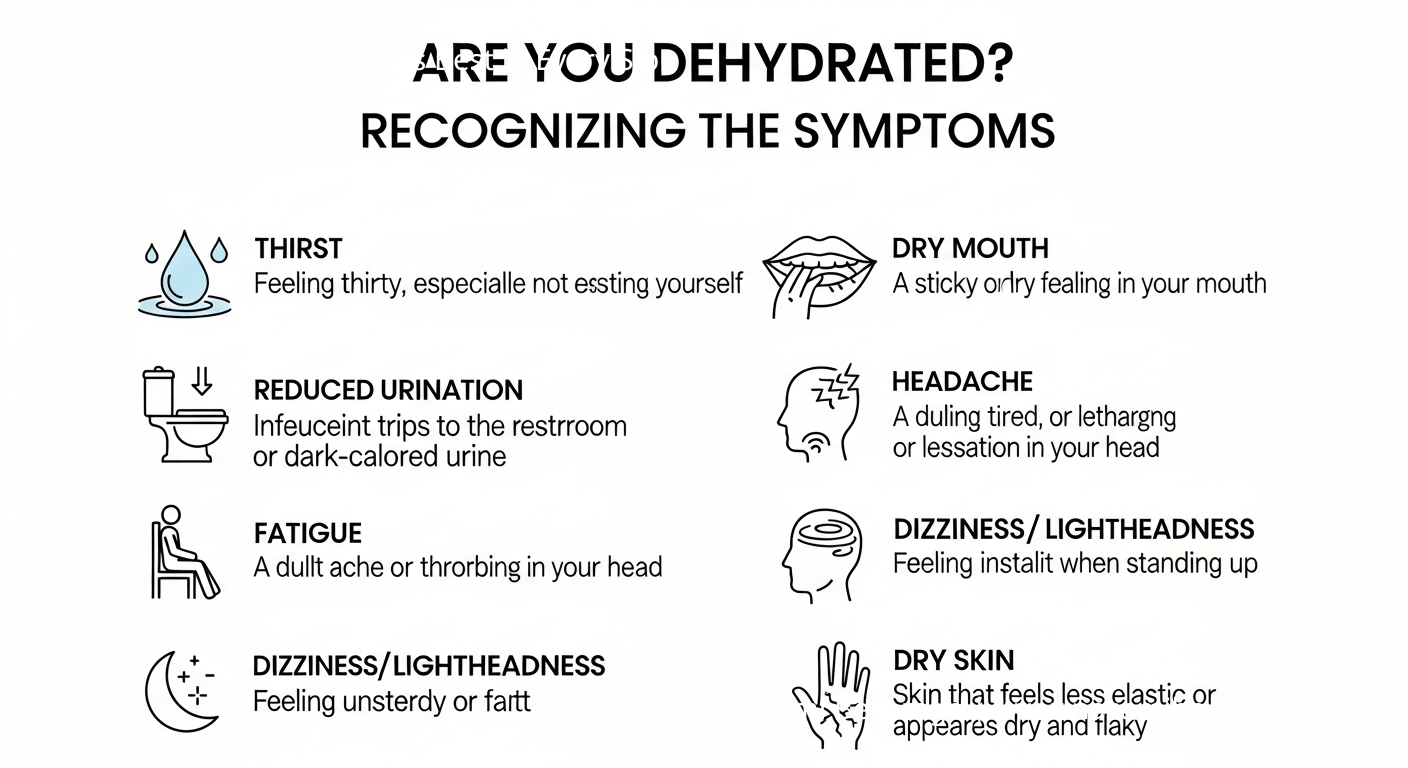
Recognizing the signs of nighttime dehydration is the first step toward addressing it. The symptoms can range from subtle to severe, often appearing as you wake up. Paying attention to these signals is essential for managing your hydration levels.
The most obvious indicators are intense thirst and waking up with a severely dry, sticky mouth, a classic symptom known as dry mouth dehydration. Another key sign is your urine color first thing in the morning; dark yellow or amber urine suggests your body is conserving water and you are likely dehydrated.
Waking up with a dull, throbbing headache is another common complaint directly linked to fluid loss. This headache dehydration occurs as brain tissue can temporarily shrink from a lack of fluid. Similarly, feeling unusually tired or groggy upon waking, a condition often described as morning fatigue, can be a direct result of dehydration at night.
This can easily be mistaken for a poor night’s sleep, but it could be your body’s cry for fluids, and is a form of fatigue dehydration.
For a more comprehensive overview, you can review the various Signs of Dehydration that might appear.
The Impact of Nightly Dehydration on Your Health and Sleep
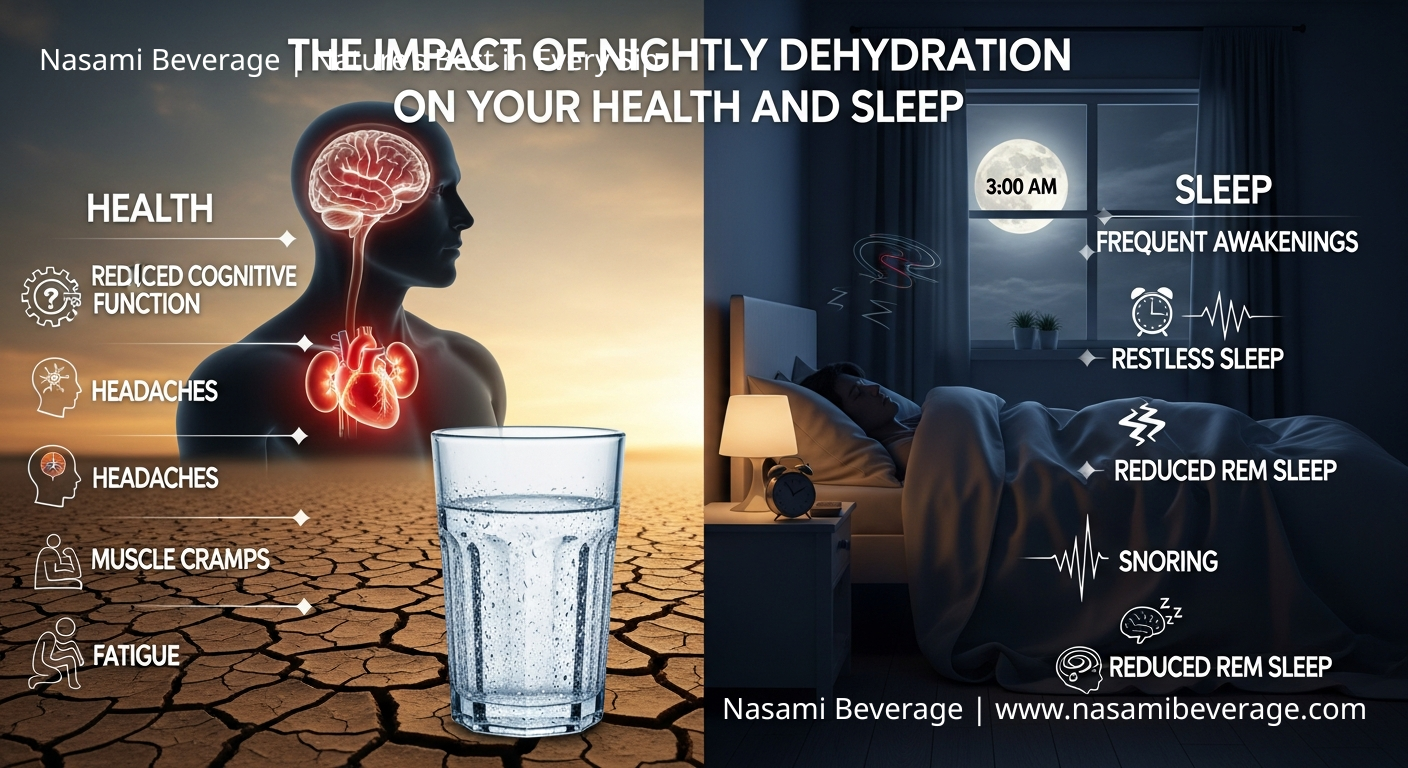
The consequences of consistent dehydration at night extend beyond morning discomfort. This condition can have a significant negative impact on both your immediate and long-term health.
First and foremost, it disrupts your sleep quality. Waking up frequently due to thirst or a dry mouth breaks your natural sleep cycles, preventing you from reaching the deeper, more restorative stages of sleep. This interruption can lead to daytime sleepiness, irritability, and poor concentration.
Over time, chronic dehydration can lead to more serious health issues. It puts a strain on your kidneys and can increase the risk of developing kidney stones. It also affects your cardiovascular system, as your heart has to work harder to pump blood when your blood volume is lower due to a lack of fluids.
A proper fluid balance is critical for every system in your body, from regulating body temperature to lubricating joints. A persistent state of dehydration at night can also lead to an electrolyte imbalance, which can cause muscle cramps and affect nerve function.
Your Action Plan: How to Prevent Dehydration at Night
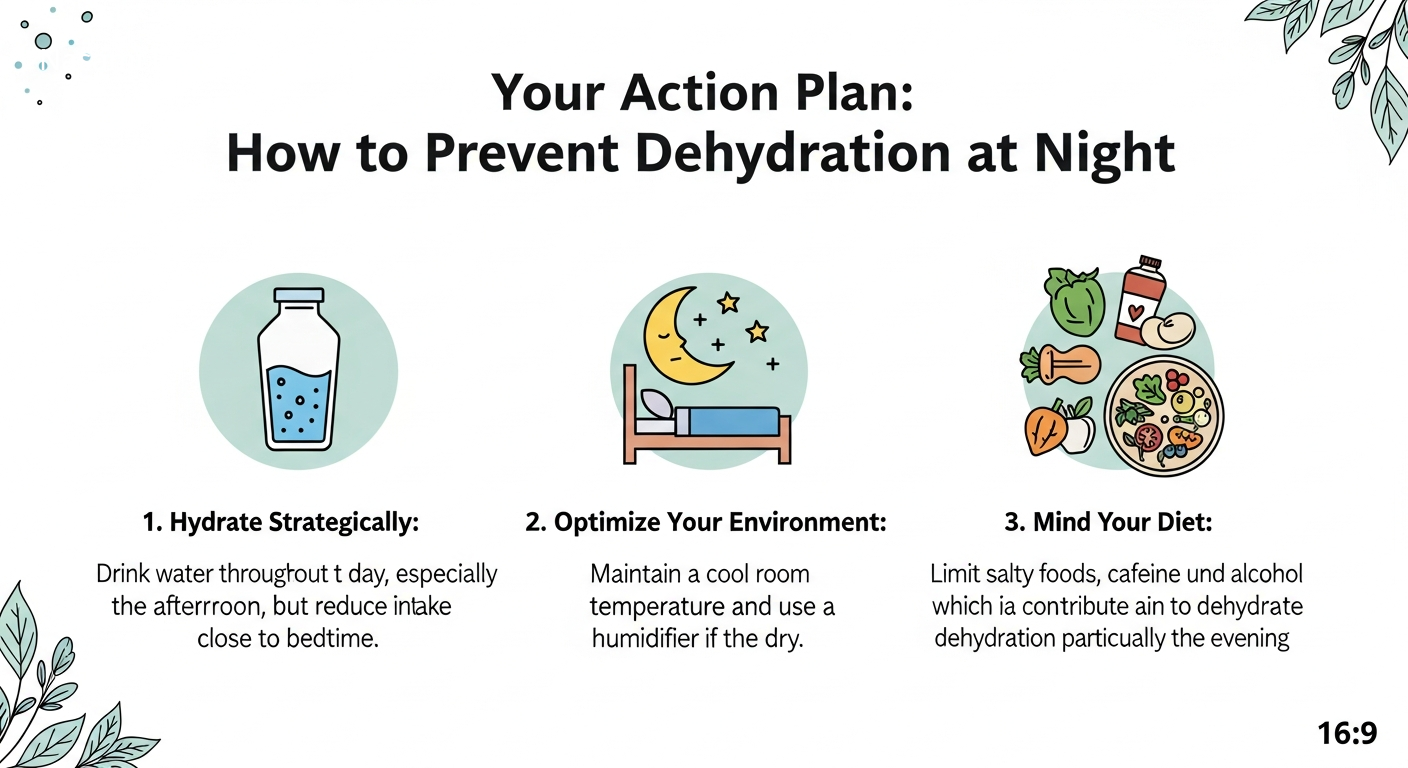
Fortunately, preventing dehydration at night is achievable with a few strategic lifestyle adjustments. By focusing on consistent hydration and optimizing your evening routine, you can ensure your body stays balanced throughout the night.
Hydrate Consistently During the Day: The best defense against dehydration at night is proper daytime hydration. Don’t wait until you feel thirsty. Sip water steadily throughout the day. Aiming to stop heavy fluid intake an hour or two before bed can help prevent nocturia (waking up to urinate).
Balance with Electrolytes: Sometimes, water alone isn’t enough, especially if you’ve been exercising or sweating a lot. An electrolyte imbalance can contribute to dehydration symptoms. Incorporating drinks that replenish these vital minerals can be highly effective. For a natural and refreshing option, consider adding coconut water to your routine, as it’s rich in potassium and other essential electrolytes.
Optimize Your Sleep Environment: Create a bedroom environment that minimizes fluid loss. Keep the room at a cool, comfortable temperature to reduce sweating. If the air in your home is dry, especially during winter, using a humidifier can add moisture back into the air, reducing the dehydrating effects of mouth breathing.
Improve Your Sleep Hygiene: What you do in the hours before bed matters. Avoid diuretics like alcohol and caffeine in the evening, as they increase urine production. Be mindful of salty or sugary snacks that can increase your body’s need for water. These practices are a key part of good sleep hygiene.
When Should You See a Doctor?
While most cases of dehydration at night can be managed with lifestyle changes, persistent symptoms could indicate an underlying medical issue that needs attention.
You should consult a healthcare professional if you consistently wake up severely dehydrated despite making changes to your diet and routine. If your dehydration at night is accompanied by symptoms like extreme fatigue, confusion, dizziness, a rapid heartbeat, or the inability to urinate, it’s important to seek medical advice.
Conditions such as undiagnosed diabetes, kidney problems, or sleep apnea (which often causes heavy mouth breathing) can manifest as chronic dehydration. A doctor can help diagnose the root cause and recommend an appropriate treatment plan to address both the underlying condition and the resulting dehydration at night.

Conclusion
Dehydration at night is a common but preventable issue that can significantly affect your sleep and overall health. By understanding its causes-from inadequate fluid intake to environmental factors-and recognizing its symptoms like thirst, morning fatigue, and headaches, you can take proactive steps to maintain a healthy fluid balance.
Implementing a smart hydration strategy throughout the day, optimizing your sleep environment, and making mindful evening choices are key to preventing dehydration at night.
Prioritizing your oral hydration is a cornerstone of good health and a prerequisite for a restful night. For those looking to enhance their hydration strategy with high-quality options, exploring products from a trusted source like Nasami Beverage can be a great step toward achieving optimal wellness.
Follow NasamiBeverage on social media
- Pinterest: pinterest.com/nasamibeveragestz/
- Youtube: @Nasamibeveragecom