That dull, throbbing pain in your head can ruin your day, but its cause might be simpler than you think. Often, the culprit isn’t stress or lack of sleep, but something more fundamental: dehydration. A headache dehydration is your body’s potent alarm system, signaling that it needs more fluids to function correctly.
This comprehensive guide will explore the mechanics behind a headache dehydration, how to identify its unique symptoms, and the most effective ways to find fast relief and prevent its return.
Understanding the powerful connection between hydration and head pain is the first step toward taking control and feeling your best. A headache dehydration is highly preventable, and this article will show you how.
Disclaimer: This information is for educational purposes only and does not replace professional medical or veterinary advice. Always consult a qualified professional before making decisions related to your health or your pet’s health.
Understanding the Link: How Dehydration Causes Headaches
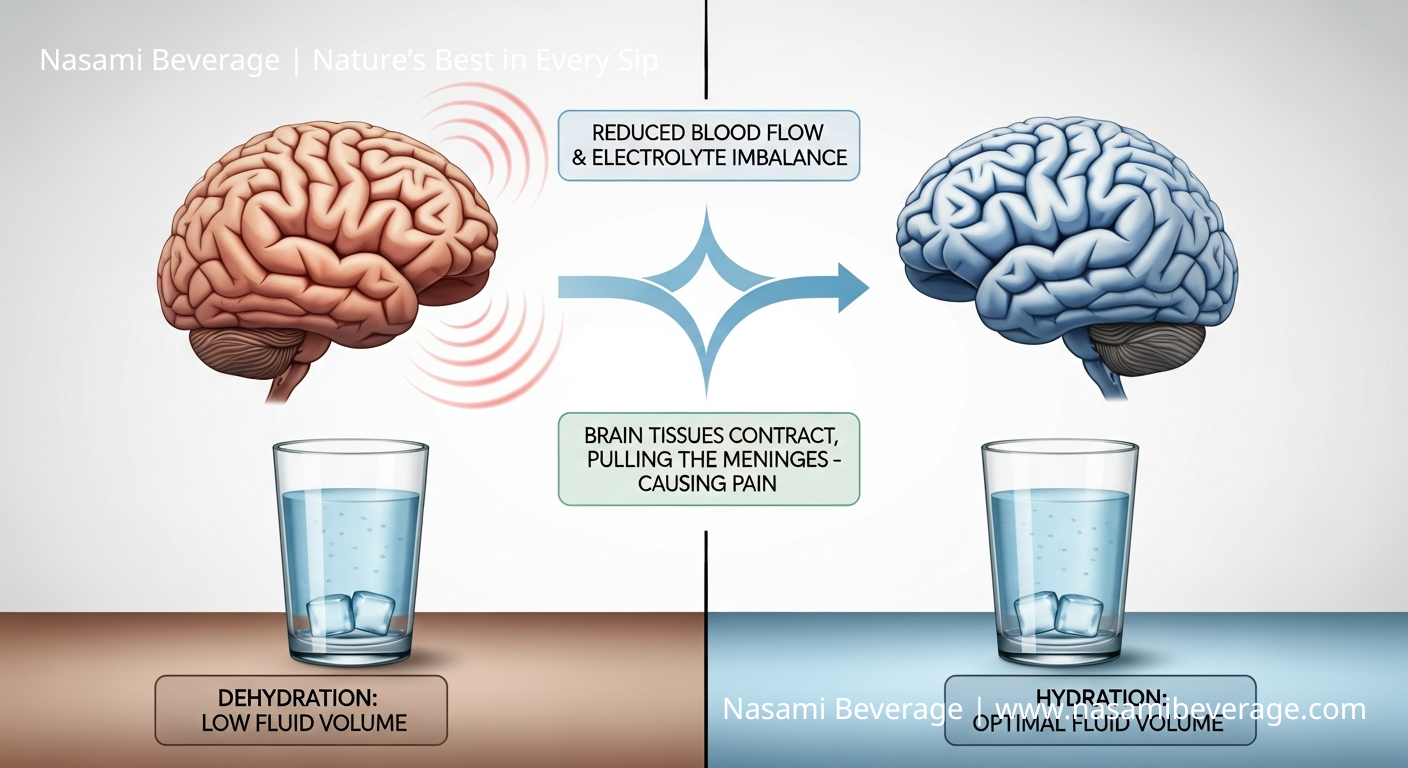
So, can dehydration cause headache? Absolutely. When your body doesn’t have enough water, a cascade of physiological events begins that can lead directly to a painful headache dehydration. The primary mechanism involves your brain and its surrounding structures.
Your brain is composed of about 75% water and floats in a protective layer of cerebrospinal fluid. When you become dehydrated, your body’s overall fluid balance is disrupted. This leads to a reduction in blood volume, which means less blood and oxygen flow to the brain.
In response, your brain can temporarily shrink or contract, pulling away from the skull. This movement puts pressure on the delicate membranes surrounding your brain, known as the meninges, which are equipped with sensitive pain receptors.
When these receptors are triggered, you experience the distinct, nagging pain of a headache dehydration. This is a clear dehydration reaction from your body, a signal that immediate rehydration is necessary. A headache dehydration is a direct consequence of this internal fluid loss.
Are You Dehydrated? Key Symptoms of a Dehydration Headache
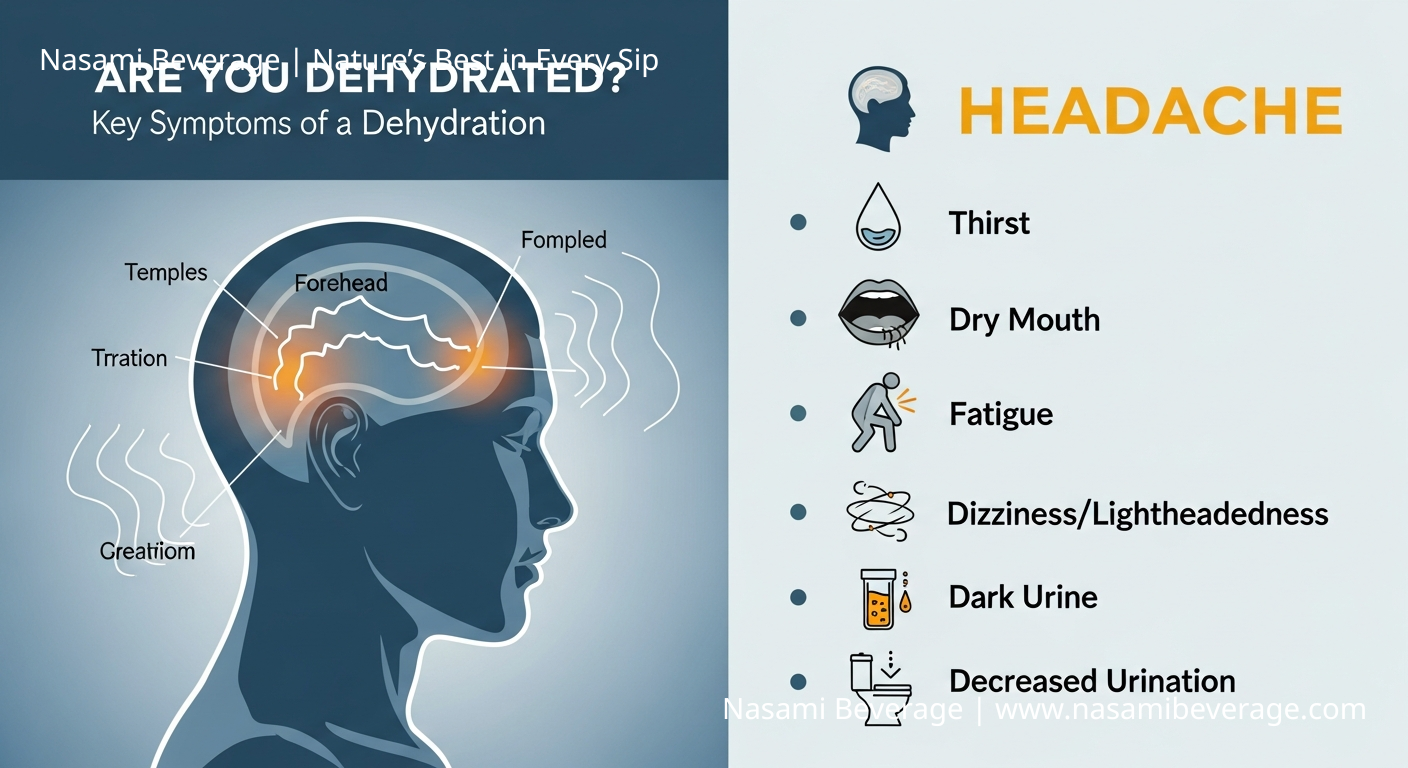
A headache dehydration can feel different for everyone, but it often presents as a dull, aching pain that can be felt all over the head, rather than being isolated to one side.
The dehydration headache location is often described as being in the front, back, or on both sides of the head. The pain frequently worsens with physical activity, such as walking or bending over.
However, the headache itself is rarely the only clue. Your body will provide other Signs of Dehydration to alert you. Pay close attention to these accompanying signs and symptoms of dehydration:
- Increased Thirst: This is your body’s most obvious signal.
- Dry Mouth and Sticky Saliva: A classic sign of dry mouth dehydration that indicates your body is conserving fluids.
- Fatigue and Dizziness: Feeling unusually tired, weak, or lightheaded is a common symptom of fatigue dehydration.
- Dark-Colored Urine: Healthy urine is typically a pale straw color. Dark yellow or amber urine is a strong indicator you need to drink more water.
- Reduced Urination: Going to the bathroom less frequently is another sign your body is holding onto its water reserves.
- Muscle Cramps: A lack of fluid and electrolytes can cause muscles to contract painfully.
Recognizing these mild dehydration symptoms alongside the head pain is key to correctly identifying a headache dehydration.
Dehydration Headache vs. Migraine: How to Tell the Difference
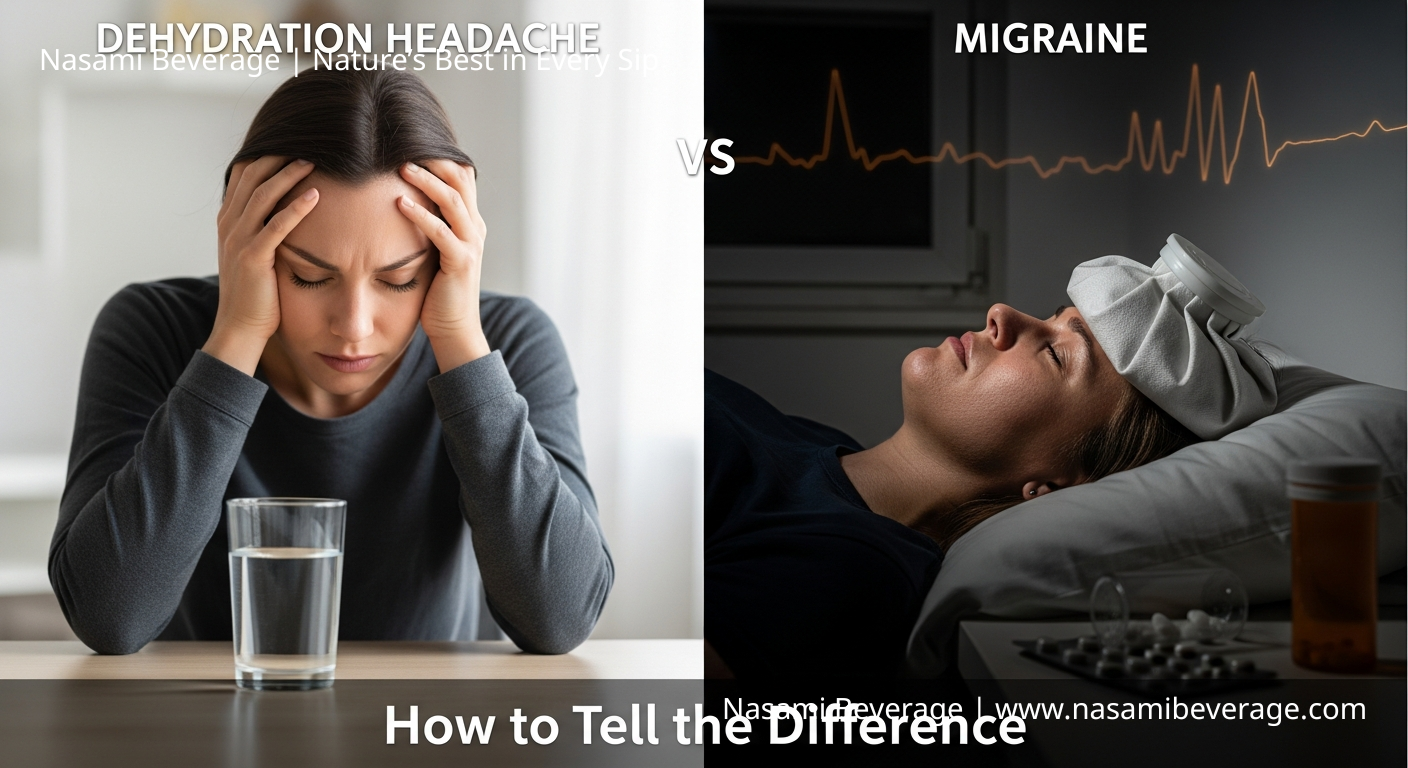
It’s easy to confuse a severe headache dehydration with migraine symptoms, but there are key differences.
A migraine is a neurological condition that often presents with a severe, pulsating or throbbing pain, typically on one side of the head. Migraines are also frequently accompanied by nausea, vomiting, and extreme sensitivity to light and sound.
In contrast, a headache dehydration usually features a more constant, dull ache that affects the entire head. While movement can make a headache dehydration worse, it doesn’t typically come with the severe sensory disturbances associated with a migraine.
The most significant differentiator is the response to rehydration. A headache dehydration will almost always begin to improve within a few hours of consuming fluids, whereas a migraine will not.
Fast and Effective Relief for Dehydration Headaches
When a headache dehydration strikes, you want relief, and you want it fast. The good news is that treatment is straightforward. The solution lies in addressing the root cause: the lack of fluid and electrolytes.
Step 1: Rehydrate with Water
The first and most critical step is to start drinking water. This addresses the core problem of Not Drinking Enough Water. Sip slowly and steadily rather than chugging a large amount at once, which can overwhelm your system.
Keep a glass or bottle of water with you and take small sips over the next hour or two. For most mild to moderate cases of headache dehydration, this is the most effective treatment.
Step 2: Replenish Lost Electrolytes
Sometimes, water alone isn’t enough, especially if you’ve been sweating heavily from exercise or heat. When you sweat, you lose essential minerals called electrolytes, like sodium and potassium. An electrolyte imbalance can contribute to the headache dehydration and other symptoms like fatigue and muscle weakness.
To replenish these, consider an oral rehydration solution or an electrolyte-enhanced drink from a quality provider like Nasami Beverage. You can also get electrolytes from water-rich foods like bananas, oranges, and spinach.
Step 3: Rest and Recover
Give your body time to absorb the fluids and restore its natural balance. Find a cool, quiet place to lie down and rest. Closing your eyes and avoiding strenuous activity can help alleviate the pain while your body works on rehydrating.
A cool compress applied to your forehead can also provide soothing relief from the pain of a headache dehydration.

Proactive Prevention: How to Avoid Dehydration Headaches
The best way to treat a headache dehydration is to prevent it from ever starting. Preventing headaches caused by fluid loss is a matter of forming consistent, healthy habits.
- Maintain Daily Water Intake: The most crucial step is to drink enough fluids throughout the day. Aim for 8-10 glasses of water, but you may need more if you’re active, in a hot climate, or feeling unwell.
- Eat Water-Rich Foods: Supplement your fluid intake by eating fruits and vegetables with high water content, such as watermelon, cucumber, strawberries, and celery.
- Monitor Your Urine Color: Use the color of your urine as a simple hydration gauge. Pale yellow means you’re well-hydrated; darker yellow means it’s time to drink up.
- Hydrate Before, During, and After Exercise: Don’t wait until you feel thirsty. Pre-hydrate before a workout and continue to sip fluids throughout and after to replace what you lose through sweat.
- Limit Diuretics: Be mindful of beverages that can cause you to lose fluid, such as alcohol and highly caffeinated drinks.

When Should You See a Doctor?
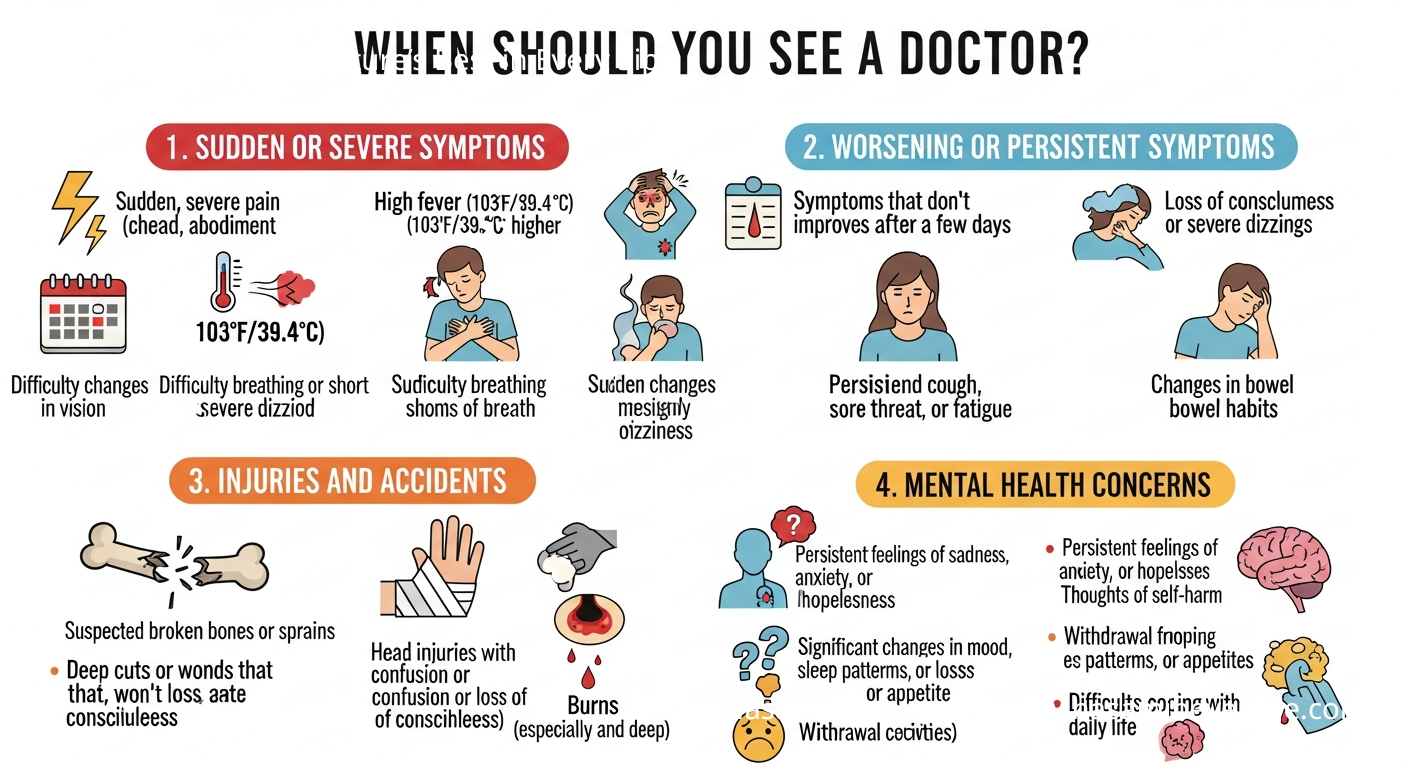
While most instances of headache dehydration can be managed at home, certain signs indicate a more severe problem that requires medical attention. Seek immediate medical care if your headache is accompanied by:
- Confusion or disorientation
- Fainting or loss of consciousness
- Rapid heartbeat or breathing
- Fever
- Seizures
- A headache that doesn’t improve or worsens after rehydrating for several hours
These can be signs of severe dehydration or another serious medical condition.
Frequently Asked Questions (FAQ)
How long does a dehydration headache last?
The duration of a headache dehydration can vary. For mild cases, the pain often starts to subside within 30 minutes to three hours after you begin rehydrating properly.
However, it can take longer for the headache to disappear completely as your body fully restores its fluid balance.
Can I just take a painkiller and ignore the dehydration?
Taking a painkiller might temporarily mask the pain of a headache dehydration, but it does not address the underlying cause.
Your body still needs fluids. Ignoring dehydration can lead to more severe complications. The most effective solution is to rehydrate.
Is coconut water good for a dehydration headache?
Yes, coconut water can be an excellent choice for a headache dehydration. It is naturally rich in electrolytes, including potassium and sodium, which helps your body rehydrate more effectively than water alone after significant fluid loss.
Does coffee cause or cure a headache?
This is a complex question. Coffee contains caffeine, which is a diuretic, meaning it can cause you to urinate more and potentially contribute to dehydration if consumed in large quantities.
However, for some people, caffeine can help alleviate headaches by constricting blood vessels. For a headache dehydration, it’s best to stick to water or an electrolyte drink first.
How can I tell if my child has a dehydration headache?
In addition to complaining of a headache, look for other signs of dehydration in a child. These include a dry mouth, sunken eyes, fewer wet diapers or trips to the bathroom, crying with no tears, and unusual drowsiness or irritability.
If you suspect your child has a headache dehydration, encourage them to drink fluids and consult a pediatrician if symptoms are severe or don’t improve.
Follow NasamiBeverage on social media
- Pinterest: pinterest.com/nasamibeveragestz/
- Youtube: @Nasamibeveragecom