Feeling perpetually drained, even after a full night’s sleep? Before you blame your busy schedule or reach for another cup of coffee, consider a simpler culprit: your water bottle.
The link between how much you drink and how tired you feel is incredibly strong, a phenomenon known as fatigue dehydration.
This condition is more than just feeling thirsty; it’s a systemic energy drain that can impact your physical and mental performance. Understanding the pervasive effects of fatigue dehydration is the first step toward reclaiming your vitality and energy.
Disclaimer: This information is for educational purposes only and does not replace professional medical or veterinary advice. Always consult a qualified professional before making decisions related to your health or your pet’s health.
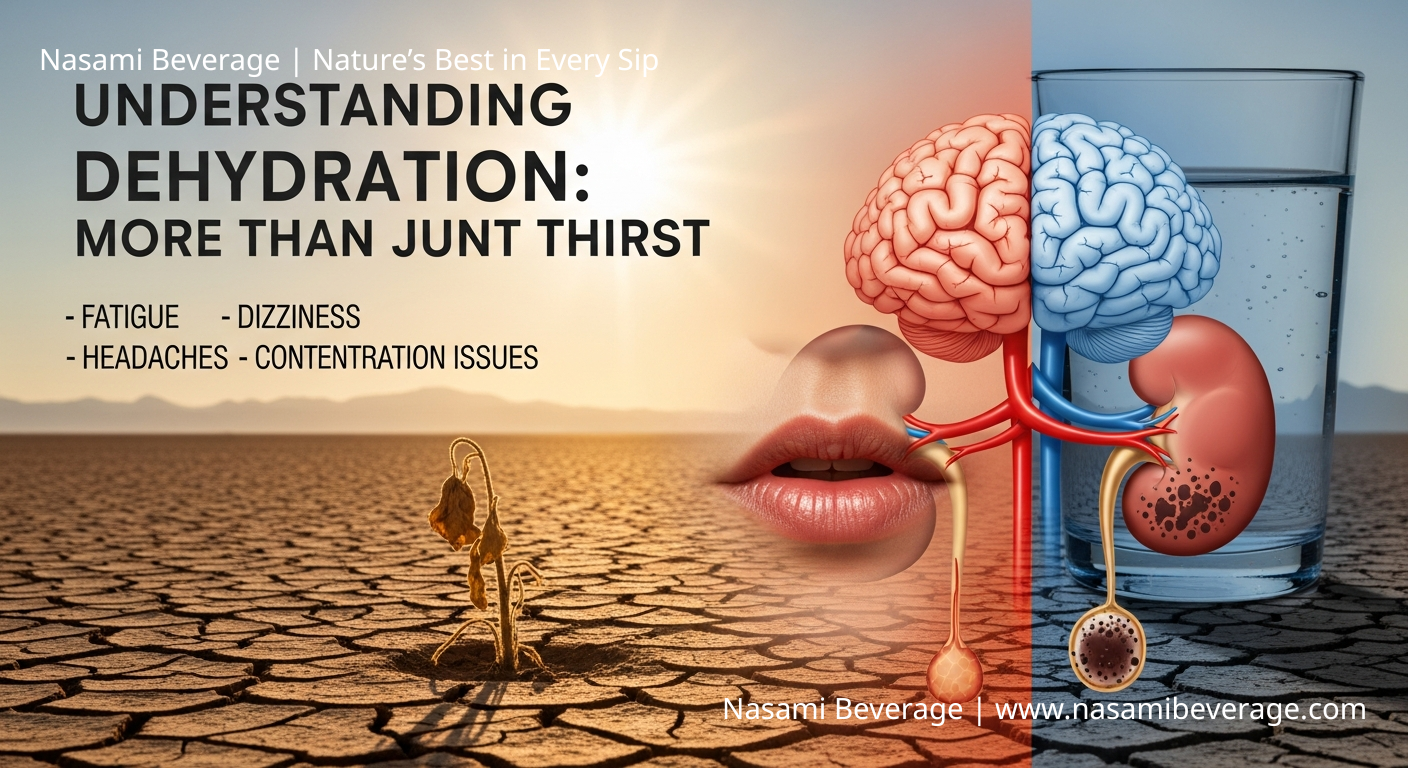
Understanding Dehydration: More Than Just Thirst
Many people believe thirst is the first sign of dehydration, but by the time you feel thirsty, your body is already in a state of water deficit. Dehydration occurs when you lose more fluid than you take in, disrupting your body’s delicate fluid balance.
This water loss doesn’t just happen through sweating on a hot day; it occurs constantly through breathing, urinating, and other basic bodily functions. When this balance is thrown off, every system in your body feels the strain, leading directly to the profound exhaustion characteristic of fatigue dehydration.
Ignoring these early signals can escalate the issue, making it much harder to recover your energy levels.
The Science: How Does Dehydration Cause Fatigue?
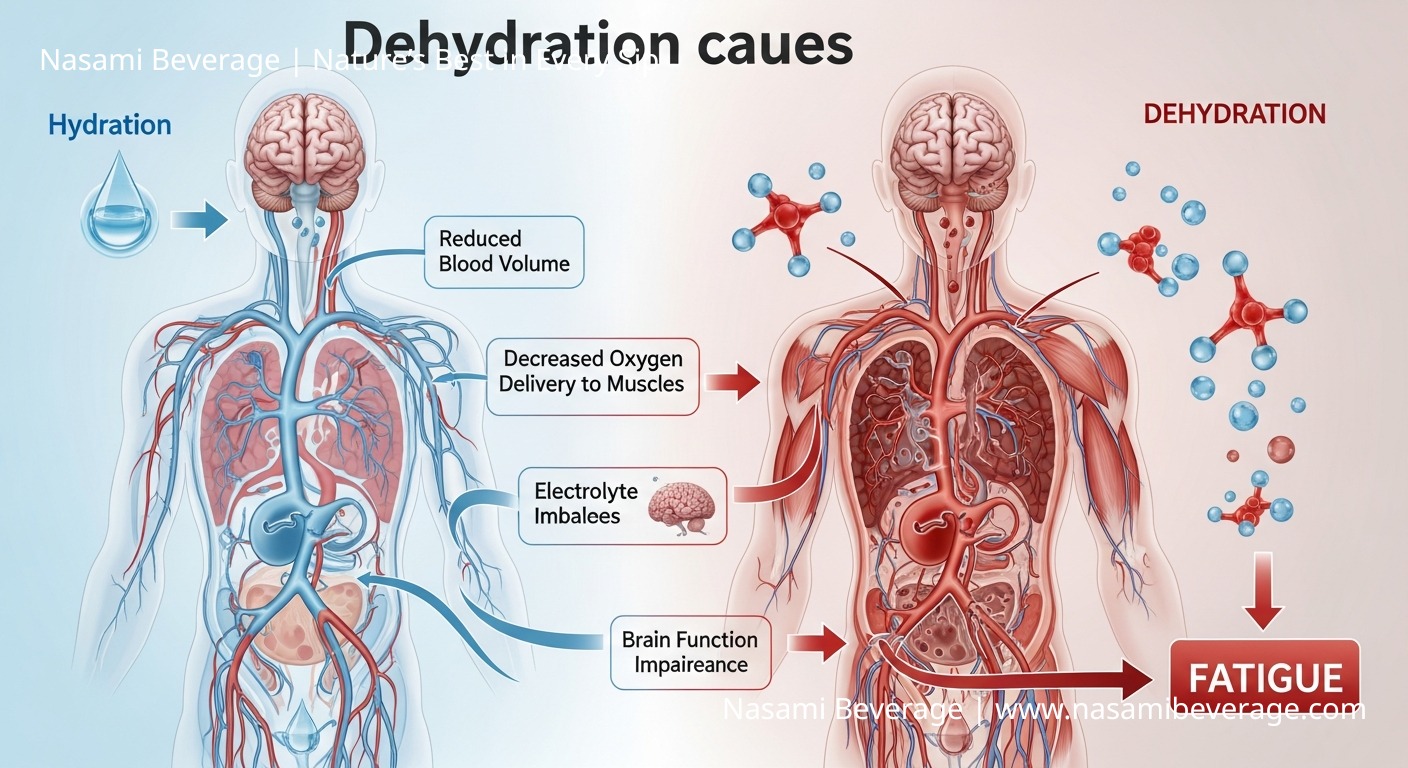
The connection between low water levels and low energy is grounded in clear physiological science. The experience of fatigue dehydration isn’t just “in your head”; it’s a direct result of your body working overtime to compensate for a lack of fluid.
First, dehydration reduces your blood volume. When you’re low on water, your blood becomes more concentrated and thicker. This forces your heart to pump harder to circulate blood throughout your body, which can affect your blood pressure and requires a significant amount of energy. This cardiovascular strain is a primary cause of lethargy and physical tiredness.
Second, your brain is highly sensitive to your hydration status. Even mild dehydration can impair cognitive function, leading to symptoms like brain fog, difficulty concentrating, and short-term memory lapses. This mental sluggishness is a key component of fatigue dehydration.
Finally, water is crucial for muscle function. Inadequate hydration can lead to muscle weakness and cramping, as it disrupts the flow of nutrients and the balance of electrolytes like sodium and potassium, making even simple physical activities feel exhausting.
Are You Dehydration-Tired? Key Symptoms to Watch For
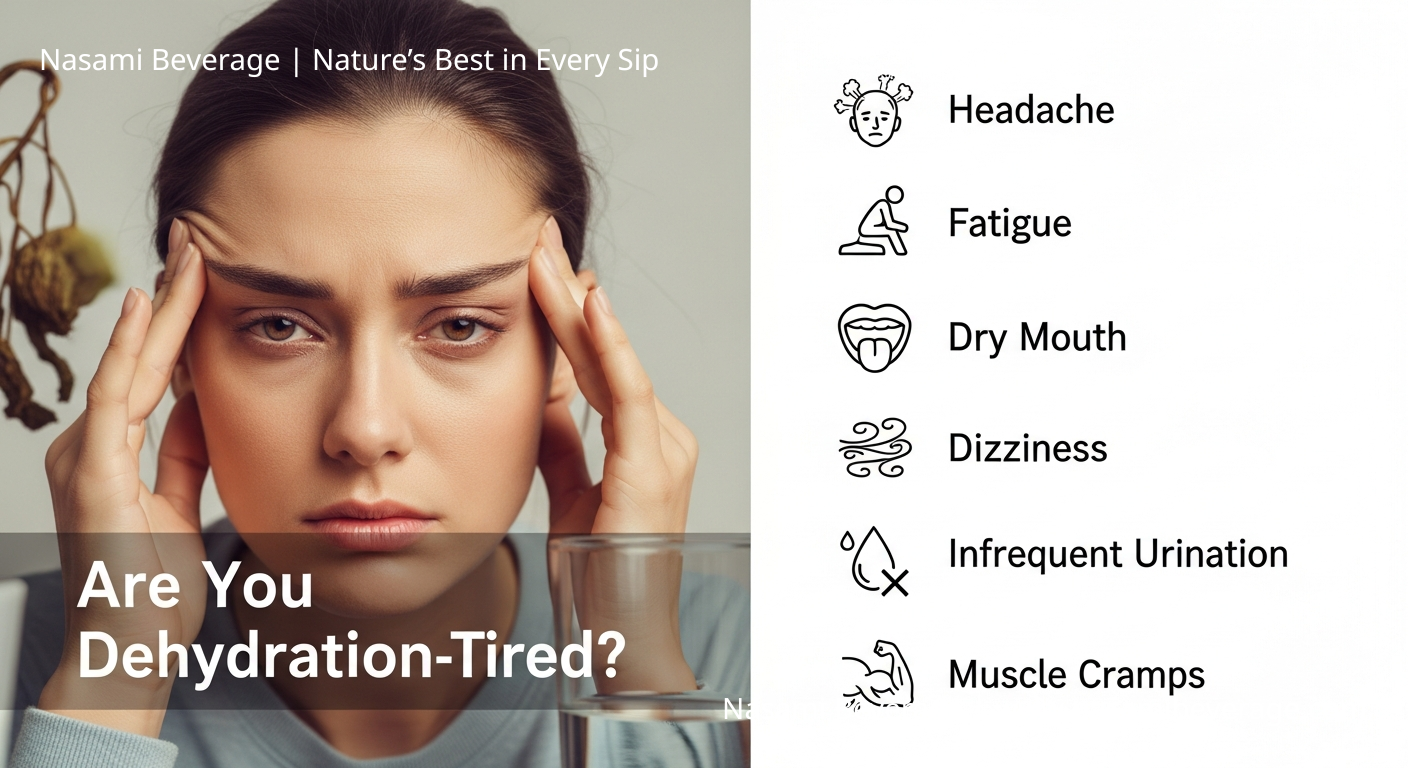
Recognizing fatigue dehydration involves looking beyond just feeling tired. The body sends out a variety of signals when it’s low on fluids. Being aware of the complete picture can help you act quickly to rehydrate and restore your energy.
The most obvious clues are often overlooked, but paying attention to the full list of Signs of Dehydration is crucial.
Key indicators that your fatigue is linked to hydration include:
- Persistent Lethargy: A feeling of deep weariness that isn’t relieved by rest.
- Headaches: Often one of the first signs of dehydration.
- Changes in Urine Color: Dark yellow or amber-colored urine is a clear sign you need to drink more water.
- Dryness: One of the most common symptoms is a feeling of stickiness in your mouth, often described as dry mouth dehydration.
- Dizziness or Lightheadedness: This can occur due to the drop in blood volume and pressure.
- Irritability and Brain Fog: Difficulty focusing or feeling unusually moody can be a sign of fatigue dehydration.
Who is Most at Risk for Dehydration Fatigue?
While anyone can experience fatigue dehydration, certain groups and circumstances increase the risk. Understanding these factors can help you be more proactive about your fluid intake.
- Athletes and Active Individuals: Intense physical activity leads to significant water loss through sweat, rapidly increasing the risk of fatigue dehydration.
- Older Adults: The body’s thirst mechanism can become less acute with age, meaning seniors may not feel thirsty even when their bodies need fluid.
- People in Hot Climates: High temperatures and humidity accelerate fluid loss, making you more susceptible to conditions like heat exhaustion and the associated fatigue.
- Individuals with Chronic Illnesses: Conditions like diabetes or kidney disease can affect fluid balance.
- Those Simply Not Drinking Enough Water: In our busy lives, the most common cause of chronic, low-grade fatigue dehydration is simply forgetting to drink water consistently throughout the day.

The Ultimate Guide to Rehydrating for More Energy
Combating fatigue dehydration is about more than just chugging water when you feel tired; it’s about creating a consistent hydration strategy. Improving your water intake and energy levels is achievable with a few simple adjustments to your daily routine.
- Drink Proactively: Don’t wait for thirst. Sip water steadily throughout the day. Keep a reusable water bottle with you as a constant reminder.
- Replenish Electrolytes: When you sweat heavily, you lose more than just water; you lose essential electrolytes like sodium and potassium. Plain water may not be enough for effective rehydration. Consider beverages that naturally contain these minerals. For instance, coconut water is an excellent natural option for replenishing electrolytes and fighting fatigue dehydration.
- Eat Your Water: Incorporate water-rich foods into your diet, such as cucumber, watermelon, strawberries, and celery. These foods contribute to your overall hydration.
- Consider an Oral Rehydration Solution: For moderate to severe dehydration, especially after illness or intense exercise, a specially formulated oral rehydration solution can help restore fluid balance more quickly than water alone.

When to Consult a Doctor About Fatigue and Dehydration
While most cases of fatigue dehydration can be resolved at home with increased fluid intake, some situations require medical attention. If you or someone else experiences severe electrolyte imbalance symptoms or dehydration, it’s crucial to seek help.
Consult a doctor if you experience:
- Extreme confusion or disorientation.
- Dizziness that prevents you from standing or walking.
- No urination for more than eight hours.
- A rapid heartbeat or rapid breathing.
- Loss of consciousness.
If your feelings of fatigue persist even after you’ve made a concerted effort to improve your hydration, there may be an underlying medical issue, such as adrenal fatigue or another condition, that needs to be addressed.

Conclusion
The message is clear: hydration is inextricably linked to your energy levels. The pervasive feeling of exhaustion that many of us write off as a normal part of a busy life may, in fact, be fatigue dehydration.
By understanding its causes, recognizing its symptoms, and implementing a proactive hydration strategy, you can effectively combat this energy thief and unlock a more vibrant, alert, and productive you.
Don’t let a simple fluid deficit hold you back. Taking control of your hydration is one of the most powerful steps you can take for your overall well-being.
For premium hydration solutions that help you fight fatigue dehydration, explore the range of products from Nasami Beverage.
Follow NasamiBeverage on social media
- Pinterest: pinterest.com/nasamibeveragestz/
- Youtube: @Nasamibeveragecom