Water is the essence of life, making up about 60% of the human body. It’s crucial for nearly every bodily function, from regulating temperature to lubricating joints and transporting nutrients.
Yet, many of us go through our days in a state of mild, chronic dehydration without even realizing it. Your body, however, is an expert communicator.
It sends out clear signals when its fluid levels are low. Recognizing these signs of dehydration is the first and most critical step toward maintaining optimal health and well-being. Ignoring these warnings can lead to decreased energy, impaired cognitive function, and more serious health complications.
This guide will help you understand the subtle and overt signs of dehydration so you can give your body the fluids it needs to thrive.
Disclaimer: This information is for educational purposes only and does not replace professional medical or veterinary advice. Always consult a qualified professional before making decisions related to your health or your pet’s health.
Early & Mild Signs of Dehydration
Before your body enters a state of significant distress, it sends out gentle reminders. These early signs of dehydration are often overlooked but are your best opportunity to course-correct quickly. Paying attention to these initial cues is key to preventing more severe fluid loss.
One of the first and most well-known indicators is thirst. However, by the time you feel thirsty, your body is already dehydrated. Another primary signal is a change in urine color.
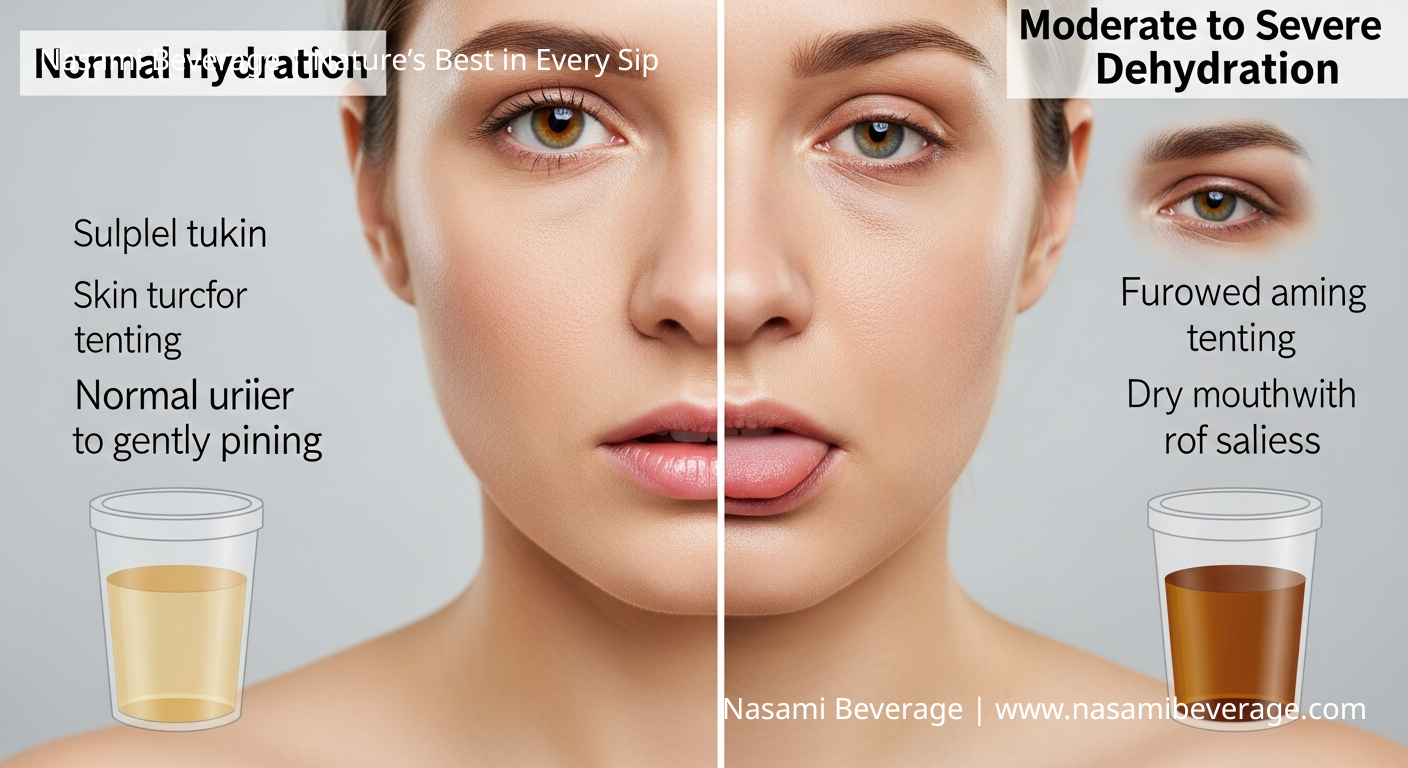
Healthy, hydrated urine should be a pale straw or light yellow color. If you notice your urine is dark yellow or amber, it’s a definitive sign you need to increase your fluid intake.
Other common mild signs of dehydration include:
- Dry mouth and a sticky feeling in the mouth.
- Fatigue or unexplained sleepiness, even after a full night’s rest.
- Infrequent urination (going more than 6-8 hours without needing to).
- A slight headache.

Signs of Moderate to Severe Dehydration
When mild dehydration is ignored, the body’s signals become more urgent and pronounced. These moderate to severe signs of dehydration indicate a more significant fluid loss and require immediate attention to avoid serious health risks. It’s crucial to recognize when these symptoms appear, as they can escalate quickly.
As dehydration worsens, you may experience significant dizziness or lightheadedness, especially when standing up.
Your heart may begin to work harder to pump blood, leading to a rapid heartbeat and palpitations. A key physical test you can perform is checking for skin turgor.
Gently pinch the skin on the back of your hand; if it’s slow to return to its normal position, it’s a classic sign of dehydration.
More severe signs of dehydration that demand urgent medical care include:
- Extreme thirst and a very dry mouth.
- Sunken eyes.
- A drop in blood pressure.
- Confusion, irritability, or delirium.
- Inability to sweat or produce tears.
- Rapid, deep breathing.
These advanced signs of dehydration can impact kidney function and may lead to conditions like heat exhaustion or the life-threatening heat stroke.
Specific Dehydration Signs in Vulnerable Groups
While the general signs of dehydration apply to most people, certain populations are more vulnerable and may exhibit different or more subtle symptoms. Infants, young children, and the elderly are at a higher risk.
For infants and toddlers, look for a sunken fontanelle (the soft spot on their head), fewer wet diapers than usual (less than six in 24 hours), crying without tears, and unusual drowsiness or irritability. In older adults, the sense of thirst diminishes, meaning they may not feel thirsty even when their body desperately needs water.
For them, early signs of dehydration might manifest as sudden confusion, difficulty walking, dizziness, or a dry, papery mouth.

Common Causes of Dehydration
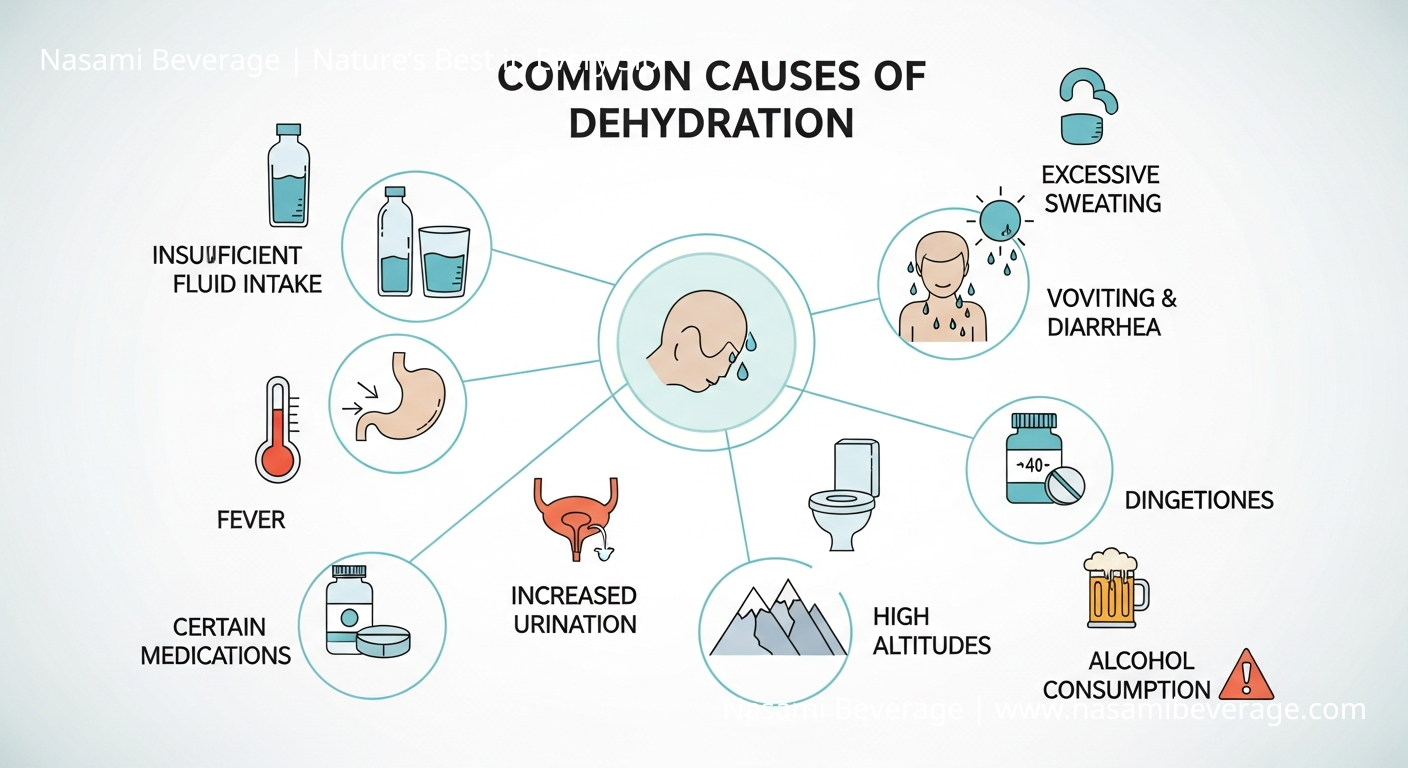
Understanding what causes dehydration is as important as recognizing its symptoms. While the most obvious cause is simply not drinking enough water, several other factors can lead to significant fluid loss.
- Vigorous Exercise: Sweating is your body’s cooling mechanism, but it also expels water and electrolytes. Intense physical activity, especially in hot weather, can quickly lead to dehydration.
- Illness: Sickness involving fever, vomiting, or diarrhea results in substantial fluid loss.
- Hot Climate: Living in or visiting a hot, humid environment increases sweat production, raising the risk of dehydration.
- Increased Urination: Certain conditions like diabetes or the use of diuretics can cause you to urinate more frequently, depleting your body’s fluid reserves.
What to Do: Treating Dehydration Effectively
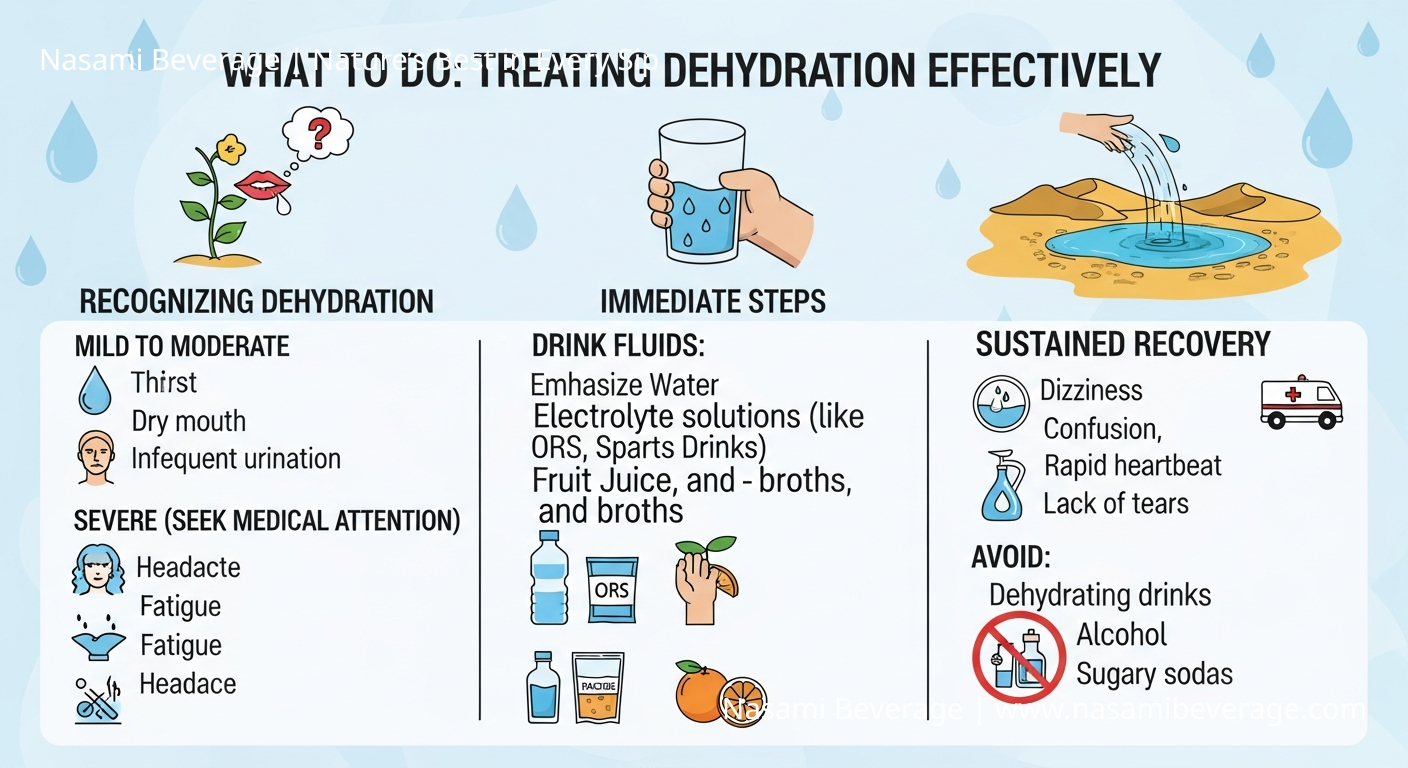
If you spot the early signs of dehydration, the solution is simple: rehydrate. The best course of action is to drink water steadily throughout the day. For more moderate cases, especially those caused by intense sweating or illness, you need to replace not just water but also lost electrolytes like sodium and potassium.
An electrolyte imbalance can be just as problematic as water loss. In these situations, an oral rehydration solution or a sports drink can be more effective than plain water. You can also replenish electrolytes with foods like bananas (for potassium) and salty crackers (for sodium).
If severe signs of dehydration are present, such as confusion or loss of consciousness, seek immediate medical attention, as intravenous fluids may be necessary.
Simple Strategies for Preventing Dehydration
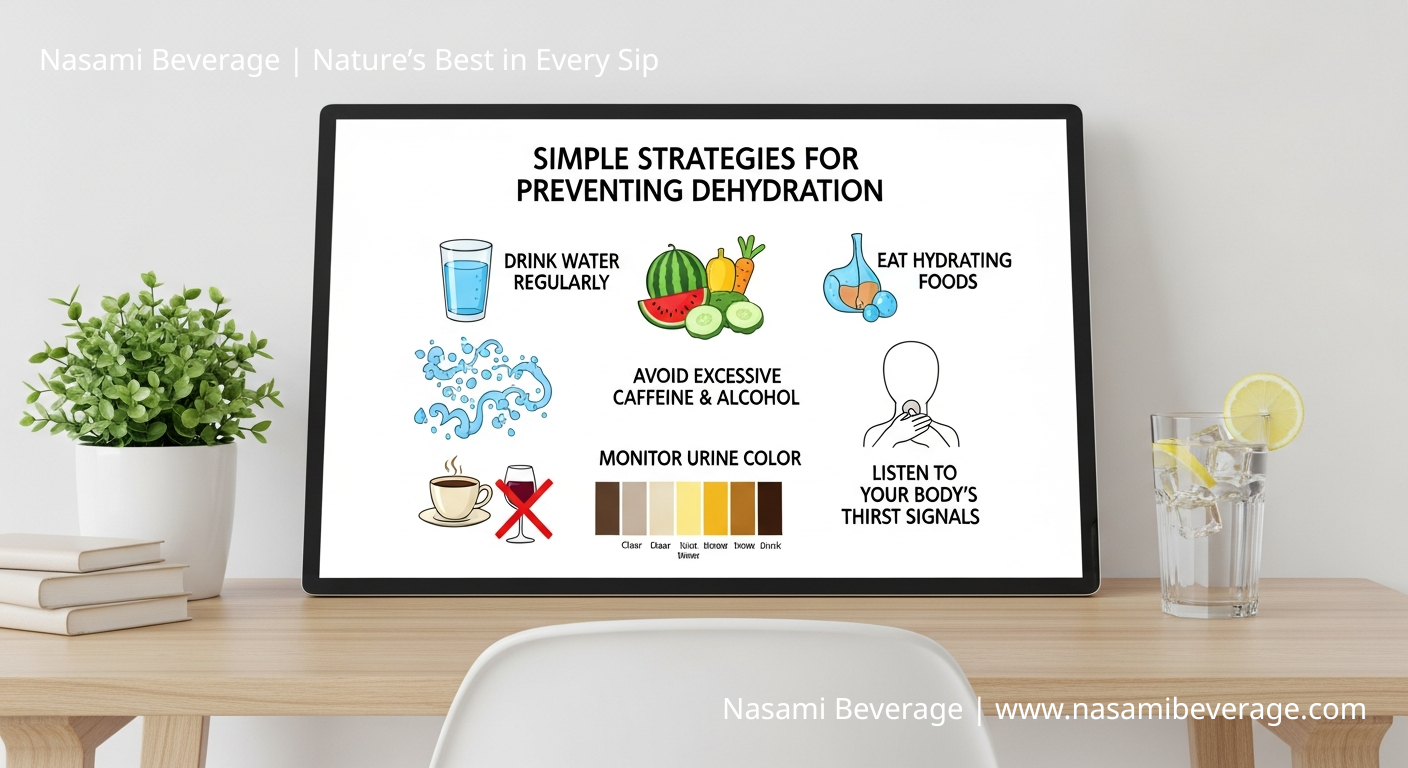
The best way to deal with dehydration is to prevent it from happening in the first place. Proactive hydration is key to maintaining energy levels, cognitive function, and overall health. Here are some simple strategies to stay hydrated and avoid the signs of dehydration:
- Carry a Reusable Water Bottle: Having water readily available serves as a constant visual reminder to drink.
- Eat Your Water: Many fruits and vegetables, like watermelon, cucumbers, and oranges, have high water content and can contribute to your daily fluid intake.
- Set Reminders: Use an app or set alarms on your phone to remind you to drink water at regular intervals.
- Monitor Your Urine: Make it a habit to check your urine color throughout the day as a quick hydration check.
- Understand Your Needs: The common advice of “8 glasses a day” is a good starting point, but learning how much water to drink daily depends on your activity level, climate, and overall health.
Conclusion
Your body is constantly communicating its needs, and learning to interpret the various signs of dehydration is a fundamental skill for self-care.
From a dry mouth and dark urine to more severe symptoms like dizziness and a rapid heartbeat, these signals are your body’s way of asking for help.
By prioritizing consistent hydration and understanding the benefits of being hydrated, you can enhance your physical performance, mental clarity, and long-term health.
By staying informed and choosing quality hydration options, such as those offered by Nasami Beverage, you can support your overall health and ensure your body operates at its best.
Frequently Asked Questions (FAQ)
How long does it take to rehydrate?
The time it takes to rehydrate depends on the severity of the dehydration. For mild cases, drinking water or an electrolyte beverage can restore balance within a few hours.
Moderate to severe dehydration can take longer, from several hours to over a day, and may require medical intervention with IV fluids to correct the electrolyte imbalance safely and efficiently.
Can you be dehydrated without feeling thirsty?
Yes, absolutely. Thirst is often a lagging indicator of your body’s needs. By the time you feel thirsty, you may already be experiencing mild dehydration. This is especially true for older adults, whose thirst mechanism can become less sensitive over time. It’s better to drink proactively throughout the day rather than waiting for thirst to strike.
Are sports drinks better than water for hydration?
For most daily activities and light exercise, water is the perfect choice for hydration. However, sports drinks can be beneficial during prolonged, intense exercise (lasting more than an hour) or in extreme heat.
This is because they help replace the electrolytes, such as sodium and potassium, that are lost through significant sweat and fluid loss, which water alone cannot do.
Follow NasamiBeverage on social media
- Pinterest: pinterest.com/nasamibeveragestz/
- Youtube: @Nasamibeveragecom