Your heart suddenly starts racing. Your hands feel cold. There’s pressure in your chest and a strange buzzing in your head. You pause and wonder: Is this just anxiety… or something worse?
For millions of people-gamers grinding all night, programmers chasing deadlines, long-haul drivers, students during exam season-energy drinks feel like fuel. Fast. Reliable. Necessary.
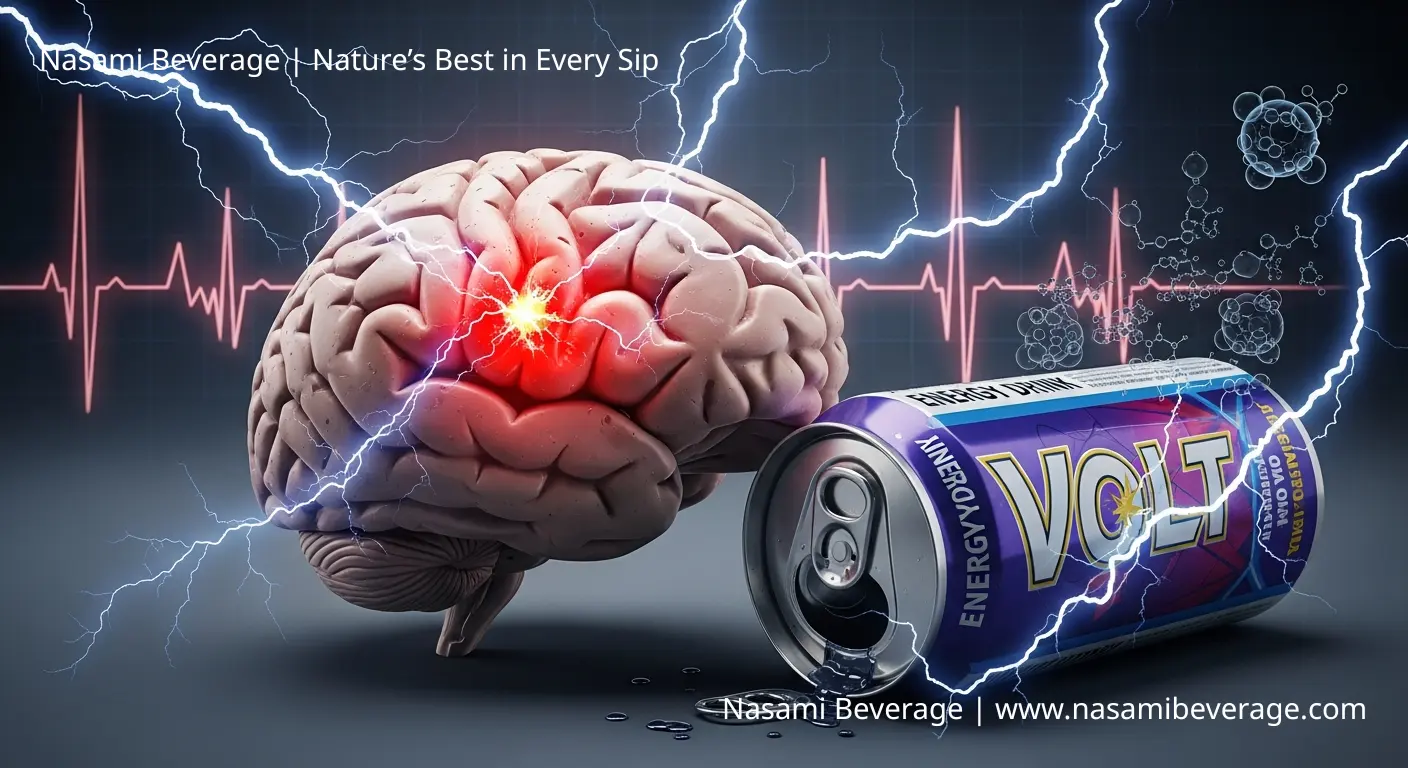
But the growing concern around energy drinks and stroke risk isn’t internet paranoia. It’s a topic backed by medical research, real case studies, and emergency room data.
This article is not here to scare you. It’s here to clarify confusion, address panic moments, and help you regain control over dependency-with facts, not fear.
Disclaimer: This information is for educational purposes only and does not replace professional medical or veterinary advice. Always consult a qualified professional before making decisions related to your health or your pet’s health.
Why Are Energy Drinks Linked to Stroke Risk?
Stroke used to be seen as a “later in life” problem. Not anymore.
Over the last two decades, doctors have reported a sharp rise in stroke in young adults, many under 40, some under 30. A surprising number share similar patterns:
- Heavy energy drink consumption
- Chronic sleep deprivation
- High stress and long screen time
The issue isn’t one occasional can. The problem lies in repeated stimulation of the cardiovascular system, pushing the body beyond what it can safely regulate.
So how exactly does a drink affect your brain and blood vessels?
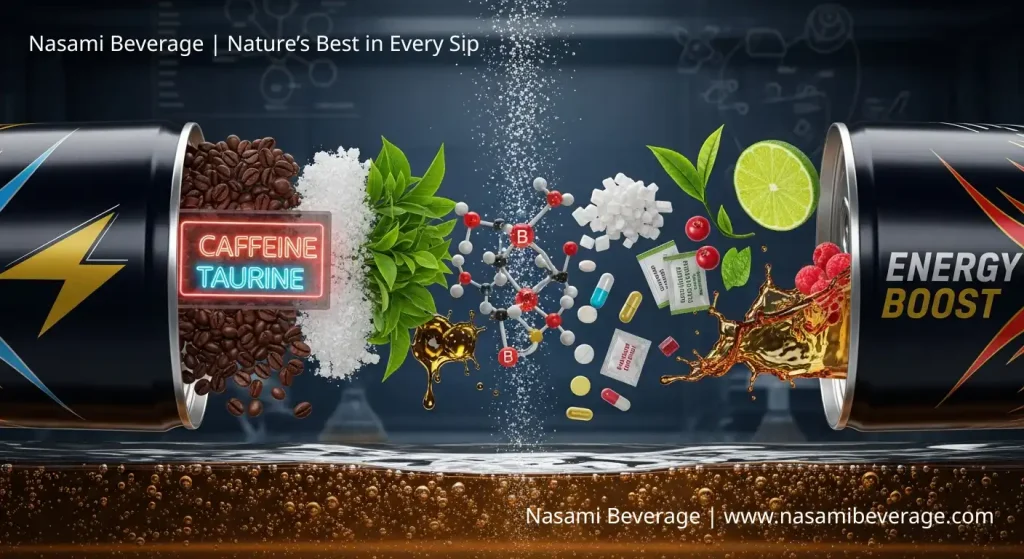
What’s Really Inside Energy Drinks?
Most people think they understand energy drinks. The label looks simple. The reality is more complex.
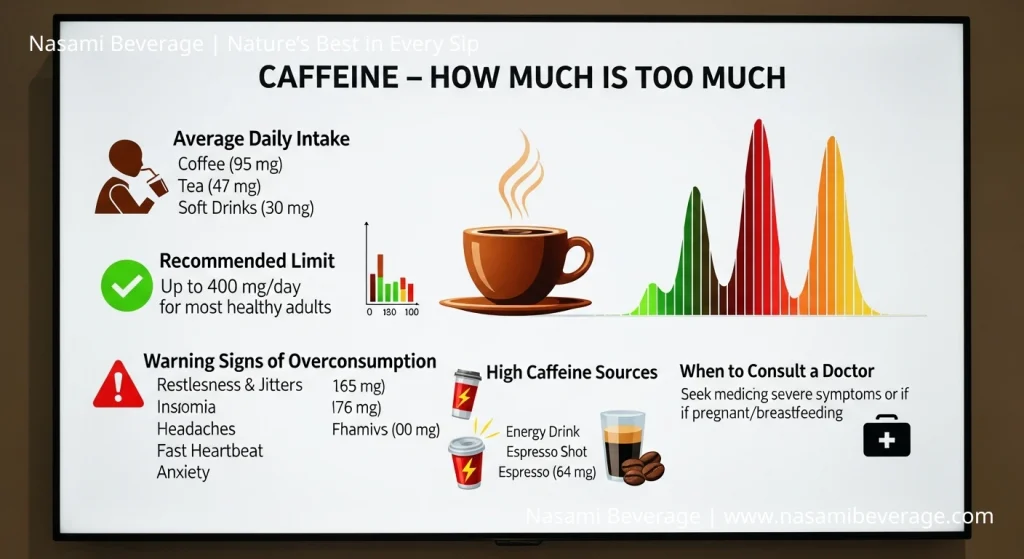
Caffeine – How Much Is Too Much?
Caffeine is the primary stimulant. It sharpens focus, increases alertness, and reduces fatigue. In moderation, it’s generally safe.
The danger appears when:
- You drink multiple cans in a short time
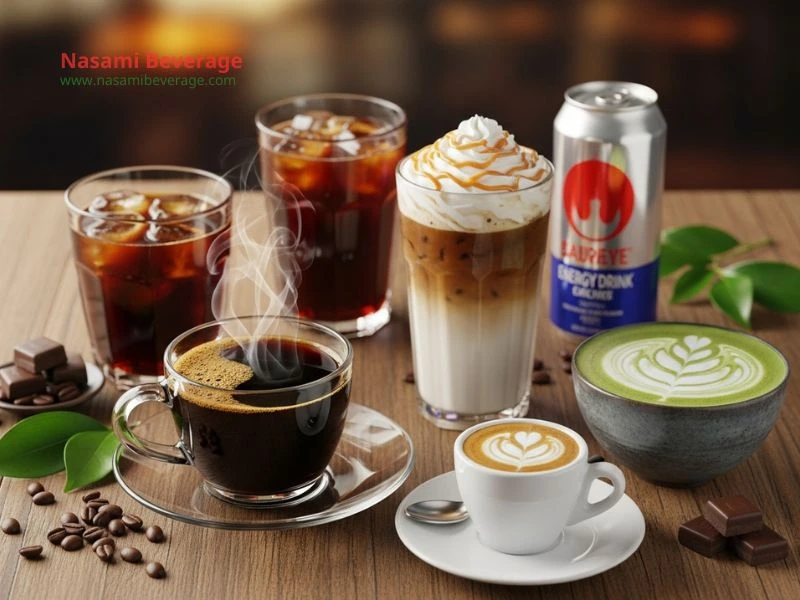
- You combine energy drinks with coffee or pre-workout
- You’re already sleep-deprived
Safe caffeine limit per day:
- ~400 mg for healthy adults (FDA)
Many people unknowingly exceed this.
Caffeine overdose symptoms
- Rapid or irregular heartbeat
- Tremors, anxiety, panic
- Dizziness, nausea
- Chest discomfort
At this stage, people often ask: Is this a panic attack or something else? We’ll come back to that.
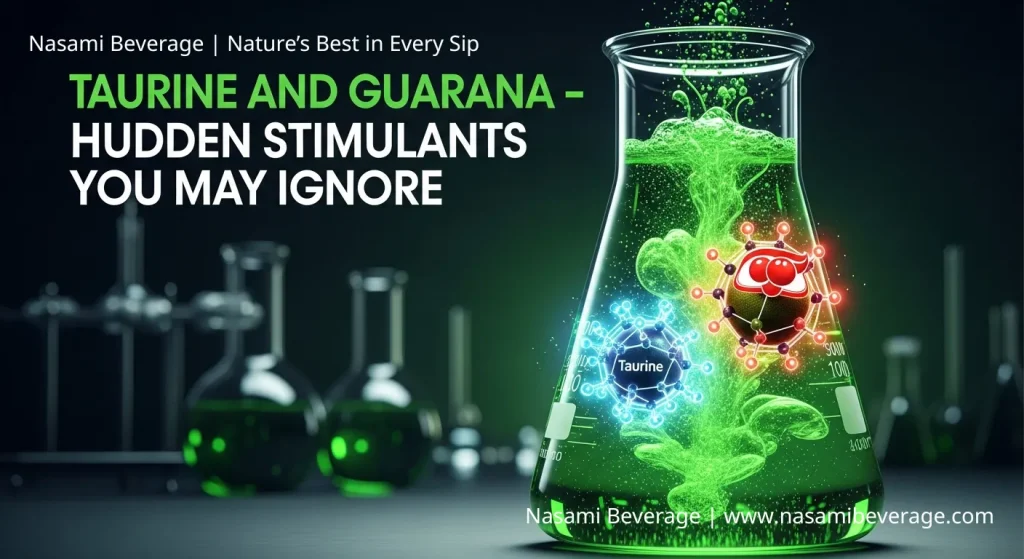
Taurine and Guarana – Hidden Stimulants You May Ignore
Taurine itself isn’t harmful. It naturally exists in the body and supports nerve and muscle function. However, when paired with high caffeine intake, it may intensify stimulation of the heart.
Guarana is more deceptive.
- It’s a natural plant
- It contains caffeine
- Often not fully counted in total caffeine labeling
This means your “80 mg caffeine” drink might actually deliver much more-quietly pushing you past safe limits.
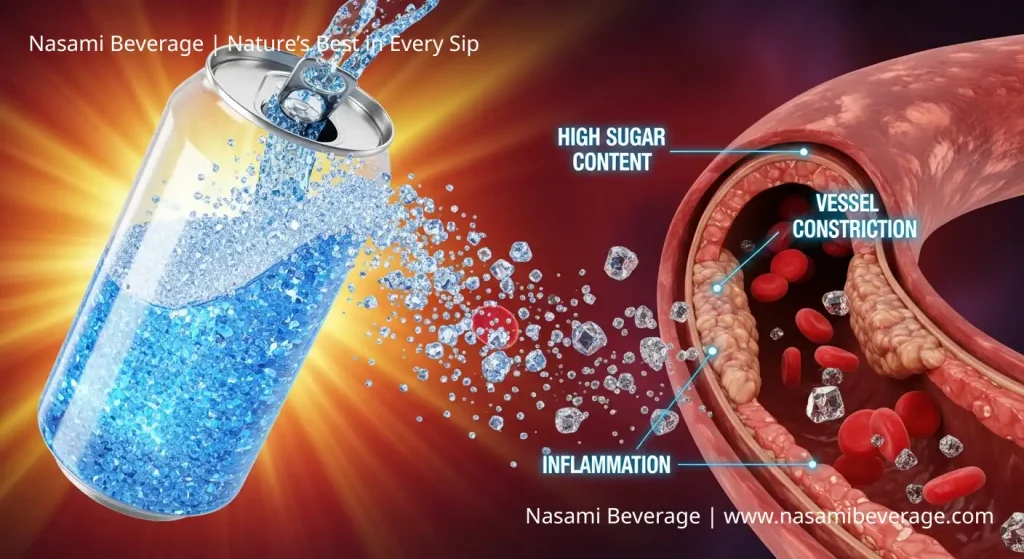
Sugar Content in Energy Drinks and Its Effect on Blood Vessels
Many energy drinks contain 25-35 grams of sugar per can.
Excess sugar:
- Raises blood pressure
- Increases inflammation in blood vessels
- Promotes blood clot formation
Sugar doesn’t just affect weight. It directly impacts vascular health-especially when combined with stimulants.
How Energy Drinks Affect the Cardiovascular System
Your cardiovascular system is designed to respond to stress briefly, then recover. Energy drinks keep it in a constant state of activation.

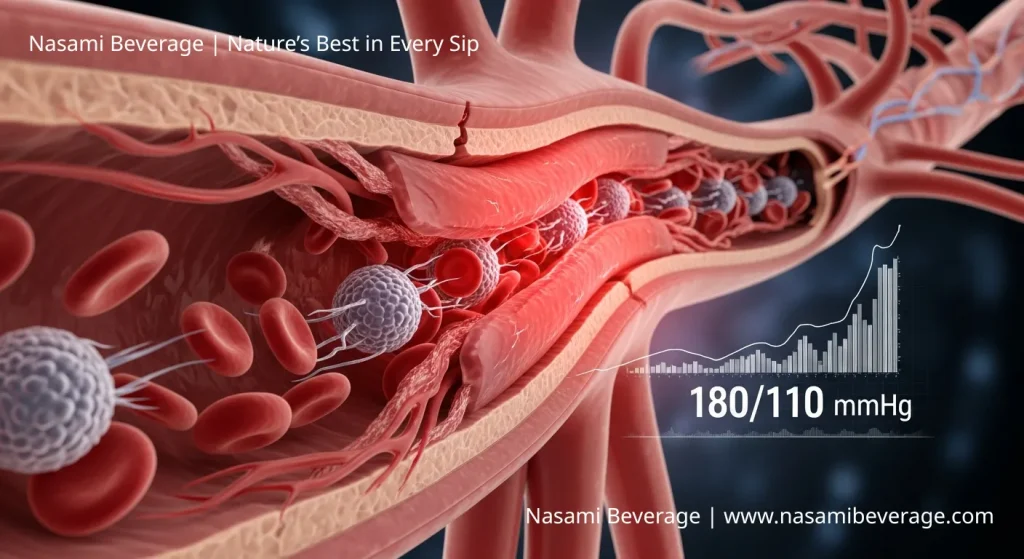
Blood Pressure Spikes and Vasoconstriction
Caffeine causes vasoconstriction-narrowing of blood vessels. This:
- Raises blood pressure
- Reduces blood flow to the brain
Studies show energy drinks can raise systolic blood pressure within 30 minutes of consumption.
This explains why energy drinks high blood pressure is now a common clinical concern.
Heart Rate, Arrhythmia, and Blood Clot Formation
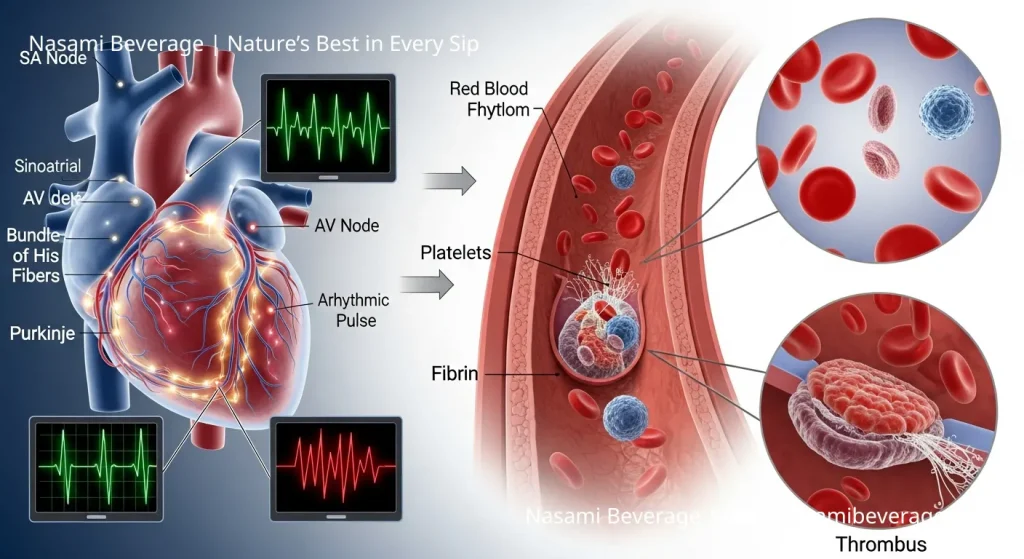
Energy drinks stimulate the heart to beat faster and harder.
Possible effects:
- Increased heart rate
- Arrhythmia from caffeine (irregular heartbeat)
- Poor blood circulation
- Higher risk of clot formation
An irregular heartbeat doesn’t always feel dramatic-but over time, it can become dangerous.
Energy Drinks and Neurological Damage – What Happens to the Brain?
The brain relies on steady, oxygen-rich blood flow. Repeated episodes of:
- Vessel constriction
- Blood pressure spikes
- Irregular circulation
can cause subtle but cumulative neurological damage.
This doesn’t always look like a sudden collapse. It may start as:
- Frequent headaches
- Brain fog
- Sensitivity to light
- Poor concentration without stimulants
Ironically, many people drink more energy drinks to fight these very symptoms.

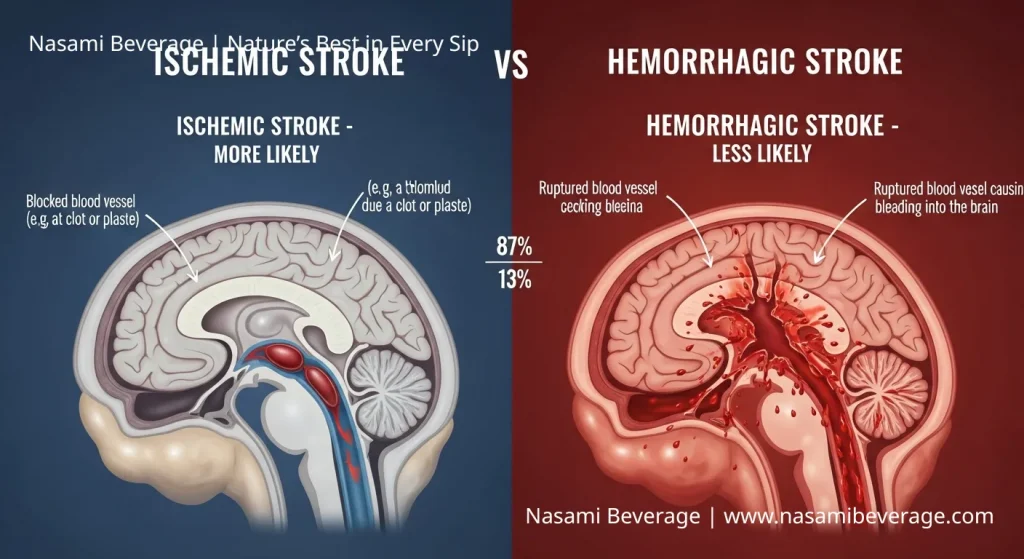
Ischemic Stroke vs Hemorrhagic Stroke – Which One Is More Likely?
| Type | What Happens | Link to Energy Drinks |
|---|---|---|
| Ischemic stroke | Blood vessel blockage | Clots, vasoconstriction |
| Hemorrhagic stroke | Blood vessel rupture | Sudden blood pressure spikes |
How Energy Drinks Increase Ischemic Stroke Risk
- Thickened blood
- Reduced vessel diameter
- Increased clotting potential
When Energy Drinks Trigger Hemorrhagic Stroke
- Sudden hypertension
- Vessel wall stress
- Increased rupture risk
Both types have appeared in documented cases involving heavy stimulant use.
Case Studies and Medical Research You Should Know
This isn’t speculation.
- BMJ Case Reports: Healthy young adults experiencing ischemic stroke after prolonged high energy drink intake
- Journal of the American Heart Association: Measurable cardiovascular changes following consumption
- Neurology journals: Hemorrhagic strokes following acute blood pressure spikes
These case studies consistently show the same pattern: High caffeine + stress + sleep deprivation = elevated risk.
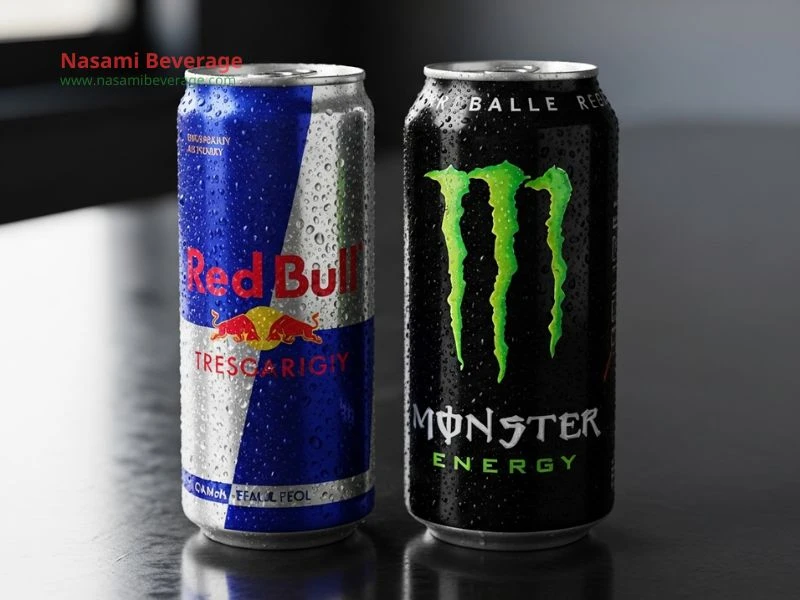
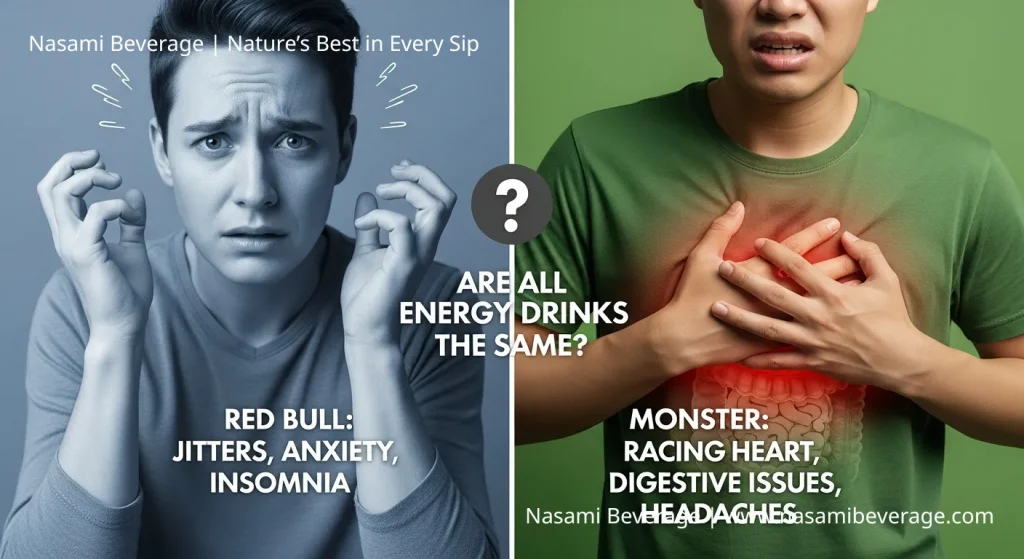
Red Bull / Monster Side Effects – Are All Energy Drinks the Same?
Different brands, similar physiology.
Reported Red Bull/Monster side effects include:
- Palpitations
- Anxiety
- Insomnia
- Elevated blood pressure
The main differences come down to:
- Total caffeine load
- Sugar content in energy drinks
- Frequency of use
The body doesn’t care about branding-it reacts to chemistry.
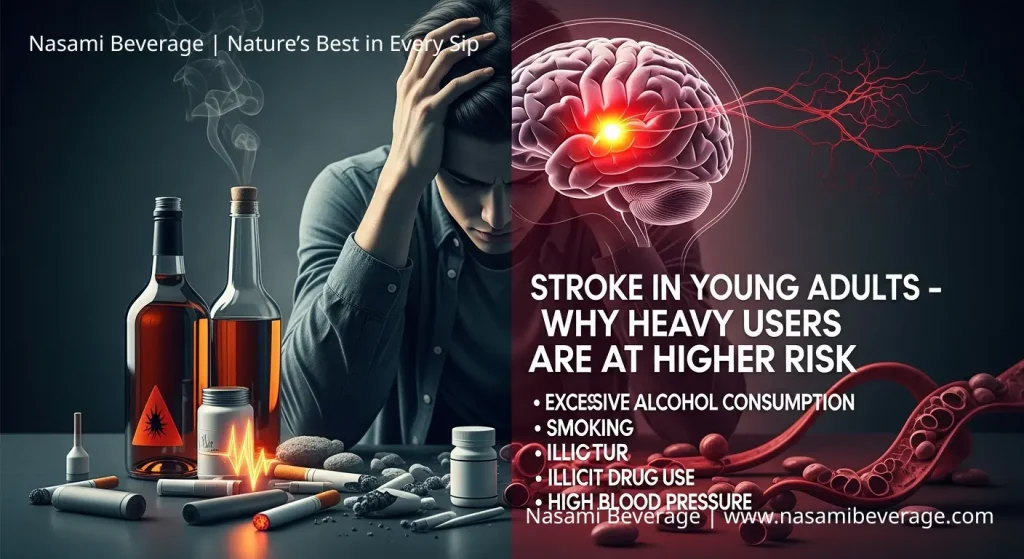
Stroke in Young Adults – Why Heavy Users Are at Higher Risk
Why are gamers, students, drivers, and developers showing up in stroke statistics?
Because they often:
- Use energy drinks daily
- Stack caffeine sources
- Sleep irregularly
- Normalize dependency
What begins as “just to stay awake” slowly becomes “I can’t function without it.”
That’s not weakness. It’s physiology.
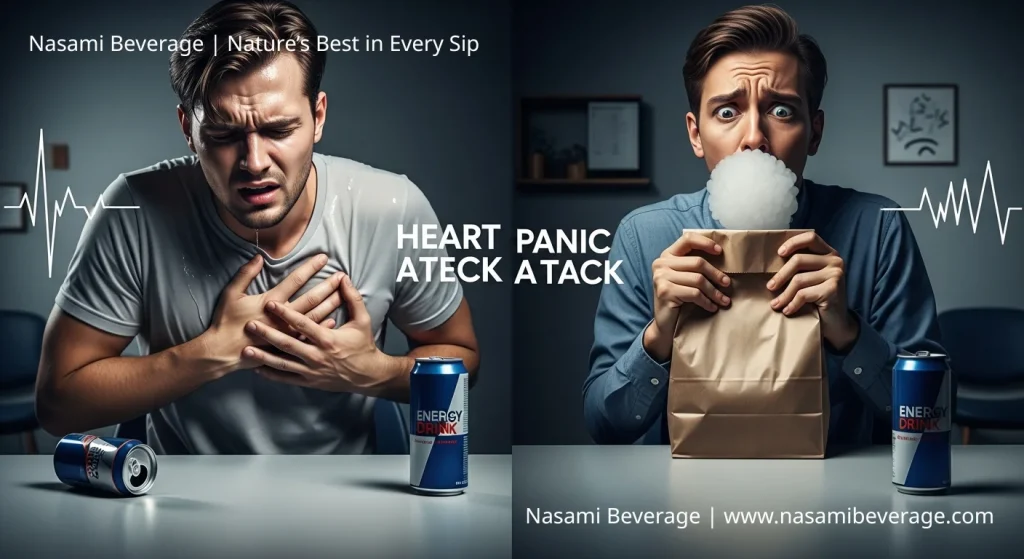
Heart Attack vs Panic Attack After Energy Drinks
This is where confusion becomes dangerous.
Shared symptoms:
- Chest pain
- Rapid heartbeat
- Shortness of breath
- Dizziness
A panic attack resolves. A cardiac event may not.
If symptoms appear after energy drink consumption and don’t fade, medical evaluation is not overreacting-it’s smart.
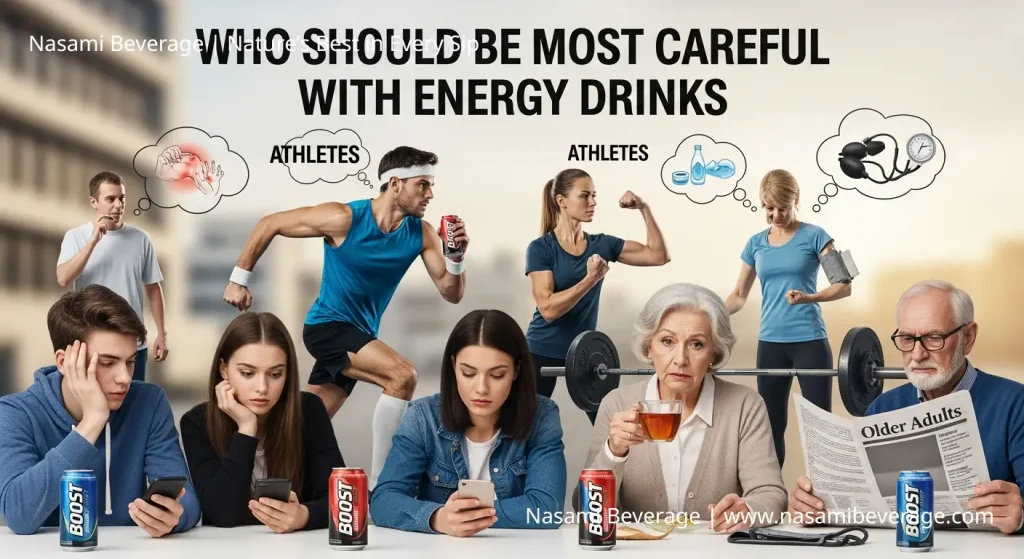
Who Should Be Most Careful with Energy Drinks?
Heavy Users
- Multiple cans per day
- Long sessions without breaks
Concerned Parents
- Teenagers are more sensitive to stimulants
- Developing cardiovascular and nervous systems
Health Switchers
- Office workers with mild hypertension
- People already “borderline” without knowing it
Can You Use Energy Drinks Safely?
Not all energy is bad. The key is control and clarity.
Practical Safety Checklist
- Avoid stacking caffeine sources
- Stay below daily caffeine limits
- Never use energy drinks to replace sleep
- Hydrate properly
- Monitor heart rate and blood pressure
Healthier Alternatives – Smarter Energy
More people are switching to options that focus on:
- Natural ingredients
- No sugar or low sugar
- Gentle stimulation without spikes
These options aim to support focus without overwhelming the cardiovascular system—a smarter long-term strategy.
Final Takeaway – Energy Now or Health Later?
Energy drinks are not evil. But ignoring energy drinks and stroke risk is not informed choice-it’s a gamble.
You don’t have to quit overnight. You don’t have to live exhausted.
Start by:
- Reading labels
- Reducing frequency
- Choosing cleaner energy sources
Your brain and heart are not renewable resources. Protect them with the same seriousness you protect your career, your grades, or your performance.
👉 Action step: If energy drinks are part of your daily routine, take one week to track how much caffeine and sugar you actually consume. Awareness is the first upgrade.
Follow NasamiBeverage on social media
- Pinterest: pinterest.com/nasamibeveragestz/
- Youtube: @Nasamibeveragecom