Coconut water has surged in popularity, moving from a tropical vacation treat to a mainstream wellness beverage. Hailed as nature’s sports drink, it’s celebrated for its hydrating properties and refreshing taste. But what’s really inside that young, green coconut?
Understanding the coconut water nutrition facts is key to unlocking its true potential and determining if it’s the right choice for your health goals. This comprehensive guide will explore the detailed nutritional profile of coconut water, its science-backed health benefits, and how to incorporate it into your diet.
Disclaimer: This information is for educational purposes only and does not replace professional medical or veterinary advice. Always consult a qualified professional before making decisions related to your health or your pet’s health.
What is Coconut Water?
Coconut water is the clear, nutrient-rich liquid found inside a young, green coconut. It should not be confused with coconut milk, which is a creamy, high-fat emulsion made from the grated flesh of a mature coconut. As the coconut matures, this water is gradually absorbed into the flesh.
The most important coconut water nutrition facts reveal that it is naturally low in calories and sugar while being rich in essential electrolytes and minerals.
Macronutrient Breakdown: Calories, Carbs, and Sugar
One of the most appealing coconut water nutrition facts is its low-calorie profile. An average 8-ounce (240ml) serving of 100% pure coconut water typically contains:
- Calories: 45-60
- Carbohydrates: 9-15 grams
- Sugar: 6-12 grams
- Protein: Less than 2 grams
- Fat: 0 grams
The carbohydrates and sugar present are primarily natural sugars like glucose and fructose, which provide a quick source of energy. This makes the coconut water nutrition facts particularly interesting for those seeking a natural, less-processed beverage.

Key Vitamins and Minerals (Potassium, Magnesium, etc.)
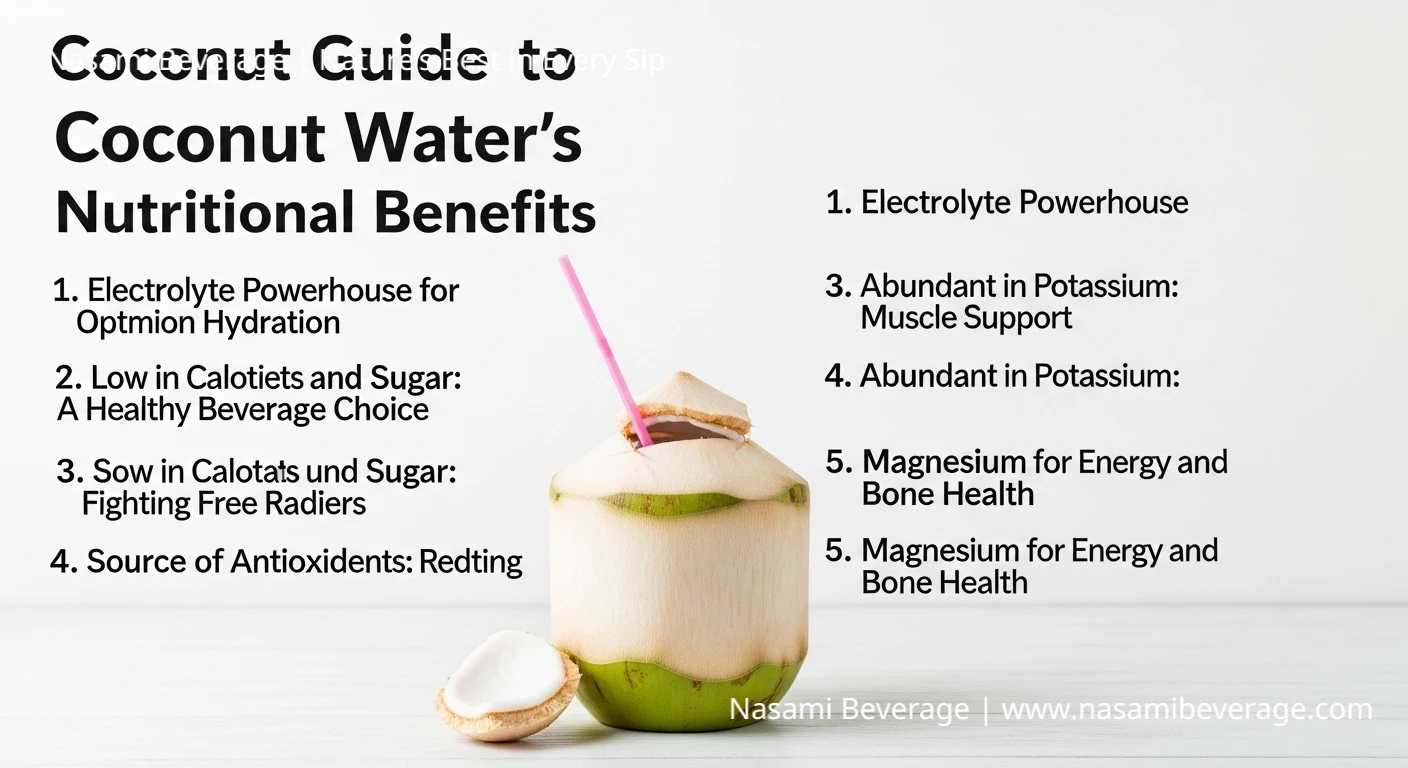
The true power of coconut water lies in its impressive array of vitamins and minerals. The detailed coconut water nutrition facts highlight its status as an electrolyte powerhouse. In one 8-ounce serving, you can typically find:
- Potassium: Around 600 mg, which is about 13% of the Daily Value (DV). This is more potassium than you’ll find in a medium banana.
- Magnesium: Approximately 14% of the DV, crucial for muscle function and energy production.
- Manganese: A significant 15% of the DV, an important mineral for bone health and antioxidant function.
- Sodium: About 10% of the DV, a vital electrolyte for fluid balance.
- Vitamin C: A modest amount, contributing to its antioxidant properties.
These compelling coconut water nutrition facts show it is more than just water; it’s a natural beverage packed with essential nutrients.
The Science of Hydration: Is Coconut Water Effective?
Proper hydration is critical for everything from cognitive function to physical performance. While water is the gold standard, the unique composition of coconut water makes it an excellent option for rehydration, especially after light to moderate exercise. Analyzing the coconut water nutrition facts explains why it’s so effective.
Electrolytes: Nature’s Sports Drink
Electrolytes are minerals that carry an electric charge and are essential for balancing fluids in your body, regulating nerve signals, and ensuring proper muscle contractions. When you sweat, you lose both water and electrolytes like potassium and sodium.
This is where the benefits of coconut water for hydration shine. Its rich content of potassium, magnesium, and sodium helps replenish what is lost during physical activity, making it an excellent natural alternative to commercial sports drinks for post-workout recovery. The coconut water nutrition facts support its role in preventing dehydration.
Comparing Coconut Water to Water and Sports Drinks
When choosing a hydration source, context matters.
- Water: The best choice for general, everyday hydration. It’s calorie-free and all you need for most daily activities.
- Sports Drinks: Formulated for intense, prolonged exercise. They contain higher levels of carbohydrates (sugar) and sodium to rapidly replenish energy stores and electrolytes lost through heavy sweating.
- Coconut Water: It strikes a balance. The coconut water nutrition facts show it has more electrolytes than water but typically contains fewer natural sugars and less sodium than traditional sports drinks. This makes it ideal for rehydrating after a yoga class, a light jog, or a day in the sun.
Key Health Benefits of Drinking Coconut Water
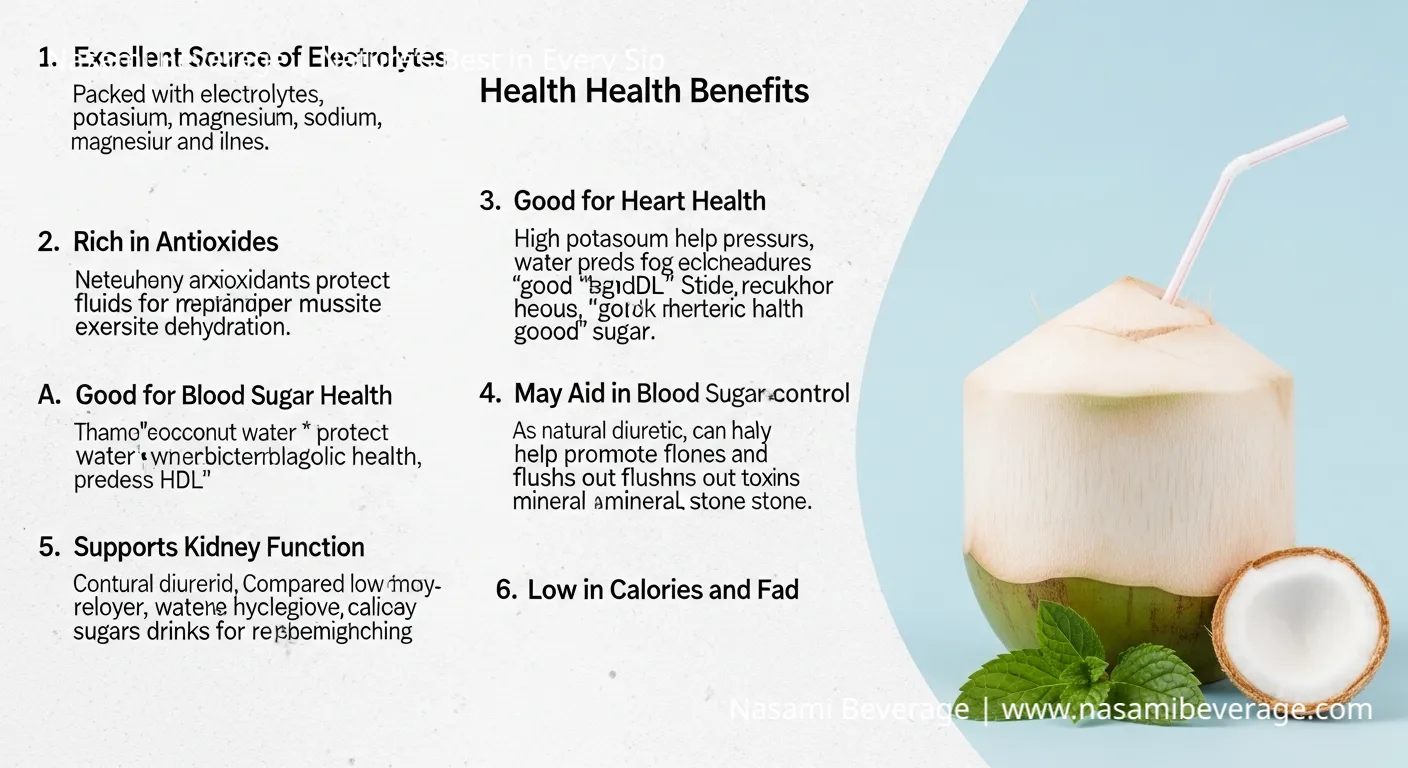
Beyond hydration, the impressive coconut water nutrition facts contribute to a range of potential health benefits. Understanding what are the nutritional benefits of coconut water involves looking at how its components support overall wellness.
Supports Heart Health
The high potassium content in coconut water is a major win for cardiovascular wellness. Potassium plays a crucial role in counteracting the effects of sodium in the body, which can help lower blood pressure. A diet rich in potassium is linked to a reduced risk of stroke and heart disease, making coconut water a heart-healthy choice.
Rich in Antioxidants to Fight Free Radicals
Coconut water contains antioxidants that help neutralize oxidative stress and damage caused by free radicals. These unstable molecules can contribute to inflammation and disease. While more research is needed, the presence of these compounds, including cytokinins, is a promising aspect of the coconut water nutrition facts that supports cellular health.
May Help Lower Blood Sugar Levels
Early studies in animals suggest that coconut water may help lower blood sugar levels and improve other health markers in diabetic subjects. This is partly attributed to its magnesium content, which can improve insulin sensitivity. However, individuals with diabetes should still be mindful of its natural sugar content. These coconut water nutrition facts indicate a potential benefit, but human studies are needed for conclusive evidence.
Is Coconut Water Suitable for All Dietary Needs?
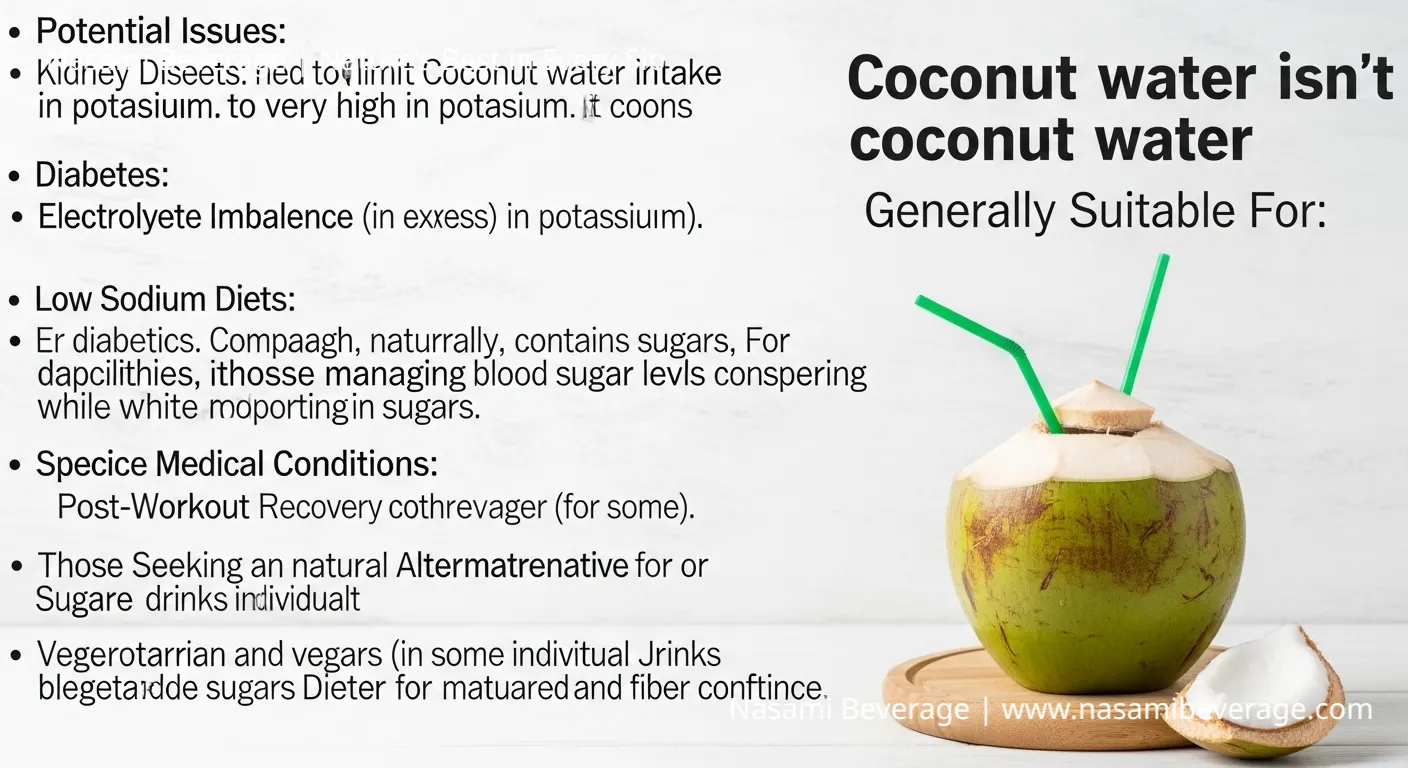
While coconut water is a healthy beverage for most people, it’s important to consider specific dietary requirements. The question of is coconut water suitable for all dietary needs depends on an individual’s health status and goals.
Considerations for Diabetics
For individuals with diabetes, unsweetened coconut water can be enjoyed in moderation. It’s crucial to read labels carefully and choose brands with no added sugars. The natural carbohydrates and sugar will still impact blood glucose levels, so it’s important to account for them in your daily meal plan.
Coconut Water on a Low-Carb or Keto Diet
Because it contains natural sugars and carbohydrates, coconut water is generally not suitable for a strict ketogenic diet. A single serving can contain more than half the daily carb limit for keto followers. Those on a more liberal low-carb diet might be able to fit a small amount in, but it’s important to track the macros.
Potential Allergies and Side Effects
Coconut is a tree nut, so individuals with tree nut allergies should exercise caution and consult with their doctor. Consuming excessive amounts of coconut water could also lead to an imbalance of electrolytes due to its extremely high potassium content, though this is rare for the average person.
How to Choose the Best Coconut Water
To get the most benefit from the coconut water nutrition facts, always choose 100% pure coconut water without added sugars, flavors, or preservatives. The best options are often found in the refrigerated section and will have a short, simple ingredient list-ideally, just “coconut water.”
For a refreshing twist, try mixing coconut water and eemonade for a naturally sweet and tangy drink. If you are feeling more adventurous with your high-quality coconut water, you can even explore recipes like these 4 Tips for Perfect Homemade Nata de Coco.
In conclusion, the coconut water nutrition facts confirm its status as a highly nutritious, hydrating, and beneficial natural beverage. Its rich profile of electrolytes, particularly potassium and magnesium, makes it an excellent choice for rehydration, while its antioxidant properties support overall health.
By choosing pure, unsweetened varieties, you can enjoy this refreshing tropical drink as a delicious part of a balanced diet.